Find a Bipolar Therapist in Illinois
This page connects you with therapists who focus on bipolar concerns across Illinois, including clinicians offering online and in-person care. Use the listings below to compare specialties, approaches, and availability to find a good match. Browse profiles and reach out to clinicians whose experience fits your needs.

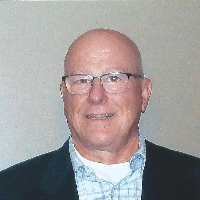
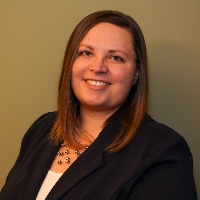



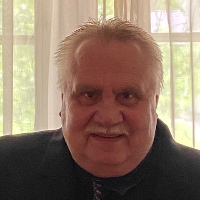






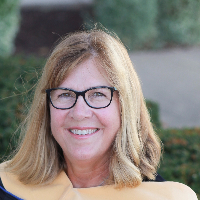
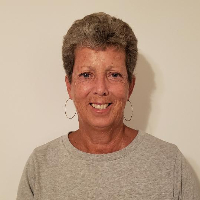
Angela Veach
LCPC
Illinois - 25 yrs exp








How bipolar therapy typically works for Illinois residents
If you are exploring therapy related to bipolar mood patterns, understanding how the process usually unfolds can help you make informed choices. Therapy often begins with an initial assessment where a clinician asks about your mood history, daily routines, relationships, sleep, and any treatment you have had before. That assessment is used to shape a personalized plan that may include regular psychotherapy sessions, coordination with medical providers for medication management, and practical strategies to support daily functioning. In Illinois, clinicians practice in a range of settings - from private practices and community clinics to university centers - so you can find options that match your schedule and financial needs.
Types of therapy you may encounter
Many therapists working with bipolar-related concerns use evidence-informed approaches that target mood regulation, daily rhythms, and coping skills. Cognitive behavioral approaches help you identify thought patterns and behaviors that affect mood. Interpersonal and social rhythm interventions focus on stabilizing daily routines and sleep-wake cycles. Psychodynamic or relational approaches may explore long-standing patterns in relationships and self-understanding. Psychoeducation is commonly provided so you and those close to you can better understand mood changes and plan for them. A clinician will typically explain why a particular approach is recommended and how it fits your goals.
Coordinating with medication and medical care
Many people find the best outcomes when therapy is coordinated with medical oversight for medications. Psychiatrists and primary care clinicians in Illinois can assess and manage medication when needed, while therapists help with behavioral strategies and monitoring. If you already see a prescriber, your therapist can work collaboratively, with your permission, to share observations and support consistent care. If you do not yet have a prescriber, your therapist can often suggest local referral options or explain how to access psychiatric services in your area.
Finding specialized help for bipolar concerns in Illinois
Searching for a clinician who lists bipolar or mood disorders as a specialty is a practical first step. You can look for clinicians who mention experience with mood stabilization, recurrent mood episodes, or therapies known to support bipolar mood patterns. In larger urban centers like Chicago you will often find a wider range of specialists, including clinicians who focus on adolescent, adult, or older adult presentations. Cities such as Aurora and Naperville also have experienced providers and community resources, while more rural parts of the state may require you to consider telehealth options to access a wider pool of clinicians. When reviewing profiles, pay attention to training, years of experience, and whether the clinician describes work with bipolar-related concerns rather than only general mood or depression experience.
Another useful approach is to ask about experience with co-occurring issues. It is common for mood-related conditions to be accompanied by anxiety, substance use, or sleep difficulties, and a clinician who recognizes and can address these intersecting concerns may offer more integrated care. If you have cultural, linguistic, or accessibility needs, check for therapists who highlight those areas so your care aligns with your preferences.
What to expect from online therapy for bipolar care
Online therapy has become a key option for many people across Illinois, providing access when local in-person appointments are limited or when travel is difficult. Through video sessions, you can meet with a clinician in real time in a comfortable setting, whether you live in a busy neighborhood in Chicago or a suburban area like Naperville. Online sessions make it easier to maintain consistent appointments during life transitions, seasonal changes, or when scheduling conflicts arise. Many clinicians also offer phone sessions or text-based messaging for brief check-ins between appointments.
There are some important differences to consider. Medication initiation and changes often still require consultation with a prescriber, which may be in-person or via telepsychiatry. Your therapist should discuss how they handle crisis planning and what steps to take if you experience a severe mood shift or safety concerns. Before your first online session, check that your internet connection and device camera provide clear audio and video so you can get the most from the interaction. You may also want to choose a quiet, comfortable environment where you can speak freely and focus on the work.
Signs you might benefit from bipolar-focused therapy
If you notice significant shifts in mood that affect your work, relationships, or daily routines, that is a valid reason to consider seeking a clinician who understands bipolar-related patterns. You might be experiencing periods of unusually elevated mood, increased energy, decreased need for sleep, or impulsive behavior that feels out of character. Alternating periods of low mood, low energy, loss of interest in activities, or difficulty concentrating can also indicate that targeted support would be helpful. Changes in sleep patterns, repeated cycles of mood fluctuation, or difficulty maintaining stable routines are other common reasons people pursue specialized care. You do not need to have a formal diagnosis to reach out - many clinicians will work with you to clarify what is happening and what steps may help.
Practical tips for choosing the right bipolar therapist in Illinois
When you begin your search, think about what matters most to you in a therapeutic relationship. Some people prefer a clinician who takes a direct, skill-based approach, while others want a more exploratory, insight-focused style. Ask prospective therapists about their experience with bipolar-related care, the techniques they use, and how they collaborate with prescribers or other providers. It is reasonable to inquire about session length, frequency, cancellation policies, and what a typical treatment timeline might look like. If cost is a concern, ask about insurance acceptance, sliding scale options, or community mental health resources in your area.
Logistics are also important. If you live in a busy area such as Chicago, you may have more choices and shorter wait times, while towns like Aurora and Naperville may offer strong local options with a different pace of availability. For those outside major cities, online therapy can expand your choices. Consider scheduling a brief phone or video consultation to get a sense of rapport. Trust your instincts about whether a clinician listens, explains things clearly, and supports your goals. It is okay to try a few sessions with a therapist and change course if the fit is not right.
Next steps and local considerations
Once you identify a few clinicians who match your needs, reach out to ask practical questions and arrange an intake visit. Prepare to share a brief history of your mood patterns and any treatments you've tried so the clinician can make the best recommendations. If you have urgent safety concerns at any point, seek immediate help from local emergency services or crisis resources in your community. For ongoing care, building a team that may include a therapist, prescriber, and supportive family or peers can make it easier to maintain stability over time.
Finding the right bipolar-focused clinician in Illinois is a process, but one that many people find worthwhile for improving day-to-day functioning and overall quality of life. Whether you prefer in-person sessions near home, or online appointments that fit a busy schedule, there are qualified professionals across the state who can help you explore options and plan next steps. Use the listings above to review credentials, approaches, and availability, and reach out when you are ready to take the next step toward consistent support.