Find a Body Image Therapist in Illinois
This page lists therapists in Illinois who specialize in body image concerns, including options for in-person care across major cities and telehealth. Browse the listings below to compare profiles, specialties, and clinical approaches.

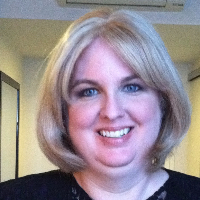
Angela Veach
LCPC
Illinois - 25 yrs exp





















How body image therapy works for Illinois residents
When you seek help for body image concerns in Illinois, therapy typically begins with an assessment that explores the thoughts, feelings, and behaviors you experience related to your body. That initial conversation helps you and a clinician identify patterns - such as negative self-talk, avoidance behaviors, or compulsive checking - and clarify short-term goals and longer term growth. Therapy tends to be collaborative. Your clinician will use evidence-informed techniques that fit your needs and preferences, and you will work together to practice new ways of relating to your body both in and out of sessions.
In Illinois, clinicians hold a range of credentials and training backgrounds. You may work with a licensed counselor, social worker, psychologist, or marriage and family therapist who focuses on body image as part of their practice. Because the approach is often personalized, some clients see faster progress with a therapist who has specific experience in body image work or related areas such as eating disorders, trauma, or self-esteem concerns. Throughout the process the focus is on changes you can apply in daily life, from shifting unhelpful thinking to building body-aware coping strategies.
Finding specialized help for body image in Illinois
Searching for a clinician who understands body image nuances is an important step. You can begin by narrowing results to those who list body image, eating disorder recovery, or body acceptance as specialties. Look for clinicians who describe their training and specific methods, and notice whether they mention working with your age group, cultural background, or identity. In Illinois, large metropolitan areas like Chicago offer a broad range of specialists, while communities near Aurora, Naperville, Springfield, and Rockford may provide therapists who combine general mental health expertise with focused body image work.
If you live outside a major city, consider whether you need regular in-person visits or whether telehealth appointments would meet your needs. Many Illinois therapists provide hybrid models - meeting in person for some sessions and online for others - which can make it easier to maintain progress without frequent travel. Insurance coverage, out-of-pocket rates, and sliding scale options vary by clinician, so checking these details before scheduling a first session can save time and reduce friction.
What to expect from online therapy for body image
Online therapy can be a practical option for body image work, especially if local options are limited or if you prefer the convenience of remote sessions. In a video session you can explore body-related thoughts and emotions, learn cognitive techniques to challenge self-critical beliefs, and practice behavioral experiments with your therapist's guidance. Some people find it easier to open up about body concerns from a familiar home setting, while others prefer the structure of an office environment. Either approach can be effective if you and your therapist establish clear goals and a consistent plan.
When choosing online care in Illinois, confirm that your therapist is licensed to practice in the state. Licensing ensures that the clinician meets Illinois requirements for training, supervision, and ethical practice. You should also ask about session length, platform logistics, and how to handle missed appointments or technical issues. A thoughtful clinician will explain how telehealth sessions are conducted and what to expect if you decide to transition to in-person work later on.
Common signs that someone in Illinois might benefit from body image therapy
You might consider body image therapy if preoccupations about weight, shape, or appearance interfere with your daily life, relationships, or emotional wellbeing. Maybe you avoid social situations because of how you think you will look, or you spend a lot of energy comparing yourself to others. You may notice patterns of harsh self-criticism, ritualized checking of the mirror, or an ongoing cycle of restrictive eating followed by intense shame. These experiences are common reasons people seek specialized support.
Other signs include feeling trapped by diets or exercise routines, experiencing distress after seeing images in the media, or feeling disconnected from the sensory experience of your body. Life transitions - such as pregnancy, recovery from illness, or aging - can also trigger body image concerns that feel unfamiliar or overwhelming. If these experiences are causing you distress or limiting your choices, therapy can offer tools to shift your relationship with your body and build a more sustainable sense of self-acceptance.
Tips for choosing the right therapist for this specialty in Illinois
Begin by clarifying what you want from therapy. Are you looking for short-term skills to manage distressing thoughts, or do you want a deeper exploration of how body image connects to identity and life history? Once you know your priorities, look for therapists who describe relevant training and experience. Pay attention to whether a clinician highlights evidence-informed methods such as cognitive behavioral approaches, acceptance-based strategies, or trauma-informed care. While modality names can be helpful, you should also gauge how the therapist talks about the client-therapist relationship and whether they emphasize collaboration.
It is also helpful to consider fit factors beyond technique. Think about demographics and cultural competence - you may prefer a clinician who has experience working with people of similar cultural backgrounds, gender identities, or age groups. Some clinicians note a size-affirming stance or a focus on reducing weight stigma, which can matter a great deal if you have had negative experiences with health care professionals in the past. Practical considerations matter too - check availability, location, fee structure, and whether the clinician accepts your form of insurance if that is relevant.
Before committing to multiple sessions, schedule an initial consultation. A brief call or intake meeting can give you a sense of the therapist's communication style, how they conceptualize body image issues, and whether you feel heard. It is normal to try a few clinicians before you find the right fit. Trusting your instincts about rapport and feeling respected in sessions is a key part of a successful therapeutic relationship.
Working with a therapist in Chicago, Aurora, Naperville and beyond
In Chicago you will find a wide range of specialized clinicians, including those who work with diverse communities, offer specialized group programs, or partner with medical teams when needed. If you are in suburban areas like Aurora or Naperville, many clinicians provide both in-person appointments and telehealth to increase access. Smaller cities and towns such as Springfield and Rockford also have practitioners who focus on body image, though the local options may be more limited. In those cases, online therapy expands your choices and connects you with clinicians who bring the right expertise to your situation.
Ultimately, progress in body image work develops over time and often includes small, measurable shifts in the way you think and act. You do not need to wait until a problem becomes severe to reach out. Early steps can create momentum and reduce the emotional load you may be carrying. When you are ready, use the listings on this page to compare clinicians, read profiles, and schedule an initial conversation. Taking that first step is a practical move toward building a healthier relationship with your body and with yourself.
Next steps
Review therapist profiles to find clinicians who list body image as a focus and who meet your practical needs. Prepare a few questions for an initial call - about approach, session frequency, and how progress is measured - so you can make an informed choice. If you start with a few sessions and decide to adjust your plan, a thoughtful clinician will support that process and help you set goals that feel realistic and meaningful.