Find a Cancer Therapist in Illinois
This page connects you with therapists who focus on the emotional and practical challenges that come with a cancer diagnosis in Illinois. Browse listings below to compare specialties, approaches, and availability so you can reach out to a therapist who fits your needs.


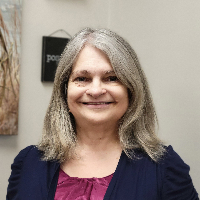
Angela Veach
LCPC
Illinois - 25 yrs exp

















How cancer therapy works for Illinois residents
When you seek therapy related to cancer, whether you are newly diagnosed, in treatment, in remission, or supporting a loved one, the process usually begins with an initial intake session. In that meeting you and the clinician will discuss what brought you to therapy, your current stressors, medical context if you wish to share it, and your goals for treatment. Therapists who work with people affected by cancer often blend evidence-informed approaches with supportive counseling to help you manage anxiety, depression, adjustment issues, grief, and the many practical concerns that arise during and after treatment. Across Illinois, therapists may coordinate with your medical team when you want integrated care, or they may focus solely on emotional and coping strategies depending on your preference.
Finding specialized help for cancer in Illinois
To find a therapist with experience in cancer care, look beyond general counseling labels and search for clinicians who list oncology, chronic illness, palliative care, caregiver support, or grief among their specialties. Many therapists in metropolitan areas such as Chicago have worked with hospital-based oncology programs or community cancer centers, while clinicians in Aurora and Naperville may offer strong outpatient support that is convenient for suburban schedules. You can also learn about a therapist's background by reviewing their professional profile for advanced training, supervised experience with medical populations, or additional credentials related to oncology psychosocial care. Referrals from your oncology social worker, nurse navigator, or local cancer support organizations can help you identify clinicians who are familiar with the local healthcare landscape in Illinois.
What to expect from online therapy for cancer
Online therapy adds options for Illinois residents who need flexibility around appointments, treatment schedules, or mobility challenges. If you choose teletherapy, you can expect sessions to take place via video or phone, with many clinicians offering the same session length and frequency as in-person care. Online work often emphasizes coping skills you can use between sessions, such as stress management techniques, cognitive strategies for managing intrusive health worries, and techniques to support sleep and fatigue. It can be especially helpful when you are undergoing treatment and travel to in-person appointments is difficult, or when you live outside a major center and want access to clinicians who specialize in cancer-related concerns. Be aware that teletherapy requires the therapist to be licensed to provide services to clients in Illinois, so confirm licensure and any state-specific practice details before beginning.
Common signs that someone might benefit from cancer therapy
You might consider reaching out for therapy if you notice persistent changes in mood that interfere with your daily life, such as prolonged sadness, unmanageable worry, or loss of interest in activities you used to enjoy. Difficulty sleeping, repeated panic or intrusive health fears, a sense of numbness or detachment, and increased conflict with family or caregivers are also signals that therapeutic support can help. Caregivers often experience chronic stress, exhaustion, and resentment that they may not recognize as reasons to seek help; counseling can offer coping tools and a place to process complicated emotions. People facing end-of-life issues or complex medical decision-making may find meaning-focused approaches and bereavement counseling useful for processing fears and values. In short, if emotional reactions to cancer are making it hard to function, connect, or find relief, therapy can be a practical step toward regaining a sense of control and resilience.
Tips for choosing the right therapist for cancer-related concerns in Illinois
Start by clarifying what you want from therapy - symptom relief, coping strategies during treatment, support for caregivers, meaning-making, or help navigating end-of-life conversations. Use that clarity to narrow searches and to prepare questions for a brief phone or video consultation. Ask about a clinician's experience with cancer-related issues, the therapeutic approaches they use, and whether they collaborate with medical teams when you want integrated care. In cities like Chicago you may find therapists with subspecialty training in oncology psychosocial care, while in suburbs such as Aurora and Naperville clinicians may offer flexible evening hours or hybrid in-person and online models that fit treatment schedules. Consider practical matters as well - appointment times, fees, insurance participation, and whether the therapist offers sliding scale options if affordability is a concern.
Assessing fit and approach
The relationship with your therapist is a key factor in outcomes, so look for someone who listens, validates your experience, and explains their approach in a way that resonates with you. Some therapists emphasize cognitive behavioral techniques aimed at managing distressing thoughts, while others focus on acceptance and meaning-oriented work to help you live with uncertainty. You might prefer a therapist who includes mindfulness practices to address stress and sleep, or someone who integrates family sessions to support caregivers and communication. If cultural responsiveness matters to you, ask about the clinician's experience working with people from your background or about their language capabilities.
Practical considerations specific to Illinois
Illinois residents have options that vary by geography. If you live in or near Chicago, you may have access to clinicians who participate in hospital-based psychosocial programs or who conduct training with oncology teams. In suburban and downstate areas you may find therapists who focus on long-term coping and community-based resources. Transportation, parking, and clinic hours can influence whether in-person visits are feasible during active treatment, which makes online options attractive for many people. Check whether your insurance plan covers mental health services in Illinois and whether the therapist is in-network to reduce out-of-pocket costs. If coordination with your healthcare providers is important, ask how the therapist handles communication with doctors or social workers, and whether they are comfortable receiving medical updates with your permission.
Getting started: practical next steps
Begin with a brief inquiry or intake call to learn how a therapist approaches cancer-related concerns. Use that call to confirm logistics, ask about experience, and assess whether you feel heard. If you try a few sessions and it does not feel like the right fit, it is reasonable to switch clinicians until you find someone you trust. Therapy is a collaborative process, so at the outset you and your therapist should set goals and agree on how progress will be measured. Over time you may shift from more frequent sessions during acute phases to occasional check-ins as coping skills strengthen. Remember that seeking help is a practical step you can take to improve day-to-day functioning and to make difficult conversations and decisions feel more manageable.
Local resources and community supports
Beyond individual therapy, there are community supports in many Illinois communities that complement clinical work. Peer support groups, caregiver programs, and community-based workshops can provide connection and shared learning. In larger urban centers you may find specialized programs that partner with medical centers to offer psychosocial services and referrals. If you are balancing work, family, and treatment, community resources can augment one-on-one therapy by offering practical assistance and social connection. When you combine clinical support with community resources, you create a network that addresses both emotional needs and everyday challenges.
Final note
Finding the right therapist in Illinois is a personal process that benefits from clear goals, thoughtful questions, and a willingness to try a few clinicians until you find a good fit. Whether you live in Chicago, Aurora, Naperville, or elsewhere in the state, there are therapists who specialize in cancer-related emotional and practical care and who can work with you in-person or online to support coping, communication, and wellbeing. Taking the first step to reach out can help you feel less alone in facing the complex emotions and decisions that come with cancer.