Find a Communication Problems Therapist in Illinois
This page highlights therapists in Illinois who specialize in communication problems, offering detailed profiles and service information. Browse the listings below to compare specialties, approaches, and locations across the state.


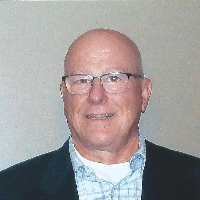
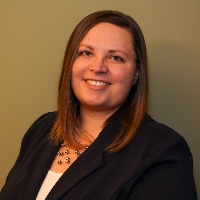



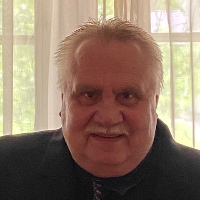





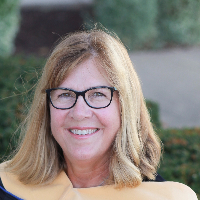
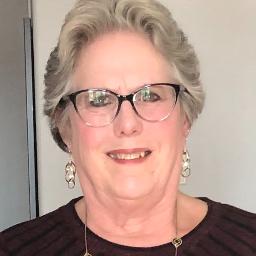
Angela Veach
LCPC
Illinois - 25 yrs exp









How communication problems therapy works for Illinois residents
If you are seeking help with communication challenges in Illinois, you will find that therapy is organized around understanding what makes interactions difficult for you or someone you care about. Early sessions typically focus on assessment - learning about your history, the situations that cause strain, and any patterns that repeat across relationships or settings. From there a therapist will work with you to set practical goals, whether those goals are clearer conversations at work, improved family interactions, or tools for managing social anxiety that affects speaking and listening.
Therapists who focus on communication problems often use a blend of skill-building, role-play, and reflective techniques to change how you communicate and how you respond to others. Over time you can expect to practice new habits in the safety of sessions and then apply them in daily life. For many people in Illinois, that means combining in-person appointments - when available in cities like Chicago, Aurora, or Naperville - with online follow-ups so progress continues between meetings.
Finding specialized help for communication problems in Illinois
Searching for a specialist in communication requires attention to both credentials and experience. In Illinois, look for clinicians who list experience with the specific kinds of communication issues you face, such as difficulty expressing emotions, conversational skills after medical events, assertiveness at work, or challenges related to neurodiversity. Some professionals will describe their training in family systems, cognitive-behavioral techniques, or social communication skills training. Others may have additional training in working with couples, children, or adults recovering speech function after injury - the right match depends on your situation.
Local context matters. Urban areas like Chicago offer a wide range of specialists and multidisciplinary clinics, while suburban and smaller communities may have a smaller pool but often provide strong practitioner continuity and community resources. If you live in or near Aurora or Naperville you may find both private practices and group clinics that specialize in communication support. Use therapist profiles to confirm licensure information, typical client age groups, and whether the clinician offers in-person sessions, telehealth, or both.
What to expect from online therapy for communication problems
Online therapy has become a common option for people across Illinois. When you choose telehealth for communication work, you will typically meet with your clinician via video for interactive exercises, conversational practice, and real-time feedback. Sessions can be more convenient when you live farther from a specialty clinic, or when scheduling around work and family obligations is important. You should expect to do the same kinds of practice you would in person - rehearsing phrases, practicing tone and pacing, and experimenting with body language when video is possible.
Technology needs are straightforward: a device with a camera and microphone, a stable internet connection, and a quiet spot for one-on-one work. If you are in a household where privacy is limited, consider scheduling sessions when you can be uninterrupted or discussing alternative arrangements with your therapist. Many clinicians will also assign short exercises between sessions so you can strengthen new skills in everyday situations. Be sure to ask about how they handle session notes, messaging between appointments, and the best way to reach them in case you have questions about homework or progress.
Common signs that someone in Illinois might benefit from communication problems therapy
You might consider therapy if conversations often leave you feeling misunderstood, if important relationships are strained by repeated misunderstandings, or if speaking up feels consistently difficult. You may notice patterns such as avoiding certain topics, frequent arguments that circle back to the same grievances, or a sense of isolation even when you are surrounded by people. At work, communication problems may show up as difficulty giving or receiving feedback, trouble negotiating, or stress in meetings that affects your performance and wellbeing.
For caregivers and family members there are additional signs to watch for: a loved one withdrawing from visits, children struggling to make peers understand them, or adults who have experienced changes in speech after illness or injury. In such cases you may need someone who can blend therapeutic communication strategies with referrals to other professionals when appropriate. Recognizing these signs early can help you find targeted support that addresses both skill-building and the emotional impacts of communication difficulties.
Tips for choosing the right therapist for this specialty in Illinois
When you start narrowing options, focus on fit as much as credentials. Read therapist profiles to learn how they describe their approach and the kinds of clients they typically see. You may prefer someone who emphasizes practical skills and homework, or you may want a clinician who centers emotional processing alongside communication training. If cultural background, language, or familiarity with Illinois-specific community issues matters to you, look for that information in the profile or ask about it during an initial consultation.
Logistics matter as well. Confirm whether the therapist is licensed to practice in Illinois for in-person or telehealth care, what payment options are accepted, and whether they offer flexible scheduling. If you live in Chicago or one of the larger suburbs like Aurora or Naperville, you will likely have more in-person options, while rural areas may rely more heavily on telehealth. Ask about average session length, frequency recommended for the first few months, and how they measure progress so you can set reasonable expectations.
Another practical step is to prepare questions for an initial call. Ask how they tailor interventions to your needs, what a typical session looks like, and whether they assign practice between appointments. Many therapists offer a brief introductory conversation so you can get a sense of rapport before committing. Trust your sense of whether the clinician listens well, explains things clearly, and invites collaboration - communication work depends heavily on a collaborative relationship.
Considering community resources and referrals
Beyond individual clinicians, you may find value in community-based programs, workshops, and support groups in Illinois that focus on communication skills. These can complement one-on-one therapy by offering practice opportunities and peer feedback. If your needs intersect with medical issues, schools, or workplace accommodations, a therapist can often coordinate with other providers or recommend specialists with relevant experience. Being in touch with local supports can make a significant difference in how quickly you see improvements.
Next steps for finding help in Illinois
Start by using directory filters to locate therapists who list communication problems among their specialties, then review biographies and treatment approaches to find several promising matches. If you are in a metropolitan area like Chicago, you can often find evening or weekend options; if you are in the suburbs or smaller cities such as Aurora and Naperville, consider combining in-person visits with online follow-ups to maintain momentum. Reach out for brief consultations to compare approaches and ask about logistics like session length and payment. Taking that first step to contact a clinician will help you learn what the work will feel like and how it can be tailored to your life.
Communication challenges are common and treatable with focused effort and the right support. Whether you want to improve everyday conversations, repair strained relationships, or gain confidence in professional settings, finding a therapist who understands your goals and context in Illinois is the next move. Use the listings on this page to explore profiles and schedule an introductory visit so you can begin practicing new skills with professional guidance.