Find a Depression Therapist in Illinois
This page helps you find depression-focused therapists in Illinois, with listings you can compare by approach, credentials, and availability.
Browse the therapist profiles below to choose a provider who fits your needs and preferences.














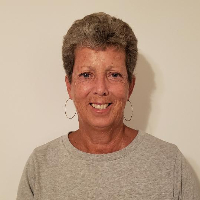
Angela Veach
LCPC
Illinois - 25 yrs exp









How depression therapy works for Illinois residents
Depression therapy is a structured, supportive process that helps you understand what you are experiencing, identify patterns that may be keeping you stuck, and build skills to cope more effectively. In Illinois, you can work with licensed mental health professionals who provide therapy in a range of settings, including private practices, clinics, and online services. Therapy is not about being told what to do. It is a collaborative relationship where you and your therapist set goals, track progress, and adjust strategies based on what is and is not working for you.
Depression can show up differently from person to person. Your therapist will typically start by learning about your symptoms, history, stressors, and supports. You may talk about sleep, appetite, energy, concentration, mood, motivation, relationships, and life events. From there, therapy often focuses on practical steps you can take between sessions, such as experimenting with small routines, learning ways to manage difficult thoughts, or practicing communication skills. Many people also use therapy to address underlying issues like grief, trauma, chronic stress, identity concerns, or major life transitions.
In Illinois, the right fit often depends on your preferences and circumstances. If you live in Chicago and want in-person appointments, you might prioritize location and commute. If you are in Aurora or Naperville and juggling work and family schedules, you might value flexible evening telehealth options. Wherever you are in the state, therapy can be tailored to your goals, pace, and comfort level.
Finding specialized help for depression in Illinois
When you are looking for a depression therapist in Illinois, specialization matters. Many therapists treat a range of concerns, but some have deeper experience with depressive symptoms, mood-related challenges, and the day-to-day impacts depression can have on work, school, parenting, and relationships. In a directory, you can often get a sense of fit by reviewing what a therapist highlights in their profile, such as focus areas, populations served, and the methods they use.
Therapy approaches often used for depression
Different therapists may use different frameworks, and many integrate more than one approach. Common evidence-informed methods used to support people with depression can include:
- Cognitive and skills-based approaches that help you notice unhelpful thought patterns, test alternatives, and build coping strategies you can practice between sessions.
- Behavioral strategies that focus on rebuilding routines, increasing rewarding activities, and reducing avoidance in manageable steps.
- Interpersonal work that explores relationships, boundaries, conflict, role transitions, and social support.
- Mindfulness and acceptance-based strategies that help you relate differently to difficult feelings and reduce the struggle with symptoms.
- Trauma-informed therapy when depression is connected to past adverse experiences, chronic stress, or ongoing safety concerns.
You do not need to know which approach is best before you start. A good therapist can explain how they work, why they recommend certain strategies, and what progress might look like for you.
Illinois-specific considerations
Illinois is diverse in geography and access. In larger metro areas like Chicago, you may have more options for niche specialties, languages, and appointment times, but you might also face waitlists. In suburban areas such as Naperville and Aurora, you may find a blend of in-person and online practices with varying availability. In other parts of the state, telehealth can expand your options by connecting you with licensed Illinois therapists without requiring long drives.
What to expect from online therapy for depression
Online therapy can be a practical option if you want more scheduling flexibility, prefer meeting from home, or have transportation and time constraints. For Illinois residents, online therapy is typically provided by clinicians licensed to practice with clients located in Illinois. You will usually meet through secure video, and some therapists may also offer phone sessions depending on their practice policies and your needs.
How sessions typically work
Most online therapy sessions follow a similar structure to in-person therapy. You will check in about how you have been feeling, what has been difficult, and what has improved. You and your therapist may review goals, practice skills, and plan next steps. Many therapists will suggest small, realistic actions between sessions, like tracking mood patterns, trying a brief routine change, or practicing a coping skill during a specific situation.
To set yourself up for success, consider your environment. Choose a private space where you can speak openly, use headphones if you share a home, and test your internet connection ahead of time. If privacy is hard to find, some people schedule sessions from a parked car or a quiet room with a white-noise machine outside the door.
Benefits and tradeoffs
- Benefits: Less travel time, easier scheduling, access to a wider range of Illinois-licensed therapists, and the comfort of being in your own space.
- Tradeoffs: Technology issues, limited privacy at home, and fewer nonverbal cues than in-person sessions for some people.
If you are unsure whether online therapy is right for you, you can ask a therapist how they adapt their approach for telehealth and what they recommend based on your situation.
Common signs you might benefit from depression therapy
Depression is not always constant sadness. It can also feel like numbness, irritability, or a sense that life has become harder to manage. Therapy can be helpful whether symptoms are new, long-standing, mild, or disruptive. If you are in Illinois and noticing changes that are affecting your daily life, it may be worth exploring support.
- Loss of interest or pleasure in activities you used to enjoy
- Low energy, fatigue, or feeling slowed down
- Sleep changes, such as insomnia or sleeping much more than usual
- Appetite or weight changes
- Difficulty concentrating, remembering, or making decisions
- Increased irritability, restlessness, or feeling on edge
- Withdrawing from friends, family, or coworkers
- Feeling hopeless, guilty, or like you are a burden
- Struggling to keep up with work, school, or household responsibilities
If you are experiencing thoughts of self-harm or suicide, seek immediate help. In the US, you can call or text 988 for the Suicide and Crisis Lifeline. If you are in immediate danger, call 911 or go to the nearest emergency room.
Tips for choosing the right depression therapist in Illinois
Choosing a therapist is a personal decision, and it is normal to compare a few options. The goal is to find someone you can be honest with, who understands depression, and who offers a plan that feels realistic for your life in Illinois.
1) Confirm licensing and location fit
Make sure the therapist is licensed and able to work with clients located in Illinois. If you want in-person sessions, consider practical details like office location, parking, and commute time, especially in high-traffic areas such as Chicago. If you prefer online therapy, confirm you can meet from your location in Illinois and ask what technology is required.
2) Look for depression-relevant experience
Review profiles for signs the therapist regularly works with depression and related concerns that often overlap, such as anxiety, burnout, grief, postpartum challenges, or life transitions. If your depression feels tied to a specific context, like workplace stress or a relationship shift, look for someone who mentions those areas.
3) Ask how they structure treatment
In an initial consult or first session, you can ask questions like:
- How do you typically work with depression?
- What might our first few sessions look like?
- How do you set goals and measure progress?
- Do you offer skills or exercises to practice between sessions?
You are looking for clear communication and a plan that matches your preferences, whether you want practical tools, deeper exploration, or a blend.
4) Consider scheduling, fees, and insurance
Therapy is easier to sustain when logistics work. Check session length, frequency options, evening or weekend availability, and cancellation policies. If you plan to use insurance, confirm whether the therapist is in-network or provides documentation for reimbursement. If you are paying out of pocket, ask about fees and whether sliding-scale options are available.
5) Pay attention to the therapeutic fit
Credentials and methods matter, but your sense of safety and connection matters too. After a session or two, ask yourself: Do you feel heard? Does the therapist take your concerns seriously? Do you leave with a clearer sense of next steps? It is okay to switch if the fit is not right. Finding the right match can make therapy feel more effective and more manageable.
Getting started with depression therapy in Illinois
If you are ready to begin, start by browsing the therapist listings on this page and narrowing your choices based on specialty, approach, and availability. You can reach out to ask about openings, session format (online or in-person), and what they recommend for your goals. Whether you are in Chicago, commuting from Naperville, or balancing a busy schedule in Aurora, the right support should feel accessible and tailored to your life. Taking the step to explore therapy is a practical move toward feeling more supported and more capable of handling what you are facing.