Find a Dissociation Therapist in Illinois
This page features clinicians in Illinois who focus on dissociation and trauma-related concerns. Each listing includes practice details, specialties, and appointment options. Browse the results below to identify providers who might be a good fit.
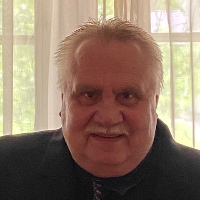

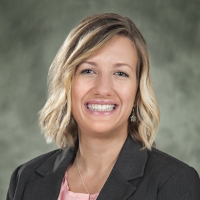
Angela Veach
LCPC
Illinois - 25 yrs exp

















How dissociation therapy typically works for Illinois residents
When you seek therapy for dissociation in Illinois, the process usually begins with a careful assessment to understand your experiences, history, and current needs. Therapists who specialize in dissociation often use a trauma-informed, phase-oriented approach that prioritizes safety and stabilization before exploring memories or integration work. Early sessions commonly focus on building coping skills, improving grounding techniques, and developing a plan to manage distressing symptoms so that deeper therapeutic work can proceed at a manageable pace.
Therapists trained in this specialty may draw on a range of approaches - including somatic methods that address bodily responses, relational strategies that repair trust and attachment, and integrative models aimed at helping you experience a more cohesive sense of self. The pace and direction of therapy are tailored to you, with clinicians adapting techniques to match your resilience, supports, and practical circumstances within Illinois.
Initial assessment and collaborative planning
Expect the first few sessions to involve questions about your history, current functioning, and safety. A thorough assessment helps the clinician understand whether dissociative experiences are connected to trauma, stress, or other factors and informs a collaborative treatment plan. You should receive information about session frequency, typical length of work, and any tools the therapist uses outside of sessions such as worksheets, grounding exercises, or somatic practices. Clear communication about boundaries, emergency contacts, and how to reach help between sessions is also a common part of early planning.
Therapeutic approaches and ongoing work
There is no single method that fits everyone, so therapists often combine techniques. You may work on skill-building to reduce dissociative episodes, practice grounding and mindfulness to stay present during stress, and gradually process traumatic memories when you feel ready. Some therapists incorporate specialized modalities such as eye movement interventions, parts work, or sensorimotor approaches to address the complex interactions between memory, emotion, and bodily experience. The goal is steady progress toward greater self-awareness and functioning rather than rapid or forced change.
Finding specialized help for dissociation in Illinois
Illinois offers a range of providers across urban and suburban settings, and your search can begin with clinician profiles that list training and specializations. When looking for a therapist, check for relevant training in trauma and dissociation, experience with complex cases, and licensure appropriate to the services you want. You can verify professional credentials through state licensing boards and inquire about additional certifications or supervised experience related to dissociation.
If you live near major population centers such as Chicago, Aurora, or Naperville, you may find a larger pool of specialists and clinics that focus on trauma work. In more rural or outlying areas, telehealth options can broaden access to clinicians with specific expertise. Community mental health centers, university training clinics, and nonprofit organizations may also offer programs or referrals that connect you with therapists experienced in dissociation.
Practical considerations when searching
Consider whether you prefer in-person sessions or telehealth, what days and times you can attend, and whether you need a clinician who speaks your language or has cultural competence with your background. It is reasonable to ask about a therapist's experience with particular symptoms you are experiencing, their approach to safety planning, and how they handle crises. These practical details influence how well a clinician fits into your life and support system in Illinois.
What to expect from online therapy for dissociation
Online therapy has expanded access to specialists, especially for people who live outside major metropolitan areas. If you opt for telehealth, expect sessions to be held via video or phone and to include many of the same techniques you would receive in person. Telehealth can make it easier to work with clinicians located in Chicago, Aurora, Naperville, or other parts of the state without a long commute. However, technical interruptions and the limits of remote contact are practical considerations to discuss ahead of time.
Therapists offering telehealth to Illinois residents typically follow state guidelines and have procedures for managing emergencies at a distance. This often includes establishing local emergency contacts, confirming your physical location at the start of a session, and developing a plan for immediate help if needed. You should ask a prospective provider about their telehealth policies, how they protect your data during virtual sessions, and what to expect if you need more intensive support between appointments.
Common signs someone in Illinois might benefit from dissociation therapy
You might consider seeking a clinician who specializes in dissociation if you notice frequent memory gaps for periods of time, find that you lose track of hours or days, or experience sudden shifts in mood or identity that interfere with daily life. People also turn to dissociation-focused therapy when they feel detached from their body or surroundings, have recurring blackouts, or struggle to maintain continuity in relationships and work because of unpredictable episodes. Those who have a history of trauma or repeated overwhelming stressors and who notice these kinds of symptoms may find that targeted, trauma-informed therapy helps them develop strategies to manage and reduce disruptive experiences.
It is also common to seek help when dissociative responses affect safety - for example, when you do not remember taking medications, driving, or making important decisions. If symptoms are intensifying or affecting your ability to care for yourself, reaching out for an assessment can clarify whether dissociation-focused work is appropriate.
Tips for choosing the right therapist for this specialty in Illinois
Selecting a therapist is both practical and personal. Start by reviewing clinician bios to learn about their training, therapeutic orientation, and experience with dissociation. You can call or message to ask specific questions about their work with trauma and parts-related experiences, how they structure treatment, and whether they collaborate with medical providers when needed. Ask about session length and frequency, fees, insurance participation, and whether sliding scale options are available if cost is a concern.
Consider fit as well as credentials. You should feel heard and respected from the first contact. Many people benefit from an initial consultation to get a sense of a therapist's style and whether it matches their preferences. If you prefer a clinician in a specific city, you may find more options in Chicago neighborhoods, while Aurora and Naperville often have practices with suburban accessibility and parking. Think about commute time, accessibility of public transit, and whether evening or weekend appointments are important for your schedule.
Building rapport and knowing when to continue searching
Therapy is collaborative, and it is normal to try a few clinicians before finding the right fit. Pay attention to whether the therapist listens carefully to your concerns, responds with clarity about the plan, and offers concrete strategies you can practice between sessions. If you do not feel understood or if the approach does not feel safe or effective after several sessions, it is reasonable to seek another opinion or clinician. Finding someone with whom you can build trust and a clear plan increases the chance that therapy will feel purposeful and helpful.
Finally, remember that help is available across Illinois, whether you choose an in-person practice in a major city or a clinician who offers telehealth statewide. Use the listings below to compare backgrounds, approaches, and logistical details so you can make an informed decision and begin the work that fits your needs and life circumstances.