Find a Fertility Issues Therapist in Illinois
This page lists Illinois therapists who specialize in fertility issues, including clinicians serving Chicago, Aurora, and Naperville. Browse the profiles below to compare approaches, read practitioner summaries, and reach out to those who match your needs.
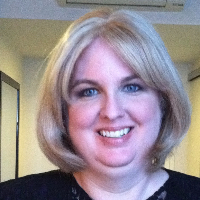
Angela Veach
LCPC
Illinois - 25 yrs exp

Dr. Cindy Cook
LCSW
Illinois - 23 yrs exp




















How fertility issues therapy typically works for Illinois residents
If you are dealing with infertility, recurrent pregnancy loss, or the emotional fallout of assisted reproductive treatments, a therapist can offer practical strategies and emotional support tailored to your situation. In Illinois you will find clinicians who integrate evidence-informed approaches with an understanding of the specific stresses that come with family-building. Your first sessions usually include an assessment of what you are facing - the timeline of fertility efforts, the medical treatments underway, the impact on relationships and daily functioning, and the goals you want from therapy. From there you and your therapist will set goals and develop a plan that may include coping skills for anxiety and depression, communication techniques for partners, and tools for navigating medical appointments and decision points.
Coordination with medical care
Many therapists work alongside reproductive endocrinologists, obstetric providers, and nursing teams, focusing on the psychological and relational side of care. You can expect discussions about how therapy fits with medical appointments, how to manage stress around procedures, and when to seek more intensive supports. If you live in a metropolitan area like Chicago, you may have the chance to consult with therapists who have long-standing relationships with nearby clinics. If you are in a suburb such as Aurora or Naperville, you can look for therapists who understand the logistics of travel, insurance coverage differences, and local referral networks.
Finding specialized help for fertility issues in Illinois
When searching for a therapist in Illinois, you can prioritize clinicians who list fertility issues, reproductive mental health, or perinatal and reproductive counseling among their specialties. Many directory profiles will note experience with grief, loss, in vitro fertilization, intrauterine insemination, egg or sperm donation, surrogacy, and the emotional aspects of adoption. You should also pay attention to clinicians who mention collaboration with medical teams, or who have completed additional training in reproductive mental health. Urban centers such as Chicago offer a wider range of specialty providers, while smaller communities may require you to consider online options or therapists who travel between office locations.
Cultural and identity considerations
Family-building shapes and reflects cultural values, faith traditions, and identity. You may wish to seek a therapist who understands your cultural background, religious considerations, or experiences as an LGBTQ+ person pursuing parenthood. In cities like Chicago you are likely to find clinicians with diverse cultural competencies. Whether you live in a large city or a smaller Illinois town, asking about a therapist's experience with your particular cultural or identity context can help you find a better fit.
What to expect from online therapy for fertility issues
Online therapy makes it easier to connect with specialists across the state, so you are not limited to clinicians in your immediate area. Sessions typically take place over secure video or phone, and the format is similar to in-person work - assessment, goal-setting, skill-building, and check-ins. You can use online therapy to prepare for a medical procedure, process setbacks, or work on relationship communication between clinic visits. Online sessions can also reduce travel time if you are balancing work, appointments, and medical procedures.
Practical considerations for virtual care
Before starting online therapy you should confirm scheduling flexibility, session length, and emergency procedures. Ask how the therapist handles crisis situations and whether they have a plan if you need more immediate in-person support. If you live in Illinois, verify that the clinician is licensed to practice in the state so you can receive care without regulatory barriers. Many people appreciate the convenience of virtual sessions when they live outside major hubs; for example, someone in Naperville may take an evening session after a workday, while a person in Chicago might choose a daytime appointment between treatments.
Common signs that therapy may help
You might consider seeking a fertility-focused therapist if persistent anxiety, low mood, or relationship tension are interfering with your life. Signs include feeling overwhelmed by repeated medical appointments, experiencing prolonged grief after a loss, avoiding social situations that involve children or pregnancy, or noticing that fertility concerns dominate your thoughts and decision-making. You may also find that your partner is struggling to communicate, or that intimate life has become strained. Therapy can provide a space to process emotions, improve communication, and develop strategies to manage the unpredictability of fertility journeys.
When emotions affect daily functioning
If your mood changes are affecting sleep, work, or daily responsibilities, or if you are using unhealthy coping strategies to manage stress, it is a strong signal that extra support could be useful. Therapy is a place to build concrete tools for coping with waiting periods, treatment failures, and the ongoing uncertainty that many people face while trying to conceive.
Tips for choosing the right fertility issues therapist in Illinois
Begin by clarifying what you want from therapy - symptom relief, help with decision-making, couples work, or navigation of medical systems. Look for therapists who explicitly note experience with fertility or reproductive mental health, and check their approach so it aligns with your preferences. If you want short-term coping skills you might choose a clinician focused on cognitive-behavioral strategies; if you are processing complex grief or trauma, a therapist with training in trauma-informed care may be a better match. In larger cities such as Chicago you can often find specialists who combine several approaches, while in suburban areas such as Aurora or Naperville you may weigh the benefits of local in-person appointments versus broader access through online work.
Questions to ask before you start
When you contact a therapist, ask about their experience with fertility-related cases, how they typically work with couples versus individuals, what a typical treatment plan looks like, and whether they collaborate with medical teams. Inquire about fees, insurance acceptance, sliding scale options, and session availability so you can plan around treatments and appointments. Many therapists offer brief consultations so you can gauge rapport - chemistry matters because you will be discussing sensitive topics. Trust your instincts about whether a clinician feels like a good fit for your needs.
Moving forward in your search
Searching for a fertility issues therapist in Illinois is a personal process. You may try several clinicians before finding one who meets your emotional and logistical needs. Use the listings on this page to compare profiles, read about different therapeutic approaches, and identify clinicians who mention coordination with reproductive clinics or experience in major Illinois cities. Whether you prefer in-person sessions in Chicago, hybrid options near Naperville, or fully online therapy that fits your schedule in Aurora, the right therapist can help you build resilience, improve communication, and make thoughtful decisions as you navigate your family-building journey.
Therapy does not change medical outcomes, but it can change how you cope with the process. If you are ready to begin, reach out to a few clinicians to learn more about their approach and availability. Taking that first step can give you tools to manage the emotional weight of fertility issues and find a clearer path forward.