Find an Isolation / Loneliness Therapist in Illinois
This page connects you with therapists in Illinois who focus on isolation and loneliness. Browse the listings below to compare clinicians in Chicago, Aurora, Naperville and other communities across the state.







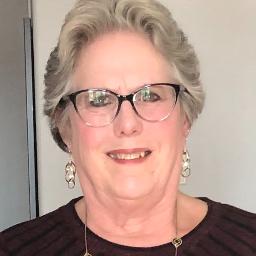
Angela Veach
LCPC
Illinois - 25 yrs exp












How isolation and loneliness therapy works for Illinois residents
If you are feeling cut off from others, therapy can offer a structured way to understand what is keeping you isolated and to build practical skills for connection. A clinician will typically begin by asking about your current relationships, daily routine, physical health, and any life changes that may have contributed to withdrawal. Together you and your therapist develop goals that might include increasing social contact, improving communication, managing anxiety around interactions, or joining community activities.
The work often blends skill-building and exploration. You may learn practical strategies for starting conversations, sustaining friendships, or finding shared activities. You may also examine patterns that make it harder to reach out - for example, negative self-talk, fear of rejection, or habits formed during stressful life phases. Therapy is a collaborative process: you and your clinician will try approaches, reflect on what helps, and adjust the plan as you learn more about what increases your sense of belonging.
Finding specialized help for isolation and loneliness in Illinois
When searching for a therapist in Illinois, it helps to look for clinicians who mention experience with social disconnection, loneliness, social anxiety, grief, life transitions, or relationship building. Licensure titles vary - common ones include licensed professional counselors, clinical social workers, and psychologists - and many professionals list areas of focus on their profiles so you can match specialties to your needs. If you live near larger metro areas like Chicago, Aurora, or Naperville you will likely find a wider range of specialties and scheduling options. In smaller communities or suburbs you may find clinicians who combine experience across several related concerns, and community mental health centers can offer additional pathways to support.
Local resources can complement individual therapy. You might explore community centers, faith-based groups, volunteer programs, or university-affiliated clinics that host social groups or drop-in activities. These settings can provide opportunities to practice social skills between sessions and to expand your network in ways that feel manageable. When you contact a therapist, ask about their experience working with clients who feel lonely, what approaches they use, and whether they offer group work or referrals to local programs.
What to expect from online therapy for isolation and loneliness
Online therapy has become a practical option for many people in Illinois, especially if transportation, scheduling, or mobility are obstacles. You can expect sessions to take place via video, phone, or text-based messaging, depending on the clinician's offerings. Online sessions allow you to work with clinicians across the state, which can increase access to therapists who specialize in social connection and loneliness. Before beginning, confirm that the therapist is licensed to practice in Illinois and ask how they protect your personal information and session notes.
Working online can feel surprisingly personal. You will still build rapport, set goals, and practice skills with guidance from your clinician. To get the most from remote sessions, choose a quiet, comfortable environment where you can speak without interruptions, test your technology ahead of time, and be ready to try in-session exercises that translate to your daily routines. If you prefer meeting in person, many therapists offer a hybrid approach that blends face-to-face and virtual sessions so you can choose what works best as you make progress.
Common signs that someone in Illinois might benefit from isolation and loneliness therapy
You might consider seeking support if you notice persistent feelings of disconnection, a sense that you do not belong, or frequent thoughts that others do not understand you. If you are withdrawing from friends and activities you used to enjoy, avoiding invitations, or finding it hard to initiate contact, therapy can help you explore the reasons behind these changes and test new ways of relating. Other signals include persistent rumination about social interactions, chronic boredom or emptiness, increased reliance on screens to substitute for face-to-face contact, or difficulty forming or keeping meaningful relationships.
Loneliness can show up at any age - young adults navigating school or work transitions, parents adjusting to life changes, midlife adults experiencing shifts in friendships, and older adults facing loss or reduced mobility. If these experiences are affecting your sleep, appetite, mood, or daily functioning, talking with a therapist can provide immediate strategies and long-term supports to improve connection and well-being.
Tips for choosing the right therapist for this specialty in Illinois
Consider experience and therapeutic approach
When evaluating potential therapists, ask about their experience with isolation and loneliness and what therapeutic approaches they use. Some clinicians emphasize cognitive-behavioral skills to challenge unhelpful thoughts, while others focus on interpersonal strategies to improve communication and relationship patterns. Group therapy is another option that offers real-time practice in a guided setting, which can be especially helpful if your goals include building social confidence. Choose a therapist whose description of the work resonates with you and whose experience aligns with your stage of life and cultural background.
Look at logistics and accessibility
Practical considerations matter. Think about whether you want in-person sessions in or near Chicago, Aurora, Naperville, Springfield, or Rockford, or whether telehealth fits your schedule better. Check whether clinicians offer evening or weekend appointments if you work typical hours, whether they accept your insurance or offer a sliding scale, and how easy it is to reach them between sessions for scheduling. If transportation is a concern, prioritize therapists near public transit or who provide virtual options. Language access and cultural competence are important too - if you prefer a therapist who speaks Spanish or understands specific community cultures, include that in your search criteria.
Use initial contact to assess fit
A brief phone or video consultation can help you decide whether a therapist feels like a good match. Prepare a few questions: how they conceptualize isolation in your situation, what a typical session looks like, how progress is measured, and whether they assign practice between sessions. Pay attention to whether you feel heard and whether the therapist explains things in a way that makes sense to you. Fit is not about perfection - it is about finding someone who works with you respectfully and collaboratively as you pursue your goals.
Next steps
Begin by narrowing the listings below to a handful of therapists whose profiles mention isolation, loneliness, social anxiety, grief, or related areas. Reach out for introductory conversations and compare practical details like scheduling, fees, and the therapist's approach. If you live in a larger city like Chicago or Naperville you may have more options for specialized groups and evening clinics, while smaller communities often offer clinicians who can provide broad experience and community connections. Whatever your location in Illinois, taking the first step to contact a clinician is a meaningful move toward feeling more connected and supported.
As you explore options, remember that small changes can add up. Whether you start with individual sessions, join a group, or try community activities recommended by your therapist, each step gives you practice and information about what helps you feel more connected. Use the listings below to find a clinician you feel ready to work with, and begin shaping a plan that fits your life and goals.