Find a Narcissism Therapist in Illinois
This page lists therapists who focus on narcissism across Illinois, including practitioners in Chicago, Aurora, and Naperville. Browse the profiles below to compare specialties, treatment approaches, and availability.


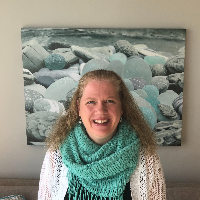
Dr. Cindy Cook
LCSW
Illinois - 23 yrs exp













How narcissism therapy works for Illinois residents
If you are exploring therapy for narcissism-related concerns in Illinois, it helps to know that treatment typically begins with a careful assessment. A therapist will take time to understand the patterns that bring you to therapy - communication styles, relationship struggles, responses to stress or criticism, and how these patterns affect your life at work and at home. Assessment may include a clinical interview, discussion of your personal and family history, and collaborative goal setting so you and your therapist have a clear sense of what change would look like.
Treatment approaches can vary depending on the therapist's training. Many clinicians draw on evidence-informed methods such as cognitive behavioral strategies that focus on thinking and behavior patterns, schema-focused work that explores long-standing life themes, and approaches that concentrate on improving emotional awareness and empathy. Therapy often focuses on building practical skills for managing interpersonal conflicts, responding to feedback, and developing a more stable sense of self. Sessions are typically weekly at first and may include work between sessions to practice new skills and reflect on patterns you notice in daily life.
Finding specialized help for narcissism in Illinois
Locating a therapist with relevant experience is an important step. In large urban centers like Chicago you will find a wider range of specialists with varied training in personality-related issues, couples work, and trauma-informed care. Suburban communities such as Aurora and Naperville also offer experienced clinicians, often with expertise in family and relationship dynamics. In Springfield and Rockford you may find clinicians in community mental health centers and private practice who are equipped to work with these concerns, and online appointments can expand your options if local specialists are limited.
When searching, look for information about a clinician's background in working with narcissism traits, relational patterns, or personality-focused therapy. You can also consider whether you prefer a therapist who emphasizes skill-building and short-term strategies or someone who offers longer-term, exploratory work. Referrals from other health professionals, local mental health organizations, and university-affiliated training clinics are additional ways to find clinicians who have specific experience. If cost or insurance is a concern, ask about in-network providers, sliding scale fees, or community clinics that may offer reduced rates.
What to expect from online therapy for narcissism
Online therapy is a practical option for many people across Illinois, especially if you live outside major cities or have scheduling constraints. With teletherapy you can connect with a clinician in Chicago while living in Rockford, or see a specialist based in Naperville without traveling. Sessions generally follow the same structure as in-person work - assessment, goal setting, and regular meetings - but you may find it easier to maintain consistency when you do not need to commute.
Before beginning online therapy, clarify logistical details with your therapist. Ask about session length, recommended frequency, and what technology is used. Confirm how your therapist protects your privacy and manages information shared in sessions. It is also helpful to set up a quiet, uninterrupted place for appointments and to plan how you will handle emergencies or urgent needs between sessions. For many people, the convenience of online care makes it easier to engage with the steady practice and reflection that lead to meaningful progress.
Common signs that someone in Illinois might benefit from narcissism therapy
You might consider looking for a therapist when patterns tied to narcissism traits lead to repeated conflict, distress, or barriers to your goals. You may notice frequent difficulties maintaining close relationships, intense sensitivity to criticism, or a habitual need for validation that leaves you feeling exhausted. Work or social problems can appear if you tend to take credit for group efforts, struggle to accept feedback, or experience recurring disputes with colleagues and friends. Some people find that a confident exterior masks unsettled self-esteem or loneliness, and therapy can provide a space to explore those underlying experiences.
Family members and partners also seek guidance when interactions become strained. If arguments escalate quickly, if communicating feels like walking on eggshells, or if patterns repeat despite attempts to change, professional support can help you learn different ways to relate. Therapy is not about labeling; it is about developing tools to improve how you feel and how you connect with others.
Tips for choosing the right therapist for this specialty in Illinois
Begin by identifying what matters most to you in a therapeutic relationship. Some people prioritize a clinician's specific training in personality-focused therapies or experience with couples work. Others value a direct style that focuses on skills and practical changes, while some prefer a reflective approach that explores deeper narratives. When you read profiles, pay attention to stated areas of focus, training, and examples of populations they work with.
It is reasonable to contact a few therapists and ask brief questions before committing to an intake session. You can ask about their approach to working with narcissism-related patterns, what a typical therapy plan might look like, and how they measure progress. Practical considerations matter too - availability for evening or weekend sessions, in-person hours if you are in Chicago or nearby suburbs, and whether they offer telehealth to reach clients across the state. Language offerings and cultural competence are also important - if you come from a particular community, look for clinicians who understand cultural context and family dynamics.
Preparing for your first sessions and planning next steps
Before your first appointment, it helps to reflect on what you hope to change and what has been tried previously. Jot down a few examples of recent interactions that felt difficult and note any patterns you see. Be ready to discuss goals, such as improving communication with a partner, reducing workplace conflicts, or feeling less reactive to criticism. Sharing this information will allow your therapist to tailor an initial plan and recommend a pace that suits you.
Therapy is often a steady process of learning and practice. You should expect some moments of discomfort as you try new ways of relating, and you should also see opportunities for incremental change over time. If you live in Aurora, Naperville, Chicago, Springfield, or Rockford, combining in-person and online sessions can provide flexibility while maintaining progress. If a particular therapist does not feel like the right fit, it is acceptable to try another clinician until you find someone whose style and approach resonate with you. The goal is to find a therapeutic partnership that helps you move toward clearer relationships and greater well-being in the context of your life in Illinois.
Final note
Seeking help for narcissism-related concerns is a sign of commitment to change. Whether you pursue in-person sessions in a city like Chicago or choose online appointments that reach across the state, the right support can help you develop new patterns of relating and practical skills for everyday challenges. Use the listings on this page to compare providers, ask questions, and take the next step toward starting therapy.