Find an Obsession Therapist in Illinois
Explore therapists in Illinois who specialize in obsession-related concerns, with options for both in-person and online appointments. Browse profiles below to compare approaches, credentials, and availability across Chicago, Aurora, Naperville, and other communities.
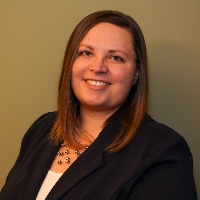


Angela Veach
LCPC
Illinois - 25 yrs exp
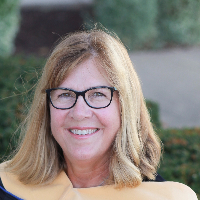
Dr. Cindy Cook
LCSW
Illinois - 23 yrs exp


















How obsession therapy typically works for Illinois residents
If you are seeking help for persistent, intrusive thoughts or repetitive behaviors, therapy usually begins with an initial assessment to understand your history, symptoms, and daily impact. This conversation helps a therapist tailor a plan that fits your needs and lifestyle. Many clinicians use structured approaches that focus on learning skills, testing assumptions, and changing patterns that maintain unwanted thoughts or actions. Sessions are usually scheduled weekly at first, with frequency adjusted as you make progress and develop coping strategies that fit your life in Illinois.
Common approaches you may encounter
Therapists often draw from evidence-informed methods such as cognitive-behavioral therapy and exposure-based techniques that help you face distressing thoughts in a controlled way and learn new responses. Treatment can include practicing new habits between sessions and tracking how triggers affect your daily routine. Your therapist will work with you to set achievable goals and evaluate progress over time, and they may coordinate care with your primary care provider or other local resources if that is helpful.
Finding specialized help for obsession in Illinois
When searching for a specialist, you can look for clinicians who list obsession-related concerns, obsessive-compulsive patterns, or related anxiety issues among their specialties. Many therapists note additional training in exposure-based therapies, cognitive approaches, or trauma-informed care. If you live in a larger city like Chicago, Aurora, or Naperville you are likely to find clinicians with focused training and experience. In smaller communities across the state, some clinicians provide telehealth services, which expands your options beyond local offices.
Licensing matters in Illinois. Make sure a clinician holds a current license to practice in the state, such as a Licensed Clinical Social Worker or Licensed Professional Counselor credential. Licensed providers are required to follow state regulations and ethical guidelines. You may also see clinicians with additional certifications or specialist training, which can be helpful when looking for someone with particular experience in obsession-related work.
What to expect from online therapy for obsession
Online therapy can be a practical option if you have scheduling constraints or live outside major metro areas. When you start virtual sessions, expect a similar assessment process to in-person care. You and your therapist will discuss technology needs, session structure, and how homework or exposure practices will be supported remotely. Some clinicians use video sessions to guide in-the-moment exposures, while others combine synchronous sessions with written exercises or phone check-ins. Many people appreciate the convenience of remote appointments combined with in-person sessions when needed.
Accessibility is an important consideration. If you live in Chicago or Naperville and prefer occasional office visits, inquire about hybrid models where some sessions are in-person and others are online. Verify whether a therapist sees clients across Illinois via telehealth, especially if you move between work locations or travel frequently. Also ask about session lengths and platforms so you know what to expect before your first appointment.
Signs you or someone you care about might benefit from obsession-focused therapy
You might consider seeking therapy if intrusive thoughts or repetitive behaviors interfere with daily functioning - for example, if they make it hard to work, study, or maintain relationships. You may notice avoidance of situations that trigger distress, excessive checking or mental rituals, or time-consuming routines that leave little space for other activities. Emotional signs can include persistent worry, frustration at being unable to control thoughts, or growing fatigue from trying to manage repetitive behaviors on your own.
If these patterns have increased over time or are causing significant stress, reaching out to a trained therapist can help you learn strategies to reduce their impact. Therapy is not about labeling; it is about practical steps that help you reclaim time and energy. In Illinois, therapists work with people from all backgrounds and age groups, and many are familiar with local stressors such as commuting in the Chicago area or balancing family life in suburban communities like Aurora and Naperville.
Practical tips for choosing the right therapist in Illinois
Start by clarifying what matters most to you - whether that is a therapist's training, approach, availability, insurance acceptance, or a comfortable office location. Read provider profiles to learn about their experience with obsession-related concerns and any specific methods they use. During an initial consultation you can ask about typical session structure, how progress is measured, and what home practice might involve. A good match is often determined by how well you feel heard and whether the therapist explains their approach in a way that fits your preferences.
Insurance and cost are practical factors to consider. Many Illinois clinicians accept major insurance plans, and some offer a sliding-fee option. If cost is a barrier, ask whether the provider offers reduced-fee sessions or can refer you to community resources. If you value in-person care, look for offices near transit lines or centrally located neighborhoods - for example, downtown Chicago offers many clinic options while suburban centers in Naperville and Aurora have accessible practices for commuters and families.
Preparing for your first session
Before your first appointment, write down a few examples of the thoughts or behaviors that concern you and note how they affect daily life. Consider questions you want to ask about the therapist's experience with obsession-focused work, how sessions will be structured, and what kind of homework you might expect. Gathering a brief timeline of when symptoms started and any prior supports you have tried will help the therapist get a clear picture quickly. Arrive with realistic expectations - meaningful change typically takes time and collaboration.
Local resources and next steps
Illinois offers a range of resources that can complement therapy, including community mental health organizations, university clinics, and support groups. If you live in an urban area such as Chicago, you may have access to specialty clinics and training programs where clinicians receive additional supervision in exposure-based treatments. In smaller towns and suburbs, telehealth expands your access to specialists who may not be based locally.
When you are ready, use the listings on this page to compare therapists by approach, availability, and location. Reach out with a brief message or phone call to describe your concerns and ask any practical questions about scheduling and fees. Taking that first step can feel challenging, but connecting with a clinician who understands obsession-related struggles is a concrete move toward change. Whether you choose a local office in Aurora, a clinic in Naperville, or remote sessions from home, the right match can help you build new strategies and improve daily functioning over time.
Therapy is a collaborative process. Over months of work you and your therapist will refine techniques, track progress, and adjust the plan as needed. Keep in mind that finding the right fit may require meeting with more than one clinician, and that being open about what you need will help you find the best match for your goals and lifestyle in Illinois.