Find a Relationship Therapist in Illinois
This page features relationship therapists serving Illinois, with profiles to help you compare fit, focus areas, and session options.
Browse the listings below to find support for communication, conflict, trust, and connection.












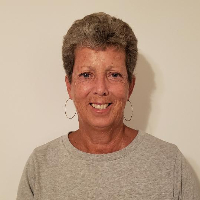
Angela Veach
LCPC
Illinois - 25 yrs exp











Relationship therapy in Illinois: how it can help
Relationship therapy is a structured, goal-oriented way to work on the patterns that shape how you and your partner (or family members) communicate, handle conflict, and stay connected. In Illinois, people seek relationship-focused counseling for many reasons: navigating major life transitions, rebuilding trust after a rupture, improving emotional intimacy, or learning how to disagree without escalating. You do not need to be in crisis to benefit. Many people start when they notice small issues repeating and want tools to prevent resentment from building.
Sessions typically focus on what is happening between you rather than who is “right.” A relationship therapist helps you slow down interactions, identify triggers, and practice new skills in real time. You might work on communication habits, boundaries, expectations, and ways to repair after conflict. If you attend therapy on your own, you can still do relationship work by exploring your attachment patterns, conflict responses, and how you choose partners or maintain closeness.
How relationship therapy works for Illinois residents
Illinois residents can access relationship therapy through in-person sessions, online sessions, or a mix of both. In larger metro areas like Chicago, you may find therapists with niche relationship specialties and flexible scheduling. In suburban areas such as Aurora or Naperville, you may find practices that offer evening appointments and family-friendly logistics. In more rural parts of the state, telehealth can make it easier to access specialized relationship care without a long drive.
Regardless of where you live, relationship therapy often follows a few consistent steps:
- Clarifying goals: You and your therapist identify what you want to change, such as reducing conflict, improving communication, or deciding how to move forward after a difficult event.
- Mapping patterns: You look for recurring cycles, like pursue-withdraw dynamics, criticism-defensiveness loops, or shutdown during stress.
- Skill-building: You practice tools for listening, expressing needs, negotiating boundaries, and repairing after arguments.
- Applying changes: You bring real-life examples from the week and refine what works for your relationship and values.
Many therapists also help you consider context. Work schedules, parenting demands, cultural expectations, finances, and family-of-origin stress can all influence how conflict shows up. Therapy gives you a place to untangle those pressures and decide what you want your relationship to look like going forward.
Finding specialized relationship help in Illinois
“Relationship therapy” can mean different things depending on the therapist’s training and the type of relationship you want to strengthen. As you browse Illinois listings, look for profiles that match your situation and preferences. Examples of relationship-focused support include:
- Couples counseling: For partners working on communication, intimacy, conflict, or shared decision-making.
- Premarital or commitment counseling: For aligning expectations about finances, family, roles, and long-term goals.
- Repair and rebuilding: For relationships recovering after a breach of trust, repeated conflict, or emotional distance.
- Co-parenting support: For improving collaboration, reducing conflict, and creating stable routines for children.
- Individual relationship therapy: For exploring patterns in dating, boundaries, attachment, or communication.
Specialization matters because relationship work often requires a specific skill set. A therapist who regularly supports couples or family systems may be better equipped to manage high emotion in the room, keep sessions balanced, and help you practice new interaction patterns rather than only discussing them.
What to expect from online relationship therapy
Online relationship therapy can be a practical option if you are balancing busy schedules, live in different parts of Illinois, or want access to a broader range of specialists. Many couples find that telehealth reduces friction around commuting and childcare, making it easier to attend consistently. It can also help if one partner travels for work or if you are in a long-distance relationship.
How sessions typically run
Most online sessions look similar to in-person sessions: you meet at a scheduled time, talk through recent moments of conflict or disconnection, and practice new skills. Your therapist may guide you through structured exercises, such as taking turns reflecting back what you heard, identifying the underlying emotion beneath a complaint, or planning a specific repair conversation for later in the week.
Setting up for success
You can improve the quality of online sessions by creating a private, quiet space and agreeing on a few ground rules. If you live in a smaller home or have kids nearby, consider using a white noise machine outside the door, scheduling sessions during school hours, or sitting in separate rooms if privacy is a concern. Good lighting, stable internet, and headphones can also make it easier to stay engaged and reduce misunderstandings.
Handling sensitive moments
Relationship sessions can bring up strong emotions. A therapist may pause the conversation to help you regulate, slow down, or reframe what is being said. If conflict escalates, your therapist may guide you to take a brief break and return to the topic in a more constructive way. You can ask in advance how the therapist manages heated moments and what boundaries they set to keep sessions productive.
Common signs you might benefit from relationship therapy
People across Illinois seek relationship therapy at many stages, from early dating to long-term partnerships and blended families. You might consider reaching out if you notice patterns that are not improving on their own. Common signs include:
- Recurring arguments that feel predictable and never fully resolve
- Communication breakdowns like interrupting, stonewalling, or avoiding hard topics
- Loss of connection including feeling more like roommates than partners
- Trust concerns such as secrecy, repeated boundary violations, or difficulty believing reassurance
- Life transitions like moving, job changes, becoming parents, or caring for aging relatives
- Differences in values or expectations around money, family involvement, intimacy, or roles
- Co-parenting stress and conflict about routines, discipline, or communication
- Feeling stuck where you have tried to talk but keep repeating the same outcomes
If you live in a fast-paced area like Chicago, you may also notice that stress, long commutes, or demanding work hours reduce the time you spend connecting. In suburbs like Aurora or Naperville, the pressure of juggling careers, school schedules, and extended family commitments can create similar strain. Therapy can help you build routines for connection that fit your real life, not an idealized version of it.
Tips for choosing the right relationship therapist in Illinois
Choosing a relationship therapist is about fit, logistics, and expertise. Use the directory listings to compare practical details and clinical focus. The right match can help you feel understood while also challenging unhelpful patterns in a respectful way.
Look for relevant training and experience
Relationship therapy can involve complex dynamics, so it helps to choose someone who regularly works with couples, families, or relationship concerns. Read the therapist’s profile for their approach, the types of relationships they support, and the issues they commonly address (communication, conflict, intimacy, premarital work, co-parenting, and more).
Ask how they structure relationship sessions
Different therapists run relationship therapy differently. Some keep most sessions joint, while others include occasional individual check-ins. You can ask how they handle confidentiality, how they manage high-conflict conversations, and what progress typically looks like. Clear structure can help you feel safer and more focused, especially if you are starting therapy during a tense period.
Consider availability and location across Illinois
Consistency matters. When comparing Illinois therapists, check whether they offer evening or weekend appointments, how far out they schedule, and whether they provide online sessions statewide. If you prefer in-person care, think about commute time and parking, especially in dense areas. If you prefer telehealth, confirm you can meet from a private location and that both partners can reliably attend.
Pay attention to the therapeutic fit
You should feel that the therapist can hold both perspectives without taking sides. In a first session, notice whether you feel heard, whether the therapist can summarize your concerns accurately, and whether they offer a clear plan for what to work on next. If you are attending alone, look for someone who helps you connect patterns to actionable steps rather than staying only in insight.
Clarify practical details early
Before you book, review fees, payment options, and cancellation policies. If you plan to use insurance, ask what documentation is available and how billing is handled. You can also ask what session length is offered for relationship work, since some therapists use longer sessions for couples.
Getting started with relationship therapy in Illinois
To begin, browse the Illinois relationship therapist listings on this page and shortlist a few providers whose approach and availability match your needs. When you reach out, share a brief snapshot of what you want help with and what kind of sessions you prefer (online, in-person, or hybrid). If you are seeking couples therapy, mention whether your partner is ready to participate and any scheduling constraints you are working around.
Relationship change usually happens through small, repeated shifts: listening differently, repairing faster, setting clearer boundaries, and practicing new habits between sessions. With the right support, you can create a more workable, respectful, and connected way of relating that fits your life in Illinois.