Find a Self-Harm Therapist in Illinois
This page connects you with therapists who specialize in self-harm care across Illinois. You will find clinician profiles, practice details, and options for in-person and online support in the state.
Browse the listings below to compare specialties, credentials, and availability so you can reach out to a therapist who feels like a good fit.




Angela Veach
LCPC
Illinois - 25 yrs exp
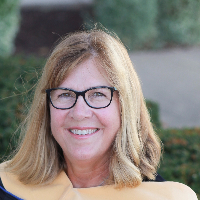
Dr. Cindy Cook
LCSW
Illinois - 23 yrs exp



















How self-harm therapy typically works for Illinois residents
When you begin looking for help with self-harm in Illinois, the process usually starts with an assessment. A therapist will ask about your experiences, safety concerns, medical history, and the circumstances surrounding self-injury behavior. That initial conversation is meant to help you and the clinician agree on immediate priorities and practical steps you can take to reduce harm. From there, you and your therapist will set goals together and choose approaches that match your needs and preferences.
Therapy for self-harm is often tailored to your age, the reasons you engage in self-injury, and any co-occurring challenges like anxiety, depression, or trauma. Sessions may focus on building coping strategies, identifying triggers, improving emotional regulation, and creating a plan for moments when you feel overwhelmed. Your therapist may also discuss ways to involve family or other supports if that would help you feel safer and better supported.
Finding specialized help for self-harm in Illinois
In Illinois you will find a range of clinicians who work with self-harm, from licensed counselors and social workers to clinical psychologists. Many of these professionals have additional training in approaches that are commonly used for self-injury, such as dialectical behavior therapy skills, trauma-informed care, and emotion-focused methods. If you live in a larger metro area like Chicago, Aurora, or Naperville, you may see more specialized clinics and clinicians with extensive experience in this area. In smaller cities and towns you can still find experienced providers through community mental health centers, university training clinics, and telehealth services that serve Illinois residents.
When searching, look for clinicians who describe experience with self-harm, suicidal thoughts, or non-suicidal self-injury. You can also seek out therapists who mention work with the age group you belong to - adolescents, young adults, or older adults - and who offer the style of care you prefer, such as individual therapy, family sessions, or skills-based group work. Asking how they coordinate care with medical providers or emergency services in Illinois can help you understand how they handle crisis situations.
What to expect from online therapy for self-harm
Online therapy has become a viable option for many people in Illinois, and it can increase access to clinicians who specialize in self-harm. If you choose remote sessions, you can expect to connect with a therapist by video or phone from your home or another private space. Therapists will typically review technology and privacy practices before the first session and will discuss emergency protocols so you know what will happen if you face an immediate risk during a remote appointment. Because laws and licensing rules vary, choose a clinician who is licensed to practice in Illinois or who clearly states their ability to serve Illinois residents.
Online therapy can be especially useful if you live outside major cities like Chicago, Aurora, or Naperville, or if you need more flexible scheduling. Many therapists use the same clinical methods online as they do in person, adapting exercises and skills practice for a digital format. You should expect careful attention to safety planning, means reduction, and coping strategies that can be practiced between sessions. If you are considering online care, ask about session length, how to reach the therapist between appointments if needed, and whether they provide supplemental resources or worksheets to support your progress.
Common signs that someone in Illinois might benefit from self-harm therapy
You may consider seeking a therapist if you notice repetitive patterns of hurting yourself to manage overwhelming feelings, or if self-injury has started to affect relationships, school, work, or daily routines. Other signs include frequent urges to injure yourself, difficulty coping with intense emotions, increasing secrecy about wounds or behaviors, or a reliance on self-injury to feel relief or to punish yourself. Changes in mood that are persistent, withdrawal from activities you once enjoyed, or escalations in substance use alongside self-harm behavior can also indicate that professional support would be helpful.
If you are worried about someone else - a friend, family member, or partner - observing unexplained injuries, wearing long sleeves in hot weather, sudden isolation, or dramatic shifts in mood can be reasons to encourage them to seek help. Approaching the conversation with care and offering to help find a therapist or to accompany them to an appointment can make it easier for them to take the first step. In immediate crisis situations in Illinois, contact local emergency services or a designated crisis line for urgent help.
Tips for choosing the right therapist for this specialty in Illinois
Choosing a therapist is a personal decision and it helps to start with practical considerations that matter to you. Think about whether you prefer in-person sessions near your city - for example in Chicago or around Aurora - or whether online therapy fits your schedule better. Check a clinician's credentials and licensure to confirm they are authorized to practice in Illinois, and look for mention of experience with self-harm, trauma, or adolescent and young adult issues if those are relevant to you. You can also consider logistical details such as session times, fees, insurance participation, and whether the therapist offers a sliding scale.
During an initial consultation, ask how they typically work with clients who self-harm, what safety planning looks like, and how progress is measured. You might want to know whether they use skills training, family involvement, or coordination with medical providers. Pay attention to how they respond to your questions - you should feel heard and respected. It is normal to try more than one therapist before finding a good match, so allow yourself flexibility to change providers if the fit is not right.
Questions to consider before the first session
Before starting therapy, it can help to reflect on what you hope to get from treatment and to note recent patterns or triggers. Ask potential therapists about their experience with self-harm, their approach to safety planning, how they handle emergencies, and how often they recommend sessions. If you are a student or have concerns about school or work, inquire about scheduling and any coordination that might be needed with other supports. If language, cultural background, or gender identity are important to you, ask whether the clinician has experience working with people who share your identity or whether they can refer you to someone who does.
Finding support in different Illinois communities
Availability of specialized services can vary across Illinois. Urban areas like Chicago and nearby suburbs often have clinics and private practices with clinicians who have focused training in self-harm interventions. In growing communities such as Aurora and Naperville you may find therapists with diverse specialties and options for evening or weekend appointments. In smaller cities and rural areas, telehealth can bridge the gap and connect you with clinicians statewide. Community mental health centers, college counseling services, and hospital outpatient programs are additional avenues to explore when you are seeking care.
Regardless of where you live in Illinois, take the time to reach out, ask questions, and prioritize a therapist who makes you feel understood and supported. Therapy is a collaborative process and having a thoughtful plan for safety and skill-building can help you move toward more effective ways of coping. If you are ever at immediate risk of harming yourself, contact local emergency services or a crisis hotline for urgent assistance right away.
Finding the right therapist for self-harm in Illinois can take time, but many people benefit from connecting with clinicians who offer respectful, expert care and who help them develop practical skills for staying safe and managing distress. Start by browsing profiles, reading clinician descriptions, and making a few calls to get a sense of who might be the best match for you. Taking that first step can open the door to support that fits your needs and your life in Illinois.