Find a Stress & Anxiety Therapist in Illinois
This page features stress and anxiety therapists serving Illinois, with details to help you compare training, focus areas, and session options.
Browse the listings below to find a provider who fits your needs, preferences, and schedule.














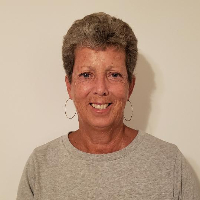
Angela Veach
LCPC
Illinois - 25 yrs exp









Stress and anxiety therapy in Illinois: how it can help
Stress and anxiety can show up in many ways, from constant worry and tension to trouble sleeping, irritability, or feeling on edge. Therapy offers a structured place to slow things down, understand what is fueling your symptoms, and practice skills that help you respond differently. If you live in Illinois, you might be balancing long commutes, demanding work schedules, family responsibilities, school pressure, or major life transitions. Whatever the source, therapy can help you build steadier coping routines and a clearer plan for change.
In stress and anxiety therapy, you and your therapist typically work on three levels: what you are experiencing (thoughts, emotions, body sensations), what triggers it (situations, patterns, relationships), and what helps (skills, supports, boundaries, and lifestyle adjustments). The goal is not to eliminate all stress, which is not realistic, but to reduce overwhelm and help you feel more capable in the face of everyday demands.
Common approaches you may see in Illinois listings
Therapists who focus on stress and anxiety often draw from evidence-informed methods. Depending on your needs, you may see providers who emphasize:
- Skills-based therapy that helps you notice anxious patterns and practice new responses (for example, coping strategies, problem-solving, and planning).
- Mindfulness and body-based tools that focus on calming the nervous system, improving awareness of physical stress signals, and building grounding habits.
- Exposure-based strategies for specific fears or avoidance patterns, done gradually and collaboratively.
- Supportive therapy that helps you process stressors, strengthen resilience, and improve self-compassion.
- Work and relationship-focused counseling when anxiety is tied to conflict, burnout, caregiving strain, or communication issues.
Many therapists integrate more than one approach. When you review profiles, look for language that matches what you want right now: practical tools, deeper insight, help with specific situations (like work stress), or a mix of both.
Finding specialized stress and anxiety help in Illinois
Illinois is diverse in pace and lifestyle. Your needs in Chicago may look different from your needs in a smaller community, and your therapist match can depend on your schedule, transportation, privacy preferences, and the type of stress you are facing. A directory can help you narrow options by specialty, session format, and practical details like availability.
When searching for stress and anxiety therapy in Illinois, consider these filters and keywords:
- Focus areas: generalized worry, panic, social anxiety, performance anxiety, health anxiety, stress management, burnout, perfectionism, life transitions, workplace stress.
- Populations served: teens, college students, adults, older adults, couples, caregivers, professionals, first responders.
- Session format: in-person, online, or hybrid.
- Preferences: therapist gender, cultural background, faith-informed counseling, language needs, and identity-affirming care.
If you are in a high-demand area like Chicago, you may find more scheduling options, including evening appointments. In suburbs like Aurora or Naperville, you may prioritize convenience, commute time, or hybrid sessions that reduce travel. Wherever you are in Illinois, it can help to contact a few therapists to compare fit and availability.
What to expect from online therapy for stress and anxiety
Online therapy can be a practical option if you have a busy schedule, prefer meeting from home, or want access to a broader range of clinicians across Illinois. Many people find that meeting virtually reduces the friction that can come with starting therapy, such as travel time, parking, or coordinating childcare.
In online sessions, you typically meet with a licensed therapist via secure video. Sessions often follow a similar structure to in-person counseling: check-in, discussion of current stressors, skill practice, and planning for the week ahead. For anxiety, you may work with tools like thought tracking, worry scheduling, exposure planning, relaxation training, or boundary-setting scripts, depending on your goals.
How to set yourself up for a good virtual experience
- Create privacy: Choose a quiet location where you can speak freely. Headphones can help if others are nearby.
- Test your tech: Stable internet and a charged device reduce interruptions that can increase stress.
- Plan a transition: Give yourself 5-10 minutes before and after sessions to settle in and reflect, especially if you are joining from work or a shared home.
- Bring notes: If anxiety makes your mind go blank, jot down key moments, triggers, or questions during the week.
Online therapy is not a one-size-fits-all solution. If you know you focus better in a dedicated office setting, or if home is not private, you may prefer in-person or hybrid sessions.
Signs you might benefit from stress and anxiety therapy
Stress and anxiety are common, but they can become disruptive when they start to shape your choices, relationships, or health habits. You do not need to wait for a crisis to seek support. Therapy can be useful when you notice patterns that keep repeating or when your current coping strategies are no longer working.
Consider reaching out to a stress and anxiety therapist in Illinois if you recognize any of the following:
- You feel keyed up, restless, or tense most days, even when things are going well.
- Worry feels hard to control and jumps from topic to topic (work, family, finances, health).
- You avoid situations because of fear of embarrassment, judgment, or panic symptoms.
- You experience physical stress signs like tight chest, stomach discomfort, headaches, jaw clenching, or shallow breathing.
- Your sleep is affected, such as trouble falling asleep, waking up anxious, or racing thoughts at night.
- You feel burned out, emotionally exhausted, or constantly behind, even after rest.
- Your concentration is slipping, and small tasks feel unusually hard to start or finish.
- You rely more on habits that provide short-term relief but create longer-term problems (overworking, scrolling, procrastination, or isolating).
If you are navigating a major change, such as a move, a new job, relationship shifts, parenting stress, or academic pressure, therapy can help you stabilize during the transition and prevent stress from building into a bigger issue.
Tips for choosing the right stress and anxiety therapist in Illinois
Therapist fit matters. The right match is usually a blend of practical factors (availability, location, cost) and personal factors (communication style, approach, and your comfort level). Use the profiles on this page to identify a shortlist, then reach out to learn more.
1) Look for a clear specialty focus
Many therapists can help with stress, but a specialist will often describe how they work with anxiety and what tools they use. Look for profiles that mention anxiety-related concerns directly and explain their approach in plain language. If you are dealing with panic, social anxiety, perfectionism, or work-related burnout, prioritize therapists who name those areas.
2) Match the approach to what you want right now
If you want concrete strategies, look for therapists who emphasize skills and practice between sessions. If you want to understand deeper patterns, look for clinicians who talk about insight, emotions, relationships, or past experiences. If you are unsure, you can ask how sessions are typically structured and what progress might look like over time.
3) Consider logistics across Illinois
Illinois residents often weigh convenience heavily. If you are in Chicago, you may want a therapist near your neighborhood or accessible by public transit, or you may prefer online sessions to avoid traffic and scheduling stress. If you are in Aurora or Naperville, you might look for hybrid options that fit around work and family routines. If you travel frequently within the state, online therapy can provide continuity.
4) Ask about experience with your specific context
Anxiety can be shaped by your environment and roles. You can ask whether the therapist has experience working with professionals, students, caregivers, or people managing high-pressure workplaces. If your stress is tied to relationship conflict, parenting, or a demanding job, it helps to choose someone comfortable addressing those real-life pressures.
5) Use a first contact to assess fit
When you message a therapist, keep it simple. Briefly describe what you want help with, what you have tried, and what you are looking for (skills, support, insight, or all three). Then evaluate the response: do you feel understood, respected, and clear about next steps? A good fit often feels collaborative and straightforward.
Getting started and building momentum
Once you choose a therapist, you can make the most of therapy by arriving with a few goals, even if they are broad. For example: sleep better, reduce panic sensations, stop overthinking at night, feel more confident at work, or handle conflict without spiraling. Your therapist can help you translate those goals into practical steps and track progress over time.
Stress and anxiety support is often most effective when it is consistent. If weekly sessions are not feasible, ask about alternatives such as biweekly appointments, short-term focused work, or check-in sessions after an initial intensive period. The best plan is one you can realistically maintain.
Browse the Illinois stress and anxiety therapist listings above to compare options and reach out to a provider who fits your needs and schedule.