Find an Emotionally-Focused Therapy (EFT) Therapist in Illinois
Emotionally-Focused Therapy (EFT) is an evidence-informed approach that helps people and couples understand and transform their emotional experiences and patterns. Use the listings below to find EFT practitioners across Illinois and explore profiles to identify a good match.
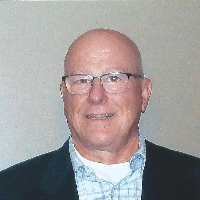




Angela Veach
LCPC
Illinois - 25 yrs exp

Dr. Cindy Cook
LCSW
Illinois - 23 yrs exp


















What is Emotionally-Focused Therapy (EFT)?
Emotionally-Focused Therapy, commonly called EFT, is a therapeutic approach that centers on emotions as key sources of information and change. Developed from attachment theory and experiential therapies, EFT helps people identify, experience, and reorganize emotional responses that shape their relationships and sense of self. The work focuses on increasing emotional awareness, reshaping interactions, and building stronger bonds between partners or within oneself. Therapists trained in EFT use structured stages and interventions that guide clients toward new patterns of emotional response and connection.
Core principles behind EFT
At the heart of EFT is the idea that emotions are adaptive and meaningful. Rather than dismissing or avoiding strong feelings, you are guided to explore them with curiosity and attention. Therapists help you locate underlying emotions beneath reactive behaviors - for example, fear hiding beneath anger - and then support you in expressing those emotions in ways that invite new responses. Another core principle is attachment - the notion that your emotional responses are shaped by early caregiving experiences and current relational bonds. EFT aims to strengthen attachment security by creating new interactional patterns in the therapy room that can be carried into daily life.
How therapists in Illinois use EFT
Therapists across Illinois integrate EFT into a range of settings and populations. In urban areas like Chicago, clinicians may work with diverse couples navigating work-life stress, cultural differences, or blended-family dynamics. In suburbs such as Aurora and Naperville, therapists often help couples and individuals manage transitions related to parenting, relocation, and career shifts. Many therapists also apply EFT principles in work with individuals who want to better understand how past attachment experiences influence present-day relationships. In community settings and private practice alike, EFT-trained clinicians tailor interventions to local needs while maintaining the approach's structured phases - identifying the cycle, accessing underlying emotions, and creating new interactional patterns.
Where it fits in a treatment plan
In Illinois, EFT is commonly offered as a stand-alone modality or combined with other therapeutic tools depending on your goals. A therapist may use EFT as the primary framework for couples therapy while incorporating cognitive or behavioral techniques to address specific skills. The approach is flexible enough to be adapted for short-term work focused on a specific relational issue or for longer-term therapy aimed at deeper emotional patterns. When you review therapist profiles, you will often see descriptions of how EFT is blended with other approaches to match the needs of the community they serve.
Issues commonly addressed with EFT
EFT is frequently used to address a range of relational and individual concerns. Many people seek EFT for couples issues such as repeated conflict, emotional withdrawal, infidelity recovery, or difficulties in sexual intimacy. Individuals often pursue EFT to process grief, loss, anxiety tied to relationships, or persistent feelings of loneliness and disconnection. Therapists also use EFT principles when working with families to improve emotional communication between parents and children. While outcomes vary by person and circumstance, the focus remains on deepening emotional understanding and creating healthier interactional patterns.
What a typical online EFT session looks like
If you choose online EFT in Illinois, a session usually begins with a brief check-in where you and the therapist set the focus for the hour. The therapist will then guide you through an exploration of recent interactions and the emotions connected to them. In couples sessions, this often involves helping each person speak about their experience in an open, non-blaming way while the other listens and reflects. The therapist may prompt you to slow down and name emotions, notice bodily responses, or enact a new way of asking for support. Online sessions preserve these experiential elements through careful facilitation, clear turn-taking, and attention to nonverbal cues that can still be observed on-screen. Sessions typically last 45 to 60 minutes and can follow a weekly or biweekly rhythm depending on your needs and availability.
Technology and practical considerations
When you attend EFT online, pick a quiet, comfortable spot where you can speak openly with minimal interruptions. Test your camera and audio beforehand and check whether your therapist offers telephone or video options. Many clinicians also offer a first brief consultation so you can get a sense of how they work and whether their approach feels like a good fit. If in-person sessions are available, therapists in cities like Chicago, Aurora, and Naperville may offer both formats so you can choose what works best for scheduling and engagement.
Who is a good candidate for EFT?
You may be a good candidate for EFT if you are motivated to explore how emotions influence your behavior and relationships. Couples who are willing to attend sessions together and to practice new ways of interacting are often well suited to EFT. Individuals who want to understand recurring patterns tied to emotional responses can also benefit from the approach. EFT can be helpful when relational problems are a major part of your distress, but it is also used by people working through loss, attachment wounds, and identity shifts. Therapists will assess readiness and may recommend adjunctive supports if there are issues such as active substance use or safety concerns that need to be addressed alongside EFT work.
How to find the right EFT therapist in Illinois
Searching for a therapist can feel overwhelming, but a few practical steps can help you narrow your options. Begin by looking for clinicians who list specific training in Emotionally-Focused Therapy or who describe attachment-focused, experiential work in their profiles. Read profile descriptions to learn about their experience with couples or individual therapy, their typical client population, and their approach to assessment and treatment planning. Consider location and availability - if you prefer in-person work, search for practitioners in major hubs like Chicago, Aurora, Naperville, Springfield, or Rockford. If scheduling is a constraint, explore clinicians who offer daytime, evening, or weekend appointments, or who provide online sessions across the state.
When you contact a therapist, prepare a few questions: ask about their training in EFT, whether they primarily work with couples or individuals, what a typical session looks like, and how they measure progress. Inquire about logistics such as fees, insurance acceptance, and cancellation policies. An initial consultation - often brief and low-commitment - can give you a sense of rapport and whether the therapist's style aligns with your expectations. Trust your sense of fit: a therapist who listens and explains their approach clearly is more likely to help you engage in the work.
Next steps
Finding an EFT therapist in Illinois is a process of matching your goals with a clinician's training and availability. Use the directory listings to compare profiles, read therapist statements about their methods, and schedule introductory conversations with those who seem like a fit. Whether you are seeking help for a specific relationship challenge or hoping to explore deeper emotional patterns, a trained EFT therapist can guide you through a structured, emotion-centered process that aims to change how you experience and express your feelings. Starting with a single appointment can help you evaluate whether EFT is the right approach for your situation and how it might integrate with other supports you are using in 2026 and beyond.