Find a Trauma and Abuse Therapist in Illinois
This page connects you with therapists in Illinois who specialize in trauma and abuse treatment. Browse the listings below to compare specialties, locations, and approaches and find a clinician who fits your needs.










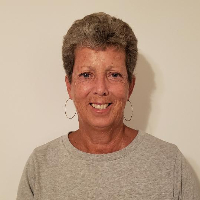
Angela Veach
LCPC
Illinois - 25 yrs exp









How trauma and abuse therapy works for Illinois residents
If you are exploring trauma and abuse therapy in Illinois, it helps to understand the common path a therapeutic relationship takes. First, you will typically have an intake conversation where the clinician asks about your history, current concerns, and goals for therapy. That assessment informs a treatment plan that may include evidence-informed approaches tailored to your circumstances. Sessions often focus on building safety and coping resources, processing distressing memories and reactions, and strengthening daily functioning and relationships. Therapy can move at different paces depending on your needs - some people need brief, focused work on a particular symptom, while others benefit from longer-term support to address complex experiences.
Finding specialized help for trauma and abuse in Illinois
When you are searching for a therapist in Illinois who focuses on trauma and abuse, you can look for clinicians who list trauma as a specialty, who have additional training in trauma-focused techniques, or who describe experience with abuse survivors. Many therapists note specific approaches on their profiles, which helps you identify practitioners with expertise in areas such as trauma-focused cognitive behavioral therapy, eye movement desensitization and reprocessing, somatic approaches, or therapies that emphasize safety and stabilization. You can also look for a therapist who mentions experience with the particular kinds of trauma you are dealing with, whether that involves interpersonal violence, childhood abuse, community violence, or other forms of traumatic stress.
Licensing and credentials to consider
Clinicians in Illinois include licensed clinicians from varied backgrounds such as social work, professional counseling, and psychology. When you review a profile, pay attention to the clinician's training, years of practice, and any certifications or continuing education in trauma-informed care. Ask about their experience working with people who share similar backgrounds to yours, and whether they have worked with the types of experiences you are addressing. That combination of license, focused training, and relevant experience helps you assess whether a therapist is likely to be a good fit.
What to expect from online therapy for trauma and abuse
Online therapy has become an established option for many Illinois residents. If you choose to meet remotely, expect an initial discussion about technology and how the clinician structures virtual sessions. Therapists will often review how they handle emergencies, what to do if a session is interrupted, and how they maintain boundaries and scheduling. In an online setting, you may work on the same goals you would in person - stabilization skills, processing traumatic memories, and improving relationships - with the added convenience of attending from home or another location that feels comfortable for you.
Limitations and practical considerations
There are practical points to keep in mind. Therapists are generally expected to be licensed to provide care to people located in the state where they practice, so if you live in Illinois you will typically work with clinicians who hold appropriate Illinois authorization. You should also confirm whether a clinician offers hybrid options, in-person sessions, or virtual-only services. Consider how technology fits your needs - a reliable internet connection and a quiet place to meet make sessions more effective. If you are worried about emotional reactions during an online session, talk to a prospective therapist about their approach to crisis planning and how they support clients between sessions.
Common signs you might benefit from trauma and abuse therapy
You might consider seeking trauma-focused support if you notice persistent changes in mood, sleep, or relationships that followed an upsetting experience. People often describe recurring distressing memories or nightmares that interfere with daily life, an ongoing sense of being on high alert, or strong avoidance of places or topics that remind them of what happened. You may find that numbness, difficulty trusting others, or challenges with concentration and motivation are affecting work, school, or family life. Some people find themselves using substances or other behaviors to cope, or notice repeated patterns in relationships that feel linked to earlier harm. If these kinds of symptoms are present and they affect your wellbeing, therapy can offer tools and a space to work through them.
Tips for choosing the right trauma and abuse therapist in Illinois
Start by clarifying what you want from therapy - safety and stabilization, processing traumatic memories, support after a recent event, or help managing ongoing consequences. Use those priorities when you read profiles and reach out. In larger cities such as Chicago, you may have more clinicians to choose from and more niche specializations, while in communities like Aurora or Naperville you may find practitioners who blend trauma work with family therapy or community-focused approaches. When you contact a therapist, ask about their approach to trauma, typical session length, and how they structure treatment. It is reasonable to ask about their experience with clients whose cultural background, age, gender identity, or relationship status matches yours.
Practical questions to ask before you start
Practical matters are important. Ask about fees, whether the clinician accepts your insurance, and what options exist if you need a reduced fee. Confirm logistics such as session length, cancellation policies, and how to book appointments. If you prefer in-person sessions, check the neighborhood and office accessibility. If you prefer online sessions, ask which platform the therapist uses and how they support continuity of care when life is unpredictable. These details help you pick a clinician whose practice aligns with your life and needs.
Local context and resources in Illinois
Living in Illinois means you can access a range of services across urban and suburban areas. In Chicago you will often find specialists at trauma clinics and university-affiliated centers, as well as community organizations offering supportive services. In suburbs like Aurora and Naperville, therapists may emphasize family-centered work and connections with local support groups. If you are in a smaller community, a clinician with cross-training in trauma and related areas can help coordinate referrals and community supports. Whatever your location, a therapist who understands local resources and emergency services can help you develop a practical safety plan and connect you to additional supports when needed.
Taking the next step
Choosing a therapist is a personal process. You may want to schedule a brief consultation with one or more clinicians to get a sense of their style and whether you feel comfortable with them. Trust your instincts about whether a clinician listens to you, responds to your concerns, and explains their approach in a way that makes sense. If the first match is not right, it is appropriate to try another clinician. The goal is to find someone who helps you feel understood and who can work with you toward manageable steps of recovery and improved wellbeing.
As you explore profiles on this page, look for clinicians who describe experience with trauma and abuse, explain their therapeutic approach, and offer clear information about logistics. Whether you are in the heart of Chicago or a suburb like Aurora or Naperville, you can find therapists who combine trauma-informed skills with an approach that suits your preferences and life circumstances.