Find a Young Adult Issues Therapist in Illinois
This page features therapists across Illinois who specialize in young adult issues, from college and career transitions to relationship and identity concerns. Browse the listings below to compare specialties, locations and contact options to find a clinician who feels like a good fit.






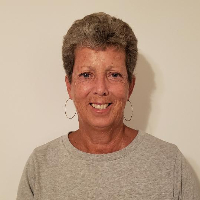
Angela Veach
LCPC
Illinois - 25 yrs exp

















How young adult issues therapy works for Illinois residents
When you begin looking for help with young adult issues in Illinois, the process often starts with identifying what you want to address and how you prefer to work with a clinician. Therapy for young adults typically focuses on common life transitions - leaving home, starting college, beginning a career, managing evolving relationships and exploring identity. Many therapists combine assessment, goal-setting and practical strategies to help you navigate those steps. Sessions may be offered in person in offices across the state or remotely by video or phone, and frequency can range from weekly appointments to biweekly check-ins depending on your needs and the therapist's recommendations.
In Illinois, clinicians hold a range of licenses and credentials. You will find licensed professional counselors, clinical social workers, marriage and family therapists and psychologists who list young adult issues as a primary focus. It is reasonable to expect an initial intake conversation that reviews your history, current concerns, and what success would look like for you. This early exchange gives you the chance to learn about the clinician's style and training and to decide whether you want to continue working together.
Finding specialized help for young adult issues in Illinois
Finding someone who really understands the young adult experience can make a difference. Look for clinicians who explicitly mention experience with transitions such as starting college or a first job, identity exploration, relationship patterns, and managing independence. Many professionals note experience with campus populations or early-career adults, which can be especially helpful if you are navigating college towns or urban centers like Chicago, Aurora or Naperville. Practitioners in larger cities may offer evening or weekend hours to accommodate student and work schedules. In smaller communities you might find clinicians with a generalist approach but deep local knowledge that helps with region-specific challenges.
When you browse profiles, pay attention to descriptions of approaches and populations served. Descriptions that explain how the clinician works - whether they focus on practical coping skills, deeper exploration of patterns, or a combination - will help you narrow your choices. If you are using insurance, check which clinicians accept your plan. If cost is a concern, some therapists offer sliding scale fees or short-term consultation options. College students may also have access to campus counseling services in Chicago and other university towns - those can be an accessible starting point while you explore longer term options in the community.
What to expect from online therapy for young adult issues
Online therapy has become a typical option for many Illinois residents and can be convenient if you balance school, work and social obligations. If you opt for remote sessions, you should expect to do an initial intake over video or phone. That session will cover what you are seeking help for, questions about scheduling and payment, and what to expect from the online process. You will also discuss boundaries around appointments, what happens in case of emergencies and the clinician's policies for missed sessions.
Online work tends to focus on the same goals as in-person therapy - building coping skills, clarifying values, addressing relationship dynamics and preparing for transitions. Many clients appreciate the flexibility of meeting from home or from a quiet space between classes or shifts. If you live in Illinois but travel frequently, be sure to confirm that the therapist is licensed to provide services in Illinois and that their practice supports remote work across the locations where you will be staying.
Preparing for your first online session
Before your first appointment, find a quiet spot where you feel comfortable speaking openly and where you can manage privacy and minimal interruptions. Have a list of the main issues you want to cover and any questions about the therapist's approach, fees and availability. If technology is new to you, test your camera and microphone ahead of time and ask about backup plans if connectivity issues occur. Clear expectations set early create a more productive working relationship.
Common signs you might benefit from young adult issues therapy
You might consider therapy if you are feeling stuck in ways that affect your day-to-day life - for example, if decision-making about school or career feels overwhelming, if relationships leave you feeling consistently drained or misunderstood, or if identity questions are causing distress that interferes with your goals. Other signs include difficulty adjusting to living away from home, trouble managing new responsibilities, repeated conflicts with partners or family, or a sense that you are not meeting your own expectations despite effort. These are common experiences among people in their twenties and early thirties, and seeking support is about learning tools and perspectives that help you move forward.
Therapy can also help if you want to improve communication skills, set healthier boundaries, or make changes in how you relate to others. Even if the challenges feel relatively mild, a few focused sessions can help you develop a plan and build momentum. In cities such as Chicago and suburbs like Naperville and Aurora, you may find clinicians with particular expertise in young adult transitions related to urban living, commuting, and balancing social life with career development.
Tips for choosing the right therapist for this specialty in Illinois
Choosing the right therapist is a personal process. Start by narrowing options to those who explicitly list young adult issues or related populations in their profiles. Read short biographies to get a sense of their approach - some clinicians emphasize skills-based work and goal setting, others emphasize exploration of identity and patterns, and many blend these elements. Consider practical details that matter to you - location, hours, whether they offer remote sessions, and whether they accept your insurance or offer a sliding fee if needed.
Contact potential therapists with a few brief questions before you schedule. Ask about their experience with concerns similar to yours, what a typical session looks like, and how they measure progress. It is reasonable to ask about typical appointment length and expected timeframes for seeing change. Trust your instincts about fit - feeling comfortable and heard in those initial conversations often predicts a more productive partnership. If the first clinician you try does not feel right, it is okay to try someone else. Therapy works best when you feel understood and when the approach matches your preferences and goals.
Local considerations and next steps
Living in Illinois gives you options - urban centers offer a wide range of specialists and evening availability, while smaller communities may provide continuity and familiarity with local systems. If you are a student, check campus resources as a first step, then use community listings to find longer term options if needed. Keep practical matters in mind as you choose - scheduling, cost and therapist availability often determine how consistently you can attend sessions.
Ultimately, seeking help for young adult issues is about investing in a clearer direction and better daily functioning. Start by reviewing clinician profiles, reach out with questions, and schedule an initial conversation to see how you connect. With the right match, therapy can provide perspective, skills and support as you navigate this formative stage of life in Illinois.