Find an LGBT Therapist in Indiana
On this page you'll find therapists who focus on LGBT care and serve people across Indiana. Browse the listings below to review clinicians' specialties, approaches, and availability to find a match for your needs.
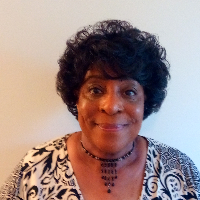








Brittany Snyder
LMHC
Indiana - 13 yrs exp















How LGBT therapy typically works for Indiana residents
When you look for LGBT-focused therapy in Indiana you are seeking clinicians who understand the particular experiences and stressors that come with sexual orientation and gender identity. Therapy sessions are organized around what you want to address - coming out, relationship dynamics, gender exploration, dealing with discrimination, or coping with anxiety and low mood. Many therapists begin with an intake session to learn about your history, current concerns, and goals, and then outline a plan that may include talk therapy, skills training, and referrals to other community resources when helpful. You remain in control of the pace and focus of treatment while the clinician offers professional perspectives and techniques aimed at improving your day-to-day functioning and overall well-being.
Licensure and local practice in Indiana
Therapists who list services in Indiana should be licensed to practice in the state. Licensure shows that a clinician has completed required training and supervision, and it also guides the scope of what they can offer. If you plan to use insurance, confirming a provider's licensure and network status can clarify coverage and expected costs. You can ask any therapist you contact about their license, credentials, and whether they have experience supporting LGBT clients in Indiana - a straightforward conversation that helps you assess fit before you commit to ongoing sessions.
Finding specialized LGBT help in Indiana
Specialized LGBT therapy can mean different things depending on your needs. Some clinicians identify as LGBT-affirming and have broad experience with sexual orientation and relationship issues, while others have in-depth training in gender-affirming care or trauma work tailored to the LGBT community. You can look for descriptions that reference affirming practices, experience with gender identity or transition-related support, or expertise in couples therapy when relationship concerns are central. Local community centers, campus counseling services, and peer networks in cities like Indianapolis, South Bend, and Fort Wayne often help point people toward clinicians who are known for thoughtful, respectful work with LGBT clients.
Local and regional considerations
Where you live in Indiana may shape how you access care. Larger cities such as Indianapolis and Fort Wayne typically offer a wider range of providers and specialties, while smaller towns may have fewer in-person options. If you live outside a major city - for example in a rural county - online therapy expands access to clinicians who might otherwise be unavailable locally. In Evansville and South Bend you may find both community-based resources and therapists connected with local health centers. When geography limits your choices, consider clinicians who combine in-person sessions with remote appointments to maintain continuity of care.
What to expect from online LGBT therapy
Online therapy has become a common and effective way to connect with LGBT clinicians across Indiana. Sessions are typically conducted by video or phone and follow a similar structure to in-person work - assessment, treatment planning, and regular talk therapy or skills practice. Online care is often more flexible with scheduling, which can make it easier to meet around work, school, or family commitments. If accessibility or anonymity is important to you, remote appointments can reduce barriers to getting started. Before your first online session ask about the clinician's technology requirements, how they handle scheduling and cancellations, and what to expect in terms of session length and payment.
Privacy and safety in virtual settings
When you choose online therapy you should also consider where you will take sessions so you can speak freely. Finding a quiet, uninterrupted room at home, in a car, or at a community space helps you get the most from the time with your therapist. It is reasonable to ask a clinician how they handle data and records, and to confirm that they are licensed in Indiana so you receive care governed by local practice standards. Discussing emergency procedures and what to do if you need immediate help is also a practical part of establishing treatment, especially when work is conducted remotely.
Common signs you might benefit from LGBT-focused therapy
You might consider seeking LGBT-specific therapy if you feel persistent stress related to your sexual orientation or gender identity, or if recent events - such as disclosure, relationship changes, or experiences of discrimination - have left you struggling to cope. Feelings of isolation or disconnect from community, repeated difficulties in romantic or family relationships, or distress about body image and identity may also lead you to look for specialized help. Additionally, if you are exploring gender identity or considering medical transition steps, a therapist with experience in gender-affirming care can offer supportive guidance and help you navigate emotional, relational, and practical decisions.
Practical tips for choosing the right LGBT therapist in Indiana
Choosing a therapist is a personal decision and there are a few practical steps you can take to make the process smoother. Start by reviewing clinician profiles to note languages spoken, therapeutic approaches, and stated areas of experience. Reach out to ask a few questions about their experience with issues similar to yours, their availability, and their approach to creating an affirming environment. It is appropriate to ask about experience supporting trans and nonbinary people if that applies to you, or about work with same-sex couples and family dynamics when relationships are central to your concerns. Consider logistics such as location, whether they accept your insurance, and whether they offer evening or weekend appointments if you need flexibility.
Trust and fit matter
Even experienced clinicians will differ in personality and style, so pay attention to how you feel after an initial conversation. Feeling heard and respected is a strong indicator of a good match. If something does not feel right, it is okay to try another clinician - effective therapy often depends on rapport and a sense of mutual trust. You can also ask about the length of treatment they typically recommend, what goals they will prioritize with you, and how they measure progress so you have a clearer sense of what working together would look like.
Preparing for your first sessions and next steps
Before your first appointment gather any relevant information such as brief medical history, previous therapy experiences, and questions you want to explore. Being prepared can make the initial sessions more productive and help you and the therapist set priorities. If you are seeking care related to medical transition, you may want to ask about collaboration with medical providers. If cost is a concern, discuss sliding scale options or referral resources in your area. Local LGBT organizations and support groups in cities like Indianapolis and South Bend can complement one-on-one therapy by offering peer connection and community events.
Finding an LGBT-affirming clinician in Indiana is a process that benefits from patience and inquiry. Use the profiles on this page to compare approaches and reach out to ask questions - small conversations up front can help you find a therapist who understands your experience and supports your goals. Whether you are seeking short-term guidance or ongoing therapy, there are options to fit different needs and lifestyles across the state.