Find a Queer Friendly Therapist in Indiana
This page highlights Queer Friendly therapists available to Indiana residents, with clinicians offering a range of approaches and backgrounds. Browse the therapist profiles below to compare specialties and connect with someone who fits your needs.
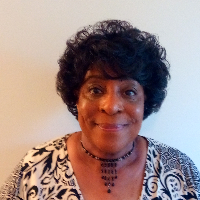








Brittany Snyder
LMHC
Indiana - 13 yrs exp















What Queer Friendly Therapy Looks Like in Indiana
Queer Friendly therapy is about more than pronouns and terminology - it is an approach that centers your identity, lived experience, and goals. In Indiana you will find clinicians who specialize in working with lesbian, gay, bisexual, transgender, queer, nonbinary, and gender-diverse people, as well as those exploring their identity. This specialty aims to create a respectful, informed therapeutic relationship where you can address coming out, relationship dynamics, gender transition, minority stress, family relationships, and everyday mental health concerns without needing to educate your clinician about basic LGBTQ+ experiences.
Therapists who identify as Queer Friendly may have additional training in culturally responsive care, trauma-informed approaches, or gender-affirming practices. They may offer individual therapy, couples work, family counseling, or group formats tailored to queer communities. Regardless of the setting, a Queer Friendly clinician will listen for how your identity intersects with other aspects of your life - such as race, religion, socioeconomic status, and disability - and tailor support accordingly.
How to Find Specialized Help in Indiana
Start by narrowing your search to therapists who list LGBTQ+ experience, gender-affirming care, or specific areas like relationship therapy or trauma work. Many clinicians working in Indianapolis, Fort Wayne, Evansville, and South Bend advertise their specialties and methods on their profiles, making it easier to match your needs. When reviewing profiles, pay attention to the therapist’s described approach, years of experience, and whether they mention working with people at your stage of identity exploration or transition.
It is reasonable to contact a few therapists to ask brief questions before scheduling an intake session. You can ask about their experience with issues similar to yours, how they approach gender or sexual orientation topics, and what a typical session looks like. A short conversation can give you a sense of whether their communication style suits you and whether they offer flexible options like evening hours or telehealth that fit your life.
Considerations for Rural and Urban Areas
Your location in Indiana can shape the options available to you. Larger cities like Indianapolis often have a wider range of specialists and clinics that focus on LGBTQ+ care, while smaller towns may have fewer local options. If you live outside a major city, online therapy widens your access to clinicians experienced in queer-affirming approaches across the state. Regardless of where you are based, you can look for therapists who demonstrate cultural understanding of the Midwest context and who are responsive to community-specific concerns.
What to Expect from Online Therapy for Queer Friendly Care
Online therapy can be a practical option if you want more choice or live far from major centers. When you choose a clinician in Indiana who offers online sessions, you can expect a session structure similar to in-person work - time spent checking in, setting goals, exploring emotions, and planning steps between sessions. Many therapists adapt therapeutic techniques to a virtual format while maintaining a focus on relationship-building, safety, and practical problem solving.
Before your first online appointment, ask about the therapist’s platform, policies on sessions that start late or need rescheduling, and how they handle emergencies or crises. Clarify where the therapist is licensed and whether they can provide services to you in your location. In Indiana, licensure and practice rules affect how clinicians deliver services, so asking about licensure is a practical part of your intake conversation. You should also discuss payment options, whether the clinician offers sliding scale fees, and whether they take your insurance.
Common Signs You Might Benefit from Queer Friendly Therapy
You might consider seeking a Queer Friendly therapist if you are experiencing persistent stress related to identity - such as anxiety around coming out, conflict with family members, or feelings of isolation tied to being a sexual or gender minority. Relationship challenges that involve communication, boundaries, or intimacy can often benefit from clinicians who understand queer relationship dynamics. If you are considering or undergoing a gender transition, working with someone knowledgeable in gender-affirming care can help you navigate social, medical, and legal considerations while attending to mental health.
Other indicators include recurring depression, anxiety that interferes with daily life, or trauma responses stemming from discrimination or harassment. You may also seek support when life transitions - starting a new relationship, moving to a different city, or planning for parenthood - raise identity-related questions. Therapy can be a space to explore these concerns, develop coping strategies, and build resilience while honoring who you are.
Tips for Choosing the Right Queer Friendly Therapist in Indiana
Finding the right fit often involves both practical and personal considerations. First, identify what you want from therapy - symptom reduction, identity exploration, skills for relationships, or support during transition. Then look for clinicians who list relevant specialties and approaches. Pay attention to availability and logistics such as whether they offer evening or weekend hours, in-person appointments in cities like Indianapolis or Fort Wayne, and online sessions if you live in Evansville or South Bend.
When you reach out, ask questions that matter to you. You can inquire about experience with gender-affirming care, work with families of queer people, or familiarity with intersectional concerns. Notice how the clinician responds to your questions - do they listen and validate your concerns, or do they seem dismissive? Trust and a sense of being heard are essential parts of effective therapy. If your first therapist is not a match, it is okay to try another clinician until you find someone with whom you feel comfortable and understood.
Financial and Practical Considerations
Costs and payment options vary. Some therapists accept insurance, while others work on a private-pay basis and may offer sliding scale fees based on income. If you plan to use insurance, check whether the clinician is in-network or whether your plan reimburses out-of-network providers. Ask about cancellation policies and how they handle missed sessions. For students, recent graduates, or those on limited budgets, community clinics in larger Indiana cities sometimes provide lower-cost services or referral options.
If you choose online therapy, check your internet connection, find a quiet space where you can speak without interruption, and ensure that your device is charged and updated. Arranging a consistent time and place for sessions can help you get the most from the work, whether you meet from a home office, a quiet car between commitments, or another setting where you feel comfortable and free to speak openly.
Working with Community and Local Resources
Therapy is often most effective when combined with community support. Indiana has local LGBTQ+ organizations, support groups, and community centers that can complement individual therapy by offering peer connection, legal resources, and social programming. In cities such as Indianapolis, Fort Wayne, Evansville, and South Bend you may find more in-person groups and events, while statewide directories and online community boards can help you locate resources if you live in a smaller town.
When appropriate, a Queer Friendly therapist can help you identify local or online groups that match your interests, provide letters of support for gender-affirming care when needed, and coordinate with other providers. You should feel empowered to ask a therapist how they connect clients with community resources and what referrals they can offer when you need specialized services.
Getting Started
Begin by clarifying your goals and reviewing therapist profiles to find clinicians who match your needs. Reach out with a short message or phone call to ask a few key questions about experience and logistics. Trust your instincts about fit - feeling respected and understood is an important part of making progress. Whether you live in a city center or a rural area, there are Queer Friendly therapists in Indiana who can support you as you navigate identity, relationships, and mental health.
Taking the first step may feel daunting, but connecting with a therapist who understands queer experiences can make a meaningful difference in your daily life and long-term wellbeing. Use the listings above to explore options, and know that seeking help is a sign of strength and self-respect.