Find a Smoking Therapist in Indiana
This page lists therapists who focus on smoking cessation and related behavioral treatment in Indiana. You can review profiles, specialties, and service options to find a good match.
Browse the listings below to compare clinicians who offer in-person care across Indiana and online appointments for added convenience.
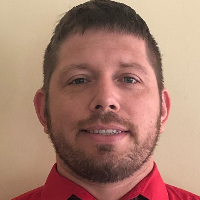

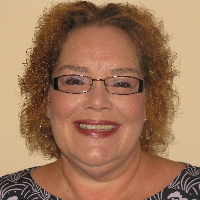



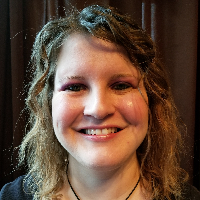








How smoking therapy works for Indiana residents
When you seek help for smoking, therapy is focused on changing patterns and building practical coping skills rather than offering a single quick fix. Therapists trained in smoking cessation use evidence-informed approaches to help you understand triggers, manage cravings, and plan for setbacks. In Indiana, clinicians will often begin with an intake conversation about your history with tobacco or nicotine, what has worked or not worked in the past, and your short- and long-term goals. From there, you and your therapist shape a plan that fits your life - whether you live in Indianapolis, commute through Fort Wayne, or prefer teletherapy throughout rural parts of the state.
Common therapeutic approaches
Cognitive-behavioral techniques are common in smoking therapy because they help you identify thought patterns and routines that keep smoking in place. Motivational interviewing can increase your readiness to change when you feel ambivalent. Some therapists integrate mindfulness training to reduce automatic responding to stress and urges. Many clinicians will also collaborate with your medical provider if medication options are being considered - the therapist focuses on behavior change while coordinating care if needed. The exact mix of strategies will be personalized to your needs and may evolve as you make progress.
Finding specialized help for smoking in Indiana
Finding the right therapist often begins with identifying someone who lists smoking cessation or tobacco-related behavior as a specialty. You can filter listings by location and by the types of care offered - for example, in-person appointments in Evansville or South Bend, and online sessions that serve people across the state. Look for descriptions that mention experience with quit planning, relapse prevention, and managing cravings. If you prefer a clinician who understands local resources, seek someone who notes familiarity with Indiana health services and community supports.
Licensing and geography
If you plan to use online sessions, confirm that the therapist is licensed to practice in Indiana. Licensing rules determine where a clinician can legally provide care by teletherapy, so verifying credentials protects the therapeutic relationship and ensures you are working with a clinician who meets state standards. Many therapists list their license type and state on their profile, which makes this quick to check.
What to expect from online therapy for smoking
Online therapy offers convenience and access to specialists who might not be available in your immediate community. Your first online visit will typically include an assessment of your smoking history, current triggers, and motivation to change. From there, sessions can include goal-setting, behavioral strategies for handling cravings, and homework assignments like tracking urges or practicing coping techniques between appointments. Technology also makes it easier to schedule shorter, frequent check-ins when you need more support during critical periods such as the first few weeks of quitting.
Practical considerations for teletherapy
When you choose teletherapy, ensure you have a private, quiet place to talk and a reliable internet connection. Discuss with your clinician how they handle between-session contact, cancellations, and emergency situations so you have clear expectations. If you live in a busy household in Indianapolis or travel for work between cities like Fort Wayne and Evansville, online care can reduce logistical barriers and make consistent treatment easier to maintain.
Signs you might benefit from smoking therapy
People seek therapy for smoking for many reasons. You might be ready to quit but find that willpower alone is not enough to stay tobacco-free. You may have tried to quit several times and want a structured plan to address what triggers relapse. If smoking is tied to stress, boredom, or routine activities - such as driving, socializing, or workplace breaks - a therapist can help you develop alternative coping strategies. Health-related concerns, pressure from loved ones, or changes in life circumstances like pregnancy or a new job often prompt people to look for support.
Emotional and behavioral indicators
If you notice that cravings interfere with daily tasks, that you feel unable to cut down despite wanting to, or that smoking is linked to anxiety or depression symptoms, therapy can offer tools to manage those emotional drivers. Relapse does not mean failure - it often indicates that the earlier strategy did not address underlying patterns. A therapist helps you learn from setbacks and build a plan that reduces triggers and strengthens coping skills over time.
Tips for choosing the right therapist in Indiana
Start by clarifying what matters most to you - do you want someone who offers intensive short-term support or a clinician who will provide longer-term counseling? Consider whether you prefer in-person care in a local office or the flexibility of online sessions. Reviewing therapist profiles for training in smoking cessation, cognitive-behavioral therapy, and motivational approaches can guide your choice. Experience with comorbid issues - such as anxiety, depression, or substance use - may be important if your smoking is tied to other challenges.
Logistics and compatibility
Practical details matter. Check availability - evening or weekend appointments may be essential if you work during the day. Ask about fees and whether the therapist accepts your insurance or offers a sliding scale. Trust your instincts about rapport: the best therapy relationship is one where you feel understood and supported. Many clinicians in larger cities like Indianapolis and Fort Wayne offer a range of scheduling options, while therapists in smaller communities may provide a more personalized local perspective.
Putting a plan into action
Once you choose a therapist, expect to set concrete short-term goals and track progress. You will likely practice coping strategies between sessions and revisit your plan when cravings or stressful events arise. Relapse prevention is an ongoing part of the work - therapists help you prepare for high-risk situations and identify steps to recover quickly if a slip occurs. Over time, many people find that the skills learned in smoking therapy apply to other areas of life too, improving stress management and decision-making.
Getting started
Begin by reviewing profiles on this page and reaching out to clinicians who match your needs. Ask about their experience with smoking cessation, typical session structure, and how they measure progress. If you live near Evansville or South Bend and prefer in-person care, check office locations and parking or transit options. If you choose online work, confirm state licensure and technical setup. Taking the first step to connect with a therapist can be the most meaningful move toward change.
Whether you are preparing for a quit attempt, recovering from a recent relapse, or simply curious about reducing your tobacco use, a therapist can offer structure, accountability, and skills that fit your life in Indiana. Use the listings above to compare options and reach out to clinicians who align with your goals and preferences.