Find a Narrative Therapy Therapist in Indiana
Narrative Therapy emphasizes how the stories you tell about yourself shape experience, helping people separate problems from identity and explore alternatives. You can find practitioners across Indiana who use this collaborative, strengths-based approach.
Browse the listings below to compare specialties, locations, and credentials and connect with a therapist who fits your needs.






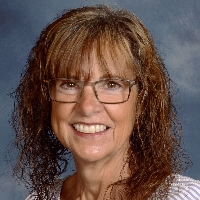




Lyn Cassin
LCSW
Indiana - 14 yrs exp

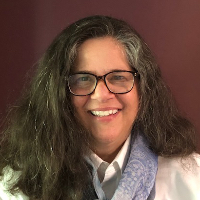
Elizabeth Toporas
LMFT
Indiana - 20 yrs exp









What Narrative Therapy Is
Narrative Therapy is an approach that treats problems as separate from people and pays close attention to the stories that shape how you understand your life. Rather than focusing on labeling or pathologizing, this method invites you to examine the language, values, and assumptions that influence a problem story and to explore alternative narratives that highlight strengths and possibilities. Therapists trained in this approach typically use conversational techniques to help you externalize difficulties - giving the issue a name rather than allowing it to define who you are - and to identify moments when the problem did not have the power it is assumed to have.
At the core of Narrative Therapy are practices such as deconstruction, which helps you notice how certain beliefs have come to dominate; identification of unique outcomes, where exceptions to the problem story are explored; and re-authoring, a process of developing new, more empowering stories that align with your values. The work is collaborative, respectful of your expertise about your own life, and often oriented toward practical changes in relationships and daily routines.
How Narrative Therapy Is Used by Therapists in Indiana
In Indiana, Narrative Therapy is practiced in a range of settings from private clinics in larger cities to smaller community practices serving rural areas. Clinicians often adapt narrative methods to fit local contexts - for example, integrating family and faith traditions that matter in particular communities or addressing workplace and educational pressures common in urban centers such as Indianapolis or Fort Wayne. Many therapists combine narrative techniques with other evidence-informed strategies to meet client needs, so you may find practitioners who blend narrative questions with skills-building, mindfulness, or trauma-informed care.
Because Indiana includes both densely populated metropolitan areas and wide rural regions, you can choose from in-person sessions in neighborhoods near you or online sessions that make narrative work accessible across the state. Practitioners in Evansville and South Bend may offer evening or weekend appointments to accommodate school and work schedules, and some clinicians have specific experience working with adolescents, couples, and families.
Issues Narrative Therapy Is Commonly Used For
Narrative Therapy is applied to a broad range of concerns where the stories people tell influence feelings and behavior. It is commonly used when you are dealing with anxiety or low mood that feels tied to recurring narratives about failure or worth. It can help when major life transitions - such as divorce, career change, or relocation - prompt you to re-evaluate who you are. Therapists also use narrative approaches with grief and loss, relationship conflicts, cultural and identity questions, and some forms of trauma work when a focus on meaning and identity is helpful to the person seeking support.
Because the approach emphasizes collaboration and meaning-making, it is frequently chosen by people who want to explore how social, familial, and cultural stories shape their options. If you are wrestling with messages you grew up with or societal expectations that feel limiting, narrative work can help you examine their origins and imagine different directions for your life.
What a Typical Narrative Therapy Session Looks Like Online
Online Narrative Therapy sessions usually follow a similar flow to in-person work, though the medium shapes practical details. A typical first session includes time to discuss why you are seeking help, a conversation about how you make sense of the current difficulties, and an explanation of the narrative approach so you know what to expect. The therapist will ask curious, open questions aimed at externalizing the problem - for example, naming the problem and exploring how it shows up in your life - and will invite you to describe moments when the issue had less influence.
Subsequent sessions involve deeper exploration of storylines, identification of values and skills you want to bring forward, and collaborative planning of small experiments or practices to test alternative narratives in everyday life. You might be invited to try journaling, keep track of exceptions to dominant stories, or role-play conversations that reflect a new sense of self. Online sessions typically run 45 to 60 minutes and require a quiet, comfortable environment on your end to allow for thoughtful reflection and dialogue.
Who Is a Good Candidate for Narrative Therapy
You may find Narrative Therapy particularly useful if you are interested in exploring how language and meaning shape your experience and if you prefer a conversational, collaborative therapeutic style. The approach tends to suit people who are ready to reflect on personal and cultural influences and to experiment with new ways of acting and relating. It is adaptable for adults and adolescents and can be used in individual, couple, or family work.
If you want practical strategies as well as opportunities to reframe longstanding beliefs, narrative methods can be combined with skills-focused interventions. People who are looking for a therapy that honors their life story and concentrates on building agency and identity often find narrative approaches empowering. If you are unsure whether it is a good fit, many therapists offer brief consultations so you can ask about their approach and see whether their style resonates with you.
How to Find the Right Narrative Therapy Therapist in Indiana
Start by looking for clinicians who list narrative approaches or narrative therapy training in their profiles, and pay attention to how they describe their work with specific concerns similar to yours. Consider practical factors such as whether you prefer in-person sessions in a city like Indianapolis, Fort Wayne, Evansville or South Bend, or whether telehealth is a better match for your schedule and location. Check licensing information to ensure the practitioner is authorized to practice in Indiana, and inquire about session length, fees, and whether they accept your insurance or offer sliding scale options.
When you contact a potential therapist, ask about their experience with narrative practices, how they typically structure sessions, and what kind of work they recommend between appointments. Notice whether their questions and explanations feel collaborative and whether you sense a rapport during your initial conversation. A good fit often comes down to how comfortable you feel discussing personal stories and whether the therapist's approach matches your goals - some people want a more directive style, while others prefer open-ended, exploratory work.
Practical Considerations for Indiana Residents
If you live outside a major city, online sessions can expand your options and connect you with narrative practitioners who may not be local. If local presence matters, look for clinicians who advertise offices in your region or who work with community organizations. Cultural awareness can be important in narrative work, so consider whether a therapist has experience with the communities you identify with, whether that relates to faith, ethnicity, socioeconomic background, or rural and urban life in Indiana.
Final Thoughts
Choosing a Narrative Therapy practitioner involves both practical decisions and an intuitive sense of fit. Take the time to read profiles, ask questions, and try an introductory session to see how the approach feels in practice. Whether you connect with a therapist in Indianapolis, meet with someone from Fort Wayne online, or work with a clinician based near Evansville, Narrative Therapy can offer a framework for shifting how you think about problems and for discovering new paths forward. Explore the listings below to begin that search and to find a practitioner who can support your next steps.