Find an Addictions Therapist in Iowa
This page presents profiles of therapists who focus on addictions and related concerns across Iowa. Listings include practitioners serving urban centers and rural communities alike. Browse the profiles below to review specialties, approaches and availability.

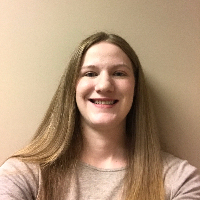
Katherine (Katie) Strub
LMHC
Iowa - 15 yrs exp





















How addictions therapy typically works for Iowa residents
If you are considering addictions therapy in Iowa, the process often begins with an initial assessment to understand patterns of use, related stressors and any co-occurring mental health concerns. That assessment shapes a personalized treatment plan that may include individual therapy, family involvement, group sessions and coordination with medical providers when medications are part of care. Many therapists use evidence-informed approaches that focus on building coping skills, increasing motivation for change and managing triggers and cravings. Therapy is intended to support practical changes in daily life while helping you strengthen relationships and rebuild routines that support recovery.
Across the state - whether you are in Des Moines, Cedar Rapids, Davenport or a smaller community - providers may work in outpatient clinics, counseling centers, community mental health programs or through telehealth. Your needs and the level of support you require will guide whether short-term outpatient work, longer-term therapy or referral to a higher level of care is recommended.
Assessment and treatment planning
During the first few sessions you can expect questions about the substances or behaviors of concern, frequency and patterns of use, and the impact on work, school, family and legal responsibilities. Therapists will also ask about physical health, sleep and mood, and about supports you already have in place. From there, goals are set collaboratively - these may include reducing use, developing relapse prevention skills, improving relationship functioning or stabilizing daily routines. Progress is revisited regularly so the plan can be adjusted as needs change.
Common therapeutic approaches
Therapists working with addictions often draw from cognitive-behavioral techniques to identify unhelpful thinking patterns and to build alternative coping strategies. Motivational interviewing is frequently used to clarify reasons for change and to strengthen commitment. Harm reduction approaches may be offered when complete abstinence is not the immediate goal. When medication-assisted treatment is appropriate, therapists commonly coordinate with prescribers and medical teams to support a comprehensive plan. Group and family therapy can provide valuable social support and help repair relationships affected by substance use.
Finding specialized addictions help in Iowa
Locating a therapist with specific addictions experience can make a meaningful difference. Look for professionals who list addiction-focused training, certifications or extensive experience with substance use concerns on their profiles. In larger cities like Des Moines and Iowa City you may find clinics and multidisciplinary teams that specialize in addictions, while providers in Cedar Rapids and Davenport may offer a mix of outpatient services and community-based supports. Rural counties often rely on regional clinics or telehealth to expand access, so consider both local and online options when searching.
It is also useful to ask therapists about experience with the particular substance or behavior you are concerned about, and with the population you belong to - for example adolescents, veterans or older adults. If medical treatment or detox is needed, a referral to local programs or hospitals may be part of the plan, and many therapists can help coordinate care with those services.
What to expect from online therapy for addictions
Online therapy has become a practical option for many people in Iowa, offering greater scheduling flexibility and access to clinicians who may not be located nearby. If you choose telehealth, sessions typically occur via video or phone and follow a similar structure to in-person appointments - assessment, goal setting and skill-building work. Online work can be especially helpful for people in rural areas or those juggling work and family responsibilities.
Before beginning, review how the therapist manages privacy and record-keeping and ask about emergency protocols and local resources in your area. Some therapeutic tasks are well suited to virtual sessions - such as cognitive-behavioral exercises and motivational conversations - while other needs, like medically managed withdrawal, will require in-person medical care. Being clear about logistics, technology needs and scheduling will help you get the most from online sessions.
Signs that someone in Iowa might benefit from addictions therapy
There is no single sign that indicates therapy is needed, but several patterns often suggest it could help. If use is interfering with work, school or family responsibilities, or if repeated attempts to cut back have been unsuccessful, these are common reasons people seek support. Increased secrecy, changes in sleep and appetite, withdrawal symptoms when not using and legal or financial problems related to use are also signals that professional help may be useful. Relationship strain, persistent cravings and feelings of shame or helplessness about substance use can further indicate a need for therapeutic support.
For young people, changes in academic performance, social withdrawal or risky behaviors may point to underlying substance concerns. If you are worried about safety - for example severe withdrawal symptoms or thoughts of harming yourself - seeking immediate medical attention or crisis support is important. A therapist can help you weigh options and connect with local resources when more intensive care is needed.
Tips for choosing the right addictions therapist in Iowa
When evaluating therapists, pay attention to credentials and clinical experience, but also to the way a clinician communicates during an initial phone call or consultation. Ask about their approach to relapse, their experience with co-occurring conditions such as anxiety or depression, and whether they coordinate care with medical providers. Inquire about options for family involvement if loved ones will be part of recovery, and ask how they handle crisis situations outside of sessions.
Consider practical factors such as location, evening or weekend availability, telehealth options and whether the clinician accepts your insurance or offers a sliding scale. Cultural fit matters - you should feel heard and respected. If an initial match does not feel right, it is reasonable to try a different clinician until you find someone whose style and expertise align with your needs. Many therapists offer brief consultations to help you decide whether to proceed.
Navigating logistics and cost
Insurance coverage for addictions therapy varies. Medicaid, private insurance and employer plans may cover outpatient therapy and certain addiction services, while other supports may be available through community mental health centers or university training clinics. Ask about session fees, cancellation policies and any additional costs for group work or specialty programs. If cost is a barrier, inquire about sliding scale fees or referrals to publicly funded programs in your county or region. Employee assistance programs can also be a route to short-term support.
When to consider more intensive support
Outpatient therapy meets the needs of many people, but there are times when higher levels of care are appropriate. If withdrawal risks are high, if there has been repeated unsuccessful treatment at lower levels, or if there are severe co-occurring mental health concerns, you may be referred to medical detox, residential treatment or intensive outpatient programs. Therapists in Des Moines, Cedar Rapids and other larger centers can often help coordinate transitions to these services and provide ongoing outpatient follow-up.
Finding the right addictions therapist in Iowa involves combining practical considerations - such as location and cost - with attention to clinical fit and experience. Whether you start with an in-person clinician in a nearby city or choose online sessions to fit a busy schedule, a thoughtful assessment and a collaborative treatment plan can help you move toward the changes you want. Use the listings above to explore profiles, read about specialties and contact clinicians to learn more about how they approach addictions treatment in Iowa.