Find an Attachment Issues Therapist in Iowa
This page lists therapists in Iowa who work with attachment issues, offering details on approaches, credentials, and locations. Browse the profiles below to compare providers and find one that fits your needs.

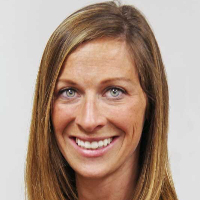
Katherine (Katie) Strub
LMHC
Iowa - 15 yrs exp




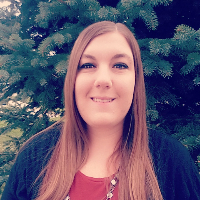







Jennifer Redlin
LMHC, LPC
Iowa - 9 yrs exp










How attachment issues therapy works for Iowa residents
If you are exploring help for attachment-related concerns, therapy typically begins with an assessment of relationship patterns and emotional responses. In a first few sessions you and a therapist will talk about early caregiving experiences, your current close relationships, and specific situations where you feel stuck or hurt. That assessment shapes a treatment plan that may include talk therapy, experiential exercises, and skills practice aimed at building trust, regulating emotions, and improving communication in relationships. Therapists trained in attachment work often draw on evidence-informed methods that help you notice how past patterns repeat in the present and try new ways of relating that feel more manageable and connected.
Finding specialized help for attachment issues in Iowa
When you look for a specialist in attachment issues in Iowa, consider clinicians who highlight attachment theory, trauma-informed care, or relational approaches in their profiles. You can search by city or region to find someone near you in Des Moines, Cedar Rapids, Davenport, or Iowa City, or else choose a clinician who offers statewide telehealth. Many therapists indicate training in specific models such as attachment-based family therapy, emotionally focused therapy, or therapies that incorporate developmental and relational perspectives. Reading therapist bios and approach descriptions will help you identify practitioners who emphasize relationships, early development, and practical strategies you can use with partners, family members, or on your own.
What to expect from online therapy for attachment issues
Online therapy in Iowa has made it easier to reach clinicians with specialized training without long commutes. If you choose teletherapy, expect sessions that mirror in-person work - time to share your story, guided exercises, and opportunities to practice new responses. Therapists may use video to observe nonverbal cues and to coach you through experiments that build closeness or boundaries with others. You should also discuss logistics such as appointment length, payment options, emergency plans, and whether the therapist offers in-person sessions in nearby clinics or community centers. For many people, online sessions allow for more consistent attendance, which can be especially helpful when reworking longstanding attachment patterns that benefit from steady practice.
Technology and accessibility
Technology can open doors to therapists in different parts of Iowa and to clinicians with niche training. If internet quality is a concern in your area, ask about audio-only sessions or local spaces where you can connect with a reliable signal. Many therapists are willing to adapt session formats to match your comfort and access. It is reasonable to ask about how they handle session privacy, documentation, and follow-up between appointments so you feel informed about the process.
Common signs that someone in Iowa might benefit from attachment issues therapy
You might consider seeking attachment-focused therapy if you notice patterns that keep reappearing in your relationships and cause distress. This can look like chronic fear of abandonment or an intense need for reassurance, repeated cycles of pushing partners away, difficulty trusting others even when they are supportive, or challenges in parenting that leave you feeling unsure or overwhelmed. People often notice that their reactions in current relationships mirror how they felt in childhood, with emotions that escalate faster than the situation warrants. If these patterns harm your ability to form stable adult relationships or interfere with daily functioning, therapy can offer tools to notice triggers, slow down reactive responses, and build new relational habits.
Tips for choosing the right therapist for attachment work in Iowa
Choosing a therapist is a personal process and you may want to try more than one clinician before you find the best fit. Look for a clear description of the therapist's approach, including how they define attachment work and what goals they set with clients. Consider clinicians who balance empathy with practical guidance - those who can hold sensitive material while offering concrete strategies and homework to integrate new skills. It helps to read about a therapist's training, years of experience, and whether they work with individuals, couples, or families. If location matters, you can prioritize clinicians with offices in Des Moines, Cedar Rapids, Davenport, or Iowa City, or opt for a therapist who offers flexible online appointments to fit your schedule.
Questions to ask during your first contact
When you reach out for an initial consultation, ask about typical treatment length, how progress is measured, and what a usual session looks like. You may also inquire about their experience with issues similar to yours and whether they include partners or family members in therapy when relevant. A thoughtful therapist will welcome questions and should be able to describe a collaborative plan that fits your values and life circumstances. Trust your impressions about how well the clinician listens and whether they create a comfortable environment for emotional work.
How therapy can be tailored to Iowa communities
Iowa has a wide mix of urban and rural communities, and therapy that works in Des Moines may look different from approaches used in smaller towns. Therapists familiar with local culture can help you navigate community-specific stressors like family ties, local work demands, or access to resources. If you live in a smaller community, you might prefer a clinician who understands regional dynamics and can suggest community supports or group options. Conversely, if you live in a city like Cedar Rapids, Davenport, or Iowa City, you may have access to specialty groups, workshops, or clinics with teams that offer a broader range of services. Either way, your therapist should tailor interventions to your daily life and the supports you have nearby.
Practical steps to get started
Begin by identifying a few therapists whose approaches resonate with you, paying attention to availability and whether they offer the format you prefer. Reach out for a brief phone or video consultation to discuss goals and logistics. During that conversation, notice how the therapist explains treatment and whether you feel heard about your concerns. Once you start sessions, plan for gradual shifts - attachment work often progresses through small, consistent changes rather than immediate transformation. Keep track of moments of progress and setbacks, and bring them to sessions so your therapist can help you refine strategies. Over time, consistent work can help you develop more stable relational patterns and greater choice in how you connect with others.
Moving forward with confidence
Finding a therapist who understands attachment issues can feel empowering. Whether you seek help in Des Moines, Cedar Rapids, Davenport, Iowa City, or elsewhere in the state, an informed clinician can partner with you to explore the roots of your patterns and to practice new ways of relating. Take your time to find a fit, ask practical questions up front, and prioritize a therapeutic relationship that feels respectful and collaborative. With steady work and clear goals, therapy can open opportunities for more rewarding connections and a greater sense of emotional balance in daily life.