Find a Codependency Therapist in Iowa
This page connects visitors with therapists in Iowa who focus on codependency, showing credentials, specialties, and service formats. Browse the listings below to find providers in Des Moines, Cedar Rapids, Davenport, Iowa City and other communities across the state.

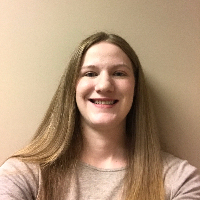
Katherine (Katie) Strub
LMHC
Iowa - 15 yrs exp






















How codependency therapy typically works for Iowa residents
If you are exploring codependency therapy in Iowa you will find approaches that help you understand patterns in relationships and build healthier boundaries. Most therapists start with an initial assessment - a conversation about your current concerns, relationship history, and what you hope to change. From there a treatment plan is developed that may include individual sessions, couple work if relevant, and skill-building exercises to practice between appointments.
Therapy for codependency often integrates insight-oriented work with practical strategies. You can expect to explore how family dynamics, past caregiving roles, and communication habits contribute to your current challenges. At the same time you will practice concrete skills such as asserting needs, identifying personal values, and managing emotional triggers. Over weeks and months many people report increased clarity about what they want in relationships and more confidence in asking for those needs.
Approaches you may encounter
Therapists in Iowa draw on several evidence-informed modalities when working with codependency. Cognitive-behavioral approaches help you spot unhelpful thinking and replace it with more balanced perspectives. Emotion-focused work supports you in recognizing and regulating feelings without becoming overwhelmed. Attachment-informed therapy explores how early relationship patterns shape your expectations and reactions in adult relationships. Some therapists also incorporate family systems ideas to address interaction patterns that maintain codependent dynamics.
Your therapist may combine these approaches depending on your goals. In Des Moines and Cedar Rapids you are likely to find clinicians who emphasize skill-based therapies, while smaller communities may offer therapists with strengths in longer-term relational work. Wherever you are in Iowa, the key is to find someone who explains their approach clearly and matches the pace and focus you prefer.
Finding specialized help for codependency in Iowa
When looking for a specialist start by reading therapist profiles to learn about training and experience with codependency, relational issues, or related areas such as trauma or addiction-impacted relationships. Look for clinicians who describe working with boundary setting, caregiving roles, or recovery from reactive patterns in relationships. Many therapists will note whether they have experience with family systems, couples therapy, or individual approaches that tend to help people dealing with codependency.
Geography matters in a state like Iowa where urban centers and rural areas offer different options. If you live near Des Moines, Cedar Rapids, Davenport or Iowa City you will likely have a broader selection of in-person therapists to choose from. If you are in a smaller town or prefer a more flexible schedule, online sessions can expand your options and let you work with a therapist who has a strong specialty focus even if they are based elsewhere in the state.
Local considerations
Community resources such as support groups, workshops, and educational programs may be available in larger Iowa cities and can complement therapy. Universities and community mental health centers often host events or maintain referral networks that you can explore. If access or cost is a concern, ask therapists about sliding scale fees, reduced-rate clinics, or referrals to trusted providers who offer different payment options.
What to expect from online therapy for codependency
Online therapy is widely available in Iowa and can be a good fit if you need flexibility or live outside major urban centers. When you choose remote sessions you can expect structured video or phone appointments that follow a regular schedule, along with potential email or messaging check-ins if your therapist offers them. Technology requirements are usually minimal - a reliable internet connection, a quiet room, and a device with camera and microphone will cover most needs.
Therapeutic work online mirrors in-person treatment in many ways, but it also offers specific advantages for codependency work. Some people find it easier to talk openly from their own home, which can make practicing boundary-setting and emotional regulation feel more relevant to daily life. Online therapy also makes it easier to access clinicians who have specialized training in attachment, family systems, or relational patterns without being limited by location.
Before beginning online work confirm practical details such as session length, cancellation policies, and how notes are kept. Discuss how the therapist manages emergencies and after-hours concerns, so you know what to expect if an urgent situation arises. You should also talk about how to create a comfortable environment at home for sessions - for example, finding a private corner or using headphones to reduce distractions and maintain focus.
Common signs that you might benefit from codependency therapy
You might consider seeking therapy if you notice persistent patterns of prioritizing others to the extent that your own needs are neglected, or if you repeatedly find yourself in relationships where you feel responsible for other people's moods and choices. If saying no feels nearly impossible, or you feel anxious when a partner or family member expresses unpleasant emotions, these are often indicators that relational boundaries could use attention.
Other signs include difficulty identifying what you want apart from a partner, staying in unhealthy relationships out of fear of abandonment, or experiencing high levels of caretaking that lead to burnout. You may also recognize recurring cycles - intense involvement followed by emotional depletion - that leave you feeling resentful, powerless, or unsure of your own values. Therapy can help you untangle these patterns and build a more balanced way of relating.
Tips for choosing the right therapist for codependency in Iowa
Start by clarifying what you hope to change and what type of support feels most helpful - practical skills, insight into relational history, couples work, or family involvement. Use that clarity to narrow your search. Read profiles closely to find therapists who mention relevant specialties and training, and pay attention to whether they describe a collaborative approach that invites your input on goals and homework.
When you contact a clinician ask about their experience with codependency and related issues, how they typically structure sessions, and what kinds of outcomes other clients have achieved. Inquire about logistics such as insurance acceptance, fees, session formats, and whether they offer evening or weekend appointments that fit your schedule. Trust your instincts during initial conversations - a good therapeutic fit often comes down to feeling understood and respected.
If you are balancing work, family, or travel between cities like Des Moines and Iowa City, consider whether you prefer in-person sessions or the flexibility of online appointments. If you are seeking couple or family therapy, look for clinicians who explicitly offer those services and who can accommodate joint sessions. Finally, remember that it is reasonable to try a few sessions and reassess whether the therapist's style and methods are helping you move toward your goals.
Moving forward with care in Iowa
Starting codependency therapy is a step toward clearer boundaries, healthier relationships, and greater self-awareness. Whether you connect with a clinician in Davenport, meet someone online, or find a therapist near Cedar Rapids, the important part is finding a provider who listens, explains their approach, and helps you build practical tools for change. Use the listings above to compare profiles, reach out for a brief consultation, and choose the person who feels like the right partner for the work you want to do.