Find a Cancer Therapist in Kansas
This page connects Kansas residents with therapists who focus on the emotional and practical challenges of living with cancer. Review clinician profiles and service options below and browse listings to find a match in Wichita, Overland Park, Kansas City, or elsewhere in the state.

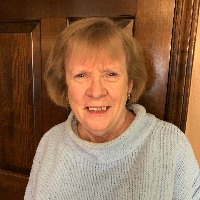



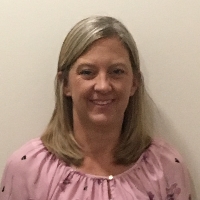




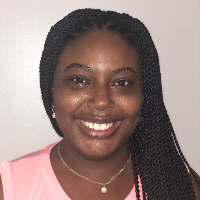




How cancer therapy typically works for Kansas residents
When you seek therapy related to cancer, the process usually begins with an initial assessment in which a therapist asks about your current concerns, medical context, support network, and what you hope to achieve. That first meeting gives you a chance to describe symptoms like anxiety, low mood, sleep disruption, or relationship strain and to learn how the therapist structures treatment. Many clinicians who work with people affected by cancer blend time-limited approaches aimed at coping and symptom relief with longer-term work on meaning, identity, and adjustment. For people in rural parts of Kansas, this care may be offered entirely online or through a combination of telehealth and in-person sessions in regional centers.
Finding specialized help for cancer in Kansas
Finding a therapist who understands cancer means looking for experience with oncology-related issues - grief, anticipatory anxiety, changes in body image, caregiver stress, and the emotional fallout of diagnosis and treatment. Some therapists list specialties such as psycho-oncology, grief counseling, or chronic illness support in their profiles. You can begin by searching for those keywords and then reading therapist biographies to see whether they have experience collaborating with medical teams or supporting family members as well as patients. In larger metro areas like Wichita or Kansas City you may find clinicians who hold additional certifications in trauma-informed care or in modalities commonly used with medical populations. Overland Park and Topeka also have clinicians who combine clinical training with practical experience in hospitals, cancer centers, and community programs.
Working with local medical teams and resources
Therapists who work with cancer patients often coordinate with your broader care team when appropriate. That coordination can mean sharing coping strategies that complement medical treatment, helping you prepare for appointments, or offering guidance to caregivers on communication and boundaries. If you are receiving treatment at a hospital or oncology clinic in Wichita or another city, ask whether the facility has a patient navigator or social work team that provides referrals to mental health professionals. Community-based cancer support organizations in Kansas can also help with practical needs and may offer group programs that pair well with individual therapy.
What to expect from online therapy for cancer
Online therapy expands access, especially for people who live far from major centers or who are managing treatment schedules. In Kansas, teletherapy can allow you to meet with a clinician from home, a quiet office, or another comfortable environment. Sessions may follow a similar structure to in-person meetings: check-in, focused work on coping skills or processing difficult emotions, and planning between sessions. Some therapists offer shorter check-in appointments or more flexible scheduling to accommodate medical treatments and energy levels. When selecting an online clinician, check whether they note experience with oncology-related concerns and whether they clarify their approach to technology, session length, and emergency procedures for local crises.
Benefits and practical considerations
Online therapy can reduce travel time and make it easier to maintain continuity if you need to relocate temporarily for treatment. It can also broaden your choices so you can find a clinician whose approach and background match your needs, whether you are in the suburbs of Overland Park or in a rural county. Practical considerations include your internet reliability, a quiet place to meet, and whether your insurance or payment arrangement covers teletherapy. It is common to discuss communication preferences and scheduling flexibility up front so that therapy fits your treatment timeline and energy levels.
Common signs that someone in Kansas might benefit from cancer therapy
You might consider therapy if you notice persistent anxiety about medical appointments or test results, ongoing feelings of hopelessness or numbness, difficulty sleeping, or changes in appetite. Therapy can also help when relationships are strained by the emotional demands of illness, when caregiving responsibilities feel overwhelming, or when returning to work and daily routines raises new challenges. If you are avoiding medical follow-up or find that everyday tasks are consistently unmanageable, those are practical signals that additional support could be helpful. Caregivers and family members can also benefit from therapy when stress, burnout, or communication breakdowns affect household functioning.
Tips for choosing the right therapist for cancer-related care in Kansas
Begin by clarifying what you want from therapy - short-term coping skills, processing grief, family support, or long-term psychotherapy. Look for therapists who list cancer-related experience or who describe working with chronic illness, grief, or medical trauma. Read biographies to understand therapeutic orientation, such as cognitive-behavioral techniques, mindfulness-based approaches, or narrative and meaning-centered work. It is reasonable to ask potential therapists about their experience with medical teams, their approach to medication concerns in collaboration with prescribers, and how they support caregivers.
Consider logistics that matter in Kansas. If in-person visits are preferred, look for clinicians close to major hubs like Wichita, Overland Park, or Kansas City. If travel is difficult, prioritize clinicians who offer teletherapy and are licensed to work with Kansas residents. Ask about availability, typical session length, and whether they offer evening or weekend appointments to fit around treatment schedules. Discuss fees and insurance coverage up front, and inquire whether sliding scale options are available if cost is a concern. Finally, trust your sense of fit - a strong therapeutic relationship often matters as much as clinical expertise.
Practical questions to ask during a first call
When you contact a therapist for the first time, you might ask about their experience with oncology-related concerns, how they structure early sessions, and what kinds of strategies they typically use to help clients manage stress and uncertainty. You can also ask about personal nature of sessions practices, how they handle crises or urgent concerns, and whether they have experience supporting caregivers. If language, culture, or faith are important to you, check whether the clinician has experience in those areas. A brief phone or video consultation can help you determine whether the therapist’s style and practical arrangements align with your needs.
Finding ongoing support beyond individual therapy
Therapy is one part of a broader network of supports. In Kansas, you can often find group programs for people with cancer, caregiver support groups, and community resources that address transportation, financial concerns, and survivorship planning. Support groups can provide connection and practical tips, while individual therapy offers space to work on personal meaning and coping. Many people find that combining group and individual work gives them both peer understanding and focused therapeutic attention.
Next steps
As you browse the directory, prioritize clinicians whose training and experience align with your goals and whose scheduling and session format fit with treatment demands. If you are connected to a treatment center in Wichita, Overland Park, Kansas City, or Topeka, ask about referrals. When you contact a therapist, a short initial conversation can clarify fit and logistics. Taking that step can help you find emotional support that complements medical care and helps you navigate the practical and emotional changes that often accompany a cancer diagnosis.