Find a First Responder Issues Therapist in Kentucky
This page connects you with therapists in Kentucky who focus on first responder issues, including trauma, stress, and burnout. Browse the listings below to compare clinicians serving Louisville, Lexington, Bowling Green and surrounding areas, and reach out to schedule an initial consultation.
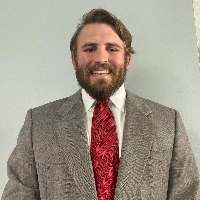





Kelly Mitchell
LPCC
Kentucky - 13 yrs exp


















How first responder issues therapy works for Kentucky residents
If you are a first responder in Kentucky - whether you work in emergency medical services, fire and rescue, law enforcement, corrections, or another public safety role - therapy for first responder issues is tailored to the kinds of high-stress exposures and shift work you face. A typical first step is an intake conversation where you and a therapist review what brought you to seek help, your current concerns, your work schedule, and any practical constraints like coverage during night shifts. From there you and the clinician collaborate on goals, which can include managing stress, processing traumatic calls, improving sleep, reducing irritability, or strengthening relationships affected by the job.
Therapists who focus on first responder issues often use trauma-informed approaches and practical skills-based work. That means sessions balance safety and stabilization with coping strategies you can use between calls or shifts. Therapy can take place in-person if you prefer to meet with someone in Louisville, Lexington, Bowling Green or another community, or it can be arranged remotely so you can fit sessions around irregular hours. You can expect the pace to be adjusted to what feels manageable for you, and the emphasis to be on strategies that apply directly to the demands of public safety work.
Finding specialized help for first responder issues in Kentucky
When you search for a therapist who understands first responder work, credentials and experience matter, but so do personal fit and approach. Look for clinicians who list experience with first responders, trauma-related stress, critical incident stress, or occupational burnout. Many clinicians in Kentucky hold licenses such as LPC, LCSW, or clinical psychology credentials and pursue continuing education in trauma-focused therapies or resilience training specific to emergency personnel.
Geography plays a role in what is available near you. Urban centers like Louisville and Lexington tend to offer more clinicians with specialized training, but clinicians in smaller cities and rural areas often have practical knowledge of local first responder cultures and constraints. If you work irregular shifts or are based outside major cities, online therapy expands your options and allows you to connect with a therapist who understands your line of work even if they are not physically nearby. Peer support and local efforts within departments can be useful complements to individual therapy, and some employers in Kentucky offer employee assistance options that can help you find a clinician or cover initial visits.
What to expect from online therapy for first responder issues
Online therapy gives you flexibility when shift patterns make daytime appointments difficult. Sessions typically take place over video calls, phone calls, or messaging platforms, and you can choose the mode that fits your comfort level and schedule. In the first few remote sessions you can expect the clinician to ask about your recent exposures, baseline functioning, sleep, substance use, and how work is affecting your relationships. They will also discuss practical considerations like session length, frequency, fees, and how to handle crises between sessions.
Therapists offering remote services in Kentucky generally adhere to state licensing rules, which means the clinician will be licensed to practice with residents of Kentucky. If you live in an area such as Bowling Green or more rural counties, this arrangement can connect you with specialists you would not otherwise have access to. Because your work can involve sudden calls or unpredictable hours, many clinicians will discuss contingency plans - how to handle acute distress, who to contact for immediate support, and how to use brief skills in moments of high stress. Online therapy also makes it easier to integrate family members into some sessions if you want relationship-focused work without travel.
Common signs that someone in Kentucky might benefit from first responder issues therapy
You might be wondering whether what you are feeling warrants professional help. Signs that therapy could be useful include persistent sleep disruption that does not improve, frequent intrusive memories or replaying of difficult incidents, avoidance of people or places that remind you of work events, and increased irritability or emotional numbing that impacts personal relationships. You may notice a rise in alcohol or other substance use to manage stress, or find performance and decision-making at work affected by fatigue or anxiety. These experiences do not mean you are weak - they reflect the cumulative impact of repeated exposure to critical incidents and the toll of sustained high-alert work environments.
If you have noticed changes in mood, concentration, or connection with loved ones after a significant call or over time, reaching out to a therapist can give you space to process those experiences and develop strategies to manage them. Early support can help prevent stress from becoming more entrenched, and it can also offer ways to rebuild resilience that fit the realities of your shifts and responsibilities.
Tips for choosing the right therapist for this specialty in Kentucky
Start by clarifying what you want from therapy - whether that is short-term skills for sleep and stress management, long-term processing of traumatic events, help with relationships, or tools to reduce reliance on substances. When you review clinician profiles, look for specific mention of first responder work, trauma-focused techniques, or experience with shift work. Asking questions in an initial call helps you understand whether a therapist’s approach fits your needs - for example, how they adapt for overnight or weekend schedules, how they handle critical incident work, and what kinds of therapy modalities they use.
Consider practical matters as well. Availability for evening or weekend sessions can be important, as can familiarity with insurance processes if you plan to use benefits. If you prefer in-person care, search for options in larger cities like Louisville or Lexington where specialized practitioners may be concentrated, but keep in mind that telehealth can bridge geographic gaps and offer access to clinicians with targeted expertise even if they are located elsewhere in Kentucky. Trust your sense of connection after a first visit - feeling heard and understood by someone who respects first responder culture is a key part of successful work.
Next steps and how to begin
Taking the first step can feel daunting, but many therapists offer brief phone or video consultations so you can ask a few questions before committing to a full session. Use those conversations to check on scheduling options given your shift pattern, the therapist’s experience with first responder issues, and how they approach safety planning between sessions. If you are looking in a specific area, begin with the listings on this page to compare clinicians in Louisville, Lexington, Bowling Green and beyond, and reach out to two or three providers to find a good match.
Therapy for first responder issues is practical and collaborative. It is designed to fit around the demands of your profession and to give you tools that apply directly to the moments when you feel most strained. Whether you prefer meeting in person in a nearby city or working remotely from your station or home, help is available and tailored to the realities of public safety work in Kentucky. When you are ready, browse the profiles below and contact a clinician to start a conversation about what supports will work best for you.