Find a Chronic Illness Therapist in Louisiana
This page lists therapists in Louisiana who specialize in chronic illness, offering support for people managing long-term health conditions. Browse the profiles below to compare approaches, locations and availability across New Orleans, Baton Rouge, Shreveport and other communities.


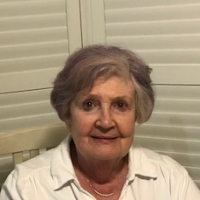








Alfred Robelot Jr
LCSW
Louisiana - 31 yrs exp












How chronic illness therapy works for Louisiana residents
When you seek therapy for chronic illness, the work usually focuses on improving daily functioning, managing symptoms that affect mood and relationships, and building coping strategies that fit your life in Louisiana. Sessions often combine practical problem-solving with emotional support - helping you address fatigue, pain, grief, role changes and the ongoing uncertainty that a long-term health condition can bring. A therapist will typically begin by learning about your medical history, current symptoms, treatment routines and the specific ways the illness affects your work, family and recreational life.
The pace and focus are shaped around what matters most to you. Some people want help with mood regulation and anxiety that accompanies frequent medical appointments. Others need tools to communicate needs to family, employers or medical teams. Therapists trained in chronic illness can guide you through adjusting goals, preserving a sense of identity beyond illness, and building routines that conserve energy while maintaining meaningful activities.
Finding specialized help for chronic illness in Louisiana
Finding a therapist who understands chronic illness means looking for clinicians with relevant training and lived experience with long-term conditions. You can start by searching listings by specialty and reading therapist profiles to learn about their approaches, such as acceptance-based therapies, cognitive behavioral techniques adapted for chronic pain, or health psychology-informed care. Given the geographic spread in Louisiana, you may prefer someone near you in New Orleans, Baton Rouge, Shreveport or Lafayette, or you may choose a therapist who works statewide via telehealth.
Referrals can come from many places. Your primary care provider or specialist may recommend mental health professionals who regularly collaborate with medical teams. Local clinics, support groups, patient advocacy organizations and community health centers often have lists of therapists who focus on long-term conditions. If you are connected to a university or medical center, behavioral health departments sometimes offer specialized services or can point you to clinicians who work with chronic illness.
What to expect from online therapy for chronic illness
Online therapy has become a practical option for many people managing chronic illness, especially when mobility, fatigue or frequent medical visits limit how often you can leave home. With virtual sessions, you can meet a therapist from your home, from a quiet car between appointments, or from a workplace break room. Online therapy can reduce travel time and make it easier to maintain continuity of care, particularly if you live outside major metro areas like New Orleans or Shreveport where local options may be more limited.
In an online session you can expect many of the same therapeutic techniques offered in person - skills training, emotional processing, behavioral experiment and goal setting - adapted to the virtual environment. Therapists will discuss how to create a comfortable environment for sessions, plan for technology needs and establish what to do in the event of a medical emergency during a session. If you rely on remote care, confirm that a therapist is licensed to practice in Louisiana and that their scheduling aligns with your treatment plan and medical appointments.
Common signs you might benefit from chronic illness therapy
You might consider therapy if your chronic condition affects more than your physical health. Persistent low mood, increased anxiety about symptom flares or medical procedures, difficulty maintaining relationships or work, trouble sleeping and loss of interest in activities you used to enjoy are common reasons people seek help. You may also struggle with the emotional fallout of changing roles in the family, chronic grief over losses caused by illness, or difficulties adhering to medical regimens because of fatigue, pain or financial stress.
Therapy can be helpful if you notice that pain or symptoms dominate your day-to-day decisions, if you are avoiding medical care out of fear, or if past trauma interacts with current health needs. It is also useful when you want to learn practical pacing strategies to conserve energy, techniques to manage stress that worsens symptoms, or ways to communicate needs to caregivers and employers without feeling guilty. Recognizing the need for support is a strong first step toward improving quality of life.
Tips for choosing the right therapist in Louisiana
Choosing the right clinician begins with reflecting on what you need from therapy. Consider whether you want a therapist with a background in pain management, health psychology, behavioral medicine, trauma-informed care, or a faith-informed approach. Read profiles to understand the therapist's approach to chronic illness and whether they mention collaboration with medical teams or experience with conditions similar to yours.
Practical factors matter. Look for clinicians whose scheduling, fees and insurance participation fit your budget and daily routine. Ask about sliding scale fees, cancellation policies and whether they coordinate care with your doctors when needed. If you live in a rural part of Louisiana, telehealth options can widen your choices and allow you to work with someone based in New Orleans, Baton Rouge or Shreveport without travel. When you contact a therapist, it is reasonable to ask a few brief questions about experience with chronic illness, typical treatment goals and how they measure progress.
Matching personal style and therapeutic fit
Therapeutic fit is important. You should feel heard and respected in your sessions, and your therapist should be willing to learn about the specifics of your condition and treatment. Some people prefer a therapist who offers direct skills training and homework, while others look for a therapist who focuses on emotional processing and meaning-making. You can ask for a short initial consultation to get a sense of the therapist's style before committing to regular appointments. Trust your judgment - if a clinician's approach does not feel helpful after a few sessions, it is okay to explore other options.
Working with medical teams and community resources in Louisiana
Effective chronic illness care often involves collaboration. You may find it beneficial when your therapist communicates with your medical providers, with your consent, to align goals and avoid conflicting recommendations. Therapists who understand the realities of outpatient clinics, rehabilitation services and insurance processes can help you navigate appointments and advocate for needed accommodations at work or school. In cities like New Orleans and Baton Rouge, there are often multidisciplinary teams and community programs that address social determinants of health; a therapist can connect you to these resources when appropriate.
Community connections are valuable. Local support groups, illness-specific associations and online communities can provide peer validation and practical tips. Your therapist can help you evaluate which groups are a good fit and how to balance peer input with professional medical guidance. If transportation or access is a barrier, ask potential therapists about hybrid care models or community-based programs that bring services closer to you.
Getting started and what to expect next
Starting therapy for chronic illness is a step toward reclaiming agency in day-to-day life. You can begin by reviewing profiles on this page, narrowing options by approach and availability, and reaching out to ask a few clarifying questions. In early sessions you will typically set short-term and long-term goals, identify immediate coping needs, and plan how therapy will fit alongside medical care. Over time you can expect to refine strategies, measure small wins in functioning and symptom management, and adjust goals as your condition and circumstances change.
Living with a long-term health condition can be challenging, but with the right therapeutic support you can build resilience, improve coping and maintain connections that matter. Whether you are in New Orleans, Baton Rouge, Shreveport, Lafayette or a smaller community in Louisiana, there are clinicians whose experience aligns with the complexities of chronic illness. Use the listings below to begin your search and find a therapist who can partner with you on the next phase of your care.