Find a Chronic Pain Therapist in Louisiana
This page connects you with therapists in Louisiana who focus on chronic pain management and related coping strategies. You can explore practitioner profiles across the state, including listings in New Orleans, Baton Rouge, Lafayette, and Shreveport. Browse the listings below to compare approaches, availability, and areas of expertise.


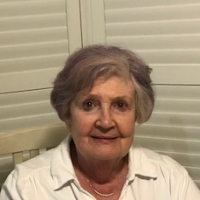








Alfred Robelot Jr
LCSW
Louisiana - 31 yrs exp










How chronic pain therapy works for Louisiana residents
If you live in Louisiana and are dealing with ongoing pain, therapy can help you develop tools to manage daily life and improve overall functioning. Chronic pain therapy typically combines education about pain, psychological strategies to change unhelpful thoughts and behaviors, and practical skills for pacing activity, managing stress, and improving sleep. Therapists trained in chronic pain often coordinate with your medical providers so that mental health care complements medications, physical therapy, or interventional treatments when those are part of your plan.
Therapy begins with an assessment to understand how pain affects your mood, activity, relationships, and work. From there you and your therapist set measurable goals - perhaps improving sleep, increasing activity tolerance, or reducing pain-related anxiety - and choose approaches that fit your needs. Over weeks to months you practice strategies in sessions and in daily life, tracking progress and adjusting the plan as necessary.
Typical approaches used in chronic pain therapy
You will commonly encounter cognitive behavioral therapy as a foundation for pain work. This approach helps you identify patterns of thought and behavior that can make pain feel worse and teaches alternative responses. Acceptance and commitment approaches focus on living a meaningful life even when pain is present by clarifying values and building flexible action plans. Other techniques include relaxation training, pacing strategies to avoid boom-and-bust cycles, sleep hygiene, and gradual activity exposure to rebuild confidence. Some therapists offer pain education classes and teach methods to manage flare-ups and stress.
Finding specialized help for chronic pain in Louisiana
When searching for a therapist who understands chronic pain, start by looking for clinicians who list pain-related training or experience in their profiles. You may want someone who has worked with conditions similar to yours, such as long-term musculoskeletal pain, nerve pain, fibromyalgia, or pain after injury. In larger cities like New Orleans and Baton Rouge you will find a wider range of specialists and multidisciplinary clinics. Shreveport and Lafayette also host clinicians experienced in chronic pain and are good places to look if you live in northern or central regions of the state.
If you live in a rural area, consider therapists who offer telehealth to maintain continuity of care. Ask whether a therapist has experience coordinating with physicians, pain specialists, or rehabilitation teams so your care is integrated. Verifying that a therapist is licensed in Louisiana and holds relevant training in behavioral pain management can help ensure they are equipped to support your goals.
Local resources and care networks
Major hospitals and rehabilitation centers in New Orleans and Baton Rouge often provide access to multidisciplinary pain programs, and many community clinics have referral pathways to behavioral health providers. Support groups and community rehabilitation services can also be useful adjuncts to therapy, offering peer perspectives and practical tips for daily life. If you are unsure where to begin, a therapist listing that includes practice location, accepted insurance, and treatment focus can help you narrow options based on logistics and clinical approach.
What to expect from online therapy for chronic pain
Online therapy is a convenient option for many people in Louisiana, particularly if travel is difficult or you live far from major centers. Through video or phone sessions you can work on the same cognitive and behavioral skills you would receive in person. Teletherapy supports regular appointments, which is important for building new habits, and makes it easier to continue care during weather disruptions or when you have mobility limitations.
Before starting online therapy, check technology requirements and choose a quiet, comfortable environment where you can focus. Your therapist will likely use digital worksheets, activity logs, and guided exercises during sessions and may assign between-session tasks to practice skills at home. Some types of work - for example, physical assessments or hands-on interventions - may still require in-person visits, so discuss how your therapist collaborates with local providers when needed.
Insurance coverage and payment options vary, so confirm whether telehealth sessions are covered under your plan and whether the therapist bills directly. If language or cultural fit matters to you, look for clinicians who offer bilingual services or who mention experience with Louisiana communities and cultures.
Common signs you might benefit from chronic pain therapy
You may find therapy helpful if pain is limiting your ability to work, sleep, or participate in activities you once enjoyed. When pain leads to withdrawing from social life, avoiding movement for fear of worsening symptoms, increased worry about flare-ups, or frequent mood changes such as persistent low mood or heightened irritability, behavioral strategies can make a meaningful difference. Difficulty managing medications, feeling stuck in a cycle of overactivity followed by long rest periods, or having trouble following rehabilitation plans are also reasons to seek specialized therapy.
Therapy can be valuable when you want to build skills for pacing activity, cope with the emotional impact of long-term pain, or improve sleep and energy levels. You do not need a diagnosis to reach out - many people benefit from an initial consultation to explore whether this type of care fits their needs.
Tips for choosing the right therapist in Louisiana
Start by narrowing options based on logistics - whether you prefer in-person sessions near New Orleans, Baton Rouge, Shreveport, or Lafayette or need ongoing telehealth. Then consider clinical fit. Look for therapists who explicitly list chronic pain, pain management, or related approaches such as cognitive behavioral therapy or acceptance-based methods in their profiles. Experience with conditions similar to yours can help, as can a willingness to coordinate with your medical team.
Read profile descriptions to learn about a therapist's typical session structure and whether they work with families or offer shorter consultations to set goals. If cultural background, language, or age-range experience is important to you, choose someone who mentions that work in their profile. During your first contact, ask about session length, expected frequency, how progress is measured, and whether they use homework or activity tracking. A good therapist will explain their approach and invite questions about how therapy will fit into your life.
Practical considerations and questions to ask
When you reach out, ask about availability, how they handle cancellations, and whether they accept your insurance or offer self-pay rates. Clarify how they coordinate care with physicians or physical therapists if that is relevant to you. It is also reasonable to ask about outcome goals and how long they expect treatment to take, while keeping in mind that timelines vary by individual. If telehealth is an option, ask how they conduct sessions and what technology you will need.
Preparing for your first sessions and next steps
Before your first appointment, gather relevant information such as a brief health history, a list of medications, and notes about how pain affects your day-to-day life. Keeping a short pain diary for a week can help you and your therapist identify patterns and triggers. Be prepared to discuss your goals - whether you want better sleep, more activity, or improved mood - and bring questions about the therapeutic approach.
Once you find a therapist who feels like a good fit, plan to give the process time. Behavior change takes consistent practice, and many people notice gradual improvements in coping and function. If you do not feel comfortable with a therapist after a few sessions, it is okay to look for someone else who better matches your needs and communication style. In larger centers like New Orleans and Baton Rouge you may have more immediate options, while telehealth expands choices across the state.
Exploring the therapist listings on this page is a practical first step. Review profiles, consider logistics such as location and hours, and reach out to a few clinicians to learn more about their approaches. With the right match and a clear plan, therapy can become part of a broader strategy to help you live more fully despite chronic pain.