Find a Queer Friendly Therapist in Louisiana
This page connects you with therapists in Louisiana who identify as queer friendly and offer LGBTQ+ affirmative care. You will find profiles from urban centers and smaller communities across the state. Browse the listings below to compare specialties and reach out to clinicians who match your needs.

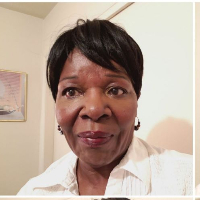
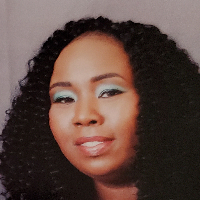

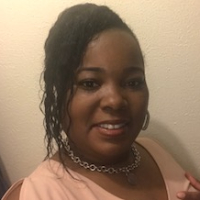

Wendi Lemoine
LCSW
Louisiana - 10 yrs exp















How queer friendly therapy works for Louisiana residents
Queer friendly therapy is an approach that centers respect for sexual orientation and gender identity and adapts clinical work to reflect the lived experience of LGBTQ+ people. If you live in Louisiana you can expect therapists who advertise this specialty to emphasize affirmation, cultural competence, and an awareness of community contexts that shape your life. That may include addressing discrimination, family relationships, coming out questions, gender transition support, or the impact of social and religious norms in different parts of the state.
Services are offered in a range of formats - in-person appointments in cities like New Orleans, Baton Rouge, Shreveport, and Lafayette as well as remote sessions that make it easier to connect if you are outside major metropolitan areas. Many clinicians combine evidence-informed therapeutic techniques with a trauma-aware lens and attention to minority stress, allowing you to work on practical goals while processing how identity and environment interact.
Finding specialized help for queer friendly work in Louisiana
Begin by clarifying what kind of support you want. You might be looking for short-term coping strategies, long-term therapy for chronic stress or depression, family therapy, couples work, or support around gender transition. Once you know your priorities, look at therapist profiles for information about licensure, population focus, and clinical approaches. Pay attention to language that signals respect for gender and sexual diversity, such as use of chosen names and pronouns, experience with trans healthcare coordination, or an explicit commitment to affirmative practice.
Geography matters in a state as varied as Louisiana. Urban areas like New Orleans often have larger networks of queer-affirming providers and community resources, while smaller towns may offer fewer in-person options. If local availability is limited, consider clinicians who provide remote care across the state. You can also reach out to local community centers, student health services, or advocacy groups for recommendations, especially if you want someone experienced with specific issues like relationship dynamics, substance use, or navigating faith communities.
What to expect from online therapy for queer friendly care
Online therapy can broaden your choices and let you work with therapists who specialize in LGBTQ+ issues even if they are based in another part of Louisiana or a neighboring state. When you choose teletherapy, you should expect clear information about how sessions are delivered, what platform will be used, and how to manage scheduling and cancellations. Many providers offer a brief initial consultation so you can assess rapport and whether their style fits your needs.
In remote sessions you will still work through the same emotional and practical concerns as in-person care - exploring identity, coping with stressors, processing relationships, and planning concrete steps for safety and wellbeing. You should feel able to talk about pronouns, name changes, medical referrals, and legal questions related to name or gender marker updates. If you anticipate needing coordination with medical providers or soliciting letters for gender-affirming care, ask about a therapist's experience with those processes during your first contact.
Common signs you might benefit from queer friendly therapy
You might consider seeking queer friendly therapy if you are feeling persistently isolated or misunderstood because of your sexual orientation or gender identity. This can look like repeated anxiety around disclosing to friends or family, ongoing relationship strain, or recurring thoughts about safety in work or community settings. You may also be dealing with stress related to gender transition, such as navigating medical decisions, workplace accommodations, or family responses.
Other reasons to reach out include struggling with mood changes, substance use that feels related to identity stress, or a desire to strengthen resilience and self-acceptance. If you find that faith, culture, or community expectations create regular conflict with your sense of self, a queer friendly therapist can help you explore those tensions and develop strategies that honor both your wellbeing and your values.
Tips for choosing the right therapist for queer friendly work in Louisiana
Start with practical filters - location, availability, insurance acceptance, and licensure in Louisiana. Confirming that a therapist is licensed to practice in the state is important because licensure determines what services they can legally provide and how they handle clinical documentation. If you rely on insurance, contact the provider or your insurer to verify coverage and out-of-pocket costs before scheduling.
Look beyond credentials to fit. Read bios and watch for explicit statements about working with LGBTQ+ clients, experience with trans health matters, and use of inclusive practices such as asking for pronouns and using chosen names. If a profile includes a photo or a video introduction you can often get a sense of the person's communication style. Many therapists offer brief phone or video consultations, which are an opportunity to ask about their approach to topics important to you and to gauge comfort level.
Consider intersectional factors that affect your experience. For example, you may want a clinician who understands the interplay of race, class, religion, and region in Louisiana life. If language is a priority, look for therapists who offer services in the language you prefer or who have experience working with bilingual clients. If you are a student or veteran, ask whether the clinician has relevant experience with those populations. Trust your instincts - if you do not feel heard or respected in early sessions, it is acceptable to look for a different fit.
Practical questions to ask during a first contact
When you reach out, prepare a few practical questions. Ask about their experience with LGBTQ+ issues, how they work with gender-affirming care if relevant, and whether they provide referrals for medical or legal resources. Inquire about session length, frequency, fees, cancellation policy, and whether they accept your insurer or offer sliding scale fees. If you plan to use teletherapy, confirm technical requirements and whether they can provide services across different Louisiana parishes.
It is also reasonable to ask about their approach to crisis situations and how to get support outside scheduled sessions. Knowing how a therapist manages urgent needs can help you feel more comfortable beginning work, and it offers insight into the kinds of safety planning they use.
Finding ongoing support and community in Louisiana
Therapy is one element of support. You may find that combining individual work with peer groups, community events, or online forums enhances your progress. Cities like New Orleans and Baton Rouge host social and educational gatherings, and community centers and advocacy organizations often maintain lists of providers, support groups, and resources for legal or medical assistance. If you live in a more rural area, remote groups and statewide organizations can help you connect to peers and additional services.
Remember that the right therapeutic relationship can change how you navigate daily life, relationships, and long-term goals. Give yourself permission to interview providers until you find someone who understands your priorities and helps you build practical strategies to meet them. If a therapist in Shreveport or Lafayette seems promising but you prefer remote sessions, many clinicians will offer that flexibility so geography does not limit your choices.
Next steps
Take a moment to identify what matters most to you in therapy - whether that is experience with particular identities, flexible scheduling, affordability, or medical coordination. Use the listings on this page to filter and compare profiles, and reach out to a few therapists for brief consultations. You do not need to commit to a long-term plan on your first call - the goal of initial contacts is to find someone who listens, respects your identity, and helps you take the next step toward wellbeing in a way that fits your life in Louisiana.