Find a Personality Disorders Therapist in Maine
This page lists therapists in Maine who focus on personality disorders, with profiles that describe their approaches, credentials, and areas of expertise. Browse the listings below to compare clinicians in Portland, Lewiston, Bangor and other communities across the state.



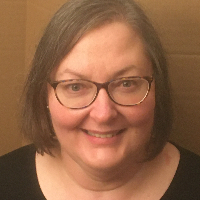



Lynn Tijssen
LCPC
Maine - 21 yrs exp



How personality disorders therapy typically works for people in Maine
When you begin therapy for personality-related challenges in Maine, you are likely to start with an assessment that explores your history, relationship patterns, emotional experiences, and current difficulties. That initial conversation helps your clinician understand which treatment styles may fit you best and whether short-term or longer-term work is most appropriate. In Maine, care can look different depending on whether you work with a private practitioner, a community mental health center, or a clinic attached to a hospital or university. Regardless of setting, effective treatment tends to focus on helping you recognize longstanding patterns, learn practical skills for managing emotions and relationships, and build a more sustainable way of living.
Engaging in assessment and treatment planning
You and your therapist will set goals together. These goals often include reducing patterns that cause repeated conflict or distress, improving emotional regulation, and strengthening relationships. Your clinician may use standardized questionnaires along with a conversational interview to build a shared picture of what is most important to address first. In many cases you will revisit goals over time as progress unfolds and new priorities emerge.
Finding specialized help for personality disorders in Maine
Finding a clinician in Maine who has focused experience with personality disorders makes a difference. Look for therapists who list experience with approaches known to help with persistent relational and emotional difficulties. A clinician’s training in areas such as dialectical behavior therapy, schema therapy, mentalization-based therapy, or psychodynamic approaches can be a useful indicator that they have relevant experience. You can start your search on this page and then read profiles to see which clinicians emphasize the approaches that resonate with you.
Where to look and how geography affects access
Access varies across the state. If you live near urban centers like Portland, Lewiston, or Bangor you may find a wider range of specialists and more frequent appointment availability. In smaller towns and rural parts of Maine you might have fewer in-person options, which can make flexible scheduling or online sessions especially important. Community mental health centers can offer care if cost or insurance is a concern, and university-affiliated clinics may provide access to clinicians-in-training who work under supervision.
What to expect from online therapy for personality disorders
Online therapy has become a practical option for many people in Maine, offering access to clinicians who may not practice near you. When you pursue virtual sessions, expect a structure similar to in-person care - assessment, goal setting, skill building, and ongoing review - but with added considerations around technology and boundaries. Sessions are typically scheduled like traditional appointments, and many clinicians blend online and in-person visits depending on your needs and local regulations.
Benefits and practical considerations
Online therapy can reduce travel time and help you connect with specialists geographically distant from Portland or Bangor. It also makes it easier to maintain continuity if you move within the state or have a seasonal schedule. Before you begin, make sure you have a reliable internet connection and a private, comfortable environment where you can speak openly. Clarify expectations about emergency procedures, cancellations, fees, and how to reach your clinician between sessions if needed.
Common signs that someone in Maine might benefit from personality disorders therapy
You might consider seeking specialized help if you notice repeated patterns that interfere with relationships, work, or daily functioning. These can include intense and rapidly shifting emotions, persistent difficulties trusting others, frequent conflicts that repeat in similar ways, or trouble maintaining stable self-image and goals. You may also feel stuck in patterns even after trying different strategies on your own, or experience recurrent crises that leave you feeling overwhelmed. If these patterns cause distress for you or significant strain in your relationships, therapy can provide a space to explore what drives those patterns and to practice alternative ways of relating.
When relationships and daily life are affected
For many people the tipping point is when coping strategies start to limit life choices - when you avoid meaningful relationships, change jobs frequently because of interpersonal conflict, or find it hard to manage stress in ways that feel sustainable. You may also notice that small disagreements escalate or that you respond to stress with behaviors that are later regretted. These are practical signs that working with a therapist experienced in personality-focused treatment could be helpful.
Tips for choosing the right therapist for this specialty in Maine
Selecting the right clinician often comes down to a combination of clinical skill and fit. Begin by looking for therapists who explicitly note experience treating personality-related conditions and who describe the modalities they use. You do not need to find someone who offers every possible approach - what matters more is that they can explain their method clearly and that their approach feels like a good match for how you prefer to work.
Questions to ask and practical considerations
When you contact a clinician, ask how they typically work with people who have long-term interpersonal patterns, what kinds of tools they teach, and how they handle moments of crisis or strong emotion. Inquire about session length, frequency, fees, and whether they accept your insurance. If you live outside major centers like Portland or Lewiston, ask about telehealth options and how the clinician manages coordination with local services if needed. Trust your sense of whether you can be open with the person, and consider scheduling an initial consultation to assess the working relationship.
Working with a therapist over time - building change in daily life
Therapy for personality-related concerns is often an incremental process. You can expect a mix of practical skill-building - such as learning techniques to manage intense emotions or improve communication - and deeper exploration of relationship patterns and personal history. Progress may feel non-linear; some weeks you will experience shifts and new insights, and other times you may revisit old patterns before a change takes hold. Your therapist will support you in translating insights into everyday practices that fit your life in Maine, whether that means navigating family ties, workplace dynamics, or local communities in Portland, Bangor, or smaller towns.
Finding community supports and next steps
You do not have to manage complex relational patterns alone. Alongside individual therapy, you may find value in group skills training, peer support programs, or workshops offered by regional mental health organizations. These resources can help you practice new ways of relating in a social context. If you are unsure where to begin, your clinician can help map out options that complement your therapy goals and local needs.
Choosing therapy is a personal step that combines practical criteria - training, approach, availability - with how comfortable you feel with a clinician. Use the listings on this page to learn more about providers in Maine, read their profiles carefully, and reach out for a consultation. Taking that first step can open a path toward greater stability in relationships and more consistent emotional well-being across your life in Maine.