Find a Queer Friendly Therapist in Maine
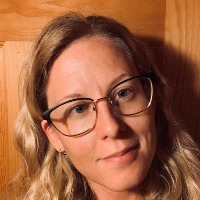
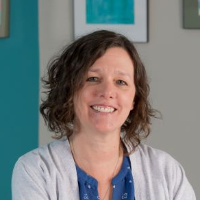
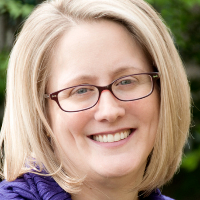
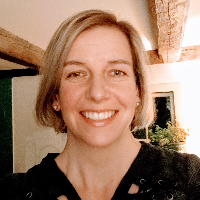
This page highlights queer friendly therapists who serve people across Maine, with options for different ages, identities, and life experiences. Browse the listings below to compare areas of focus, approach, and availability in your region.















How queer friendly therapy works for Maine residents
If you are seeking therapy that acknowledges and affirms queer identities, you will likely notice a few features that set queer friendly care apart from general mental health support. Queer friendly therapists prioritize respect for sexual orientation and gender identity, use affirming language, and stay informed about the social and legal issues that affect LGBTQ+ people in Maine and beyond. Whether you live in a city like Portland or a smaller coastal or inland community, therapists who advertise as queer friendly aim to create a supportive environment where your identity is seen as an important part of your story rather than a problem to be fixed.
The practical flow of queer friendly therapy resembles other counseling models - you can expect an initial consultation or intake that assesses your current needs, goals, and preferences. From there, your therapist will work with you to choose a therapeutic approach that matches your situation. That might include talk-based therapies, trauma-informed care, family systems work, or support focused on relationships, gender transition, or coping with discrimination. Many practitioners also collaborate with medical providers or community resources when gender-affirming care or legal guidance is needed.
Finding specialized queer friendly help in Maine
Finding a therapist who truly understands queer experiences often starts with clear search criteria. When you look at listings in Maine, pay attention to how clinicians describe their experience with LGBTQ+ clients, whether they list specific training in gender-affirming care, and whether they note experience with the particular issues you want to address - for example coming out, relationship counseling, or intersectional concerns like race and sexuality. You can prioritize professionals located near major hubs such as Portland, Lewiston, or Bangor if you want in-person options, or expand your search statewide if online sessions are acceptable.
Local community centers, student health services, and advocacy organizations often have referral lists or recommendations that reflect lived experience rather than only clinical credentials. That perspective can be especially helpful in smaller towns where recommendations by word-of-mouth matter. When you contact a therapist, you can ask about their experience with queer clients, what inclusive practices they use in session, and how they handle questions about names, pronouns, and medical referrals. These conversations will give you a clearer sense of whether their approach aligns with your needs.
What to expect from online therapy for queer friendly support
Online therapy expands access across Maine, making it easier to connect with clinicians who have specific queer affirming expertise even if you live far from Portland, Lewiston, or Bangor. With teletherapy, you can work with someone who has a strong depth of experience with certain identities or issues, rather than choosing from the small pool of providers in your immediate area. Sessions typically follow the same structure as in-person care - initial assessment, collaborative goal setting, and ongoing sessions - but you will meet via a video platform, phone, or messaging depending on what the therapist offers.
When you try online sessions, make sure you understand the therapist's policies for handling records and communications so you feel confident about how your information is managed. It is also important to choose a setting where you can speak freely - for some people that means scheduling sessions while at work with earbuds, for others it means sitting in a parked car between errands or in a quiet room at home. If you are concerned about someone overhearing, discuss options with your clinician so you can find a setup that protects your ability to speak openly.
Common signs you might benefit from queer friendly therapy
You might consider queer friendly therapy if you feel ongoing stress or distress related to your sexual orientation or gender identity, or if experiences of bias and rejection are affecting your mood, sleep, relationships, or daily functioning. Difficulty navigating coming out decisions, worry about family reactions, confusion about gender or sexual identity, and questions around dating or relationship boundaries are all reasons people seek queer friendly care. You may also be dealing with identity-related trauma, workplace discrimination, or compounded stress from multiple marginalizations that feel hard to sort through on your own.
Other signs include feeling socially isolated, noticing a pattern of unsatisfying relationships, struggling with body image or changes after starting hormones, or feeling stuck when you try to make life transitions. If you are a caregiver or family member trying to support a queer loved one, therapy can offer guidance on communication and boundaries. Seeking help does not mean something is wrong with you - it means you are taking steps to find strategies and support that reflect your lived experience.
Tips for choosing the right queer friendly therapist in Maine
Start by clarifying what you need from therapy - emotional processing, support during transition, relationship work, or crisis management. Once you know your goals, read therapist profiles carefully to see how they describe their work with queer clients. Look for language that signals inclusivity, such as mention of pronoun use, gender-affirming practices, or experience with specific populations like trans and nonbinary people or queer youth. If you prefer in-person work, focus on practitioners near Portland, Lewiston, or Bangor to minimize travel time; if you want more choices, consider telehealth options that serve people throughout the state.
When you contact a potential therapist, consider asking about their training and how they approach issues you care about. A short phone or email consultation can help you assess whether you feel heard and respected. Ask about practical matters too - scheduling, fees, sliding scale options, insurance acceptance, and what to expect during your first sessions. Trust your instincts about interpersonal fit - many people determine whether a therapist is a good match after one or two sessions, and it is acceptable to continue searching until you find the right fit.
Consider access and convenience
Logistics matter when you commit to regular therapy. If transportation or regional availability is an issue, online therapy can bridge gaps for people living in rural Maine. If you prefer in-person meetings, check if a clinician is within easy reach from your community or near public transit in cities like Portland. Consider appointment hours if you work irregular shifts or have caregiving duties. Many therapists offer evening or weekend slots to accommodate diverse schedules.
Building a therapeutic relationship
Once you begin sessions, you will get a better sense of the therapist's style - whether they are more directive, reflective, or skills-based. A queer friendly clinician will support your agency, respect your pace, and collaborate on goals that feel meaningful to you. It is normal to take a few sessions to establish trust. If at any point you feel dismissed about your identity or invalidated by the approach, you have the option to bring that up in session or to seek another provider whose methods resonate more with you.
Making the most of therapy in Maine
To get the most out of queer friendly therapy, come prepared with the topics you want to explore and be as open as you feel comfortable being. You might bring questions about local resources, referrals for medical providers who are affirming, or strategies for handling specific situations at work or school. Over time you and your therapist can track progress and adjust the approach to better fit your evolving needs. Therapy can be a place to reclaim your sense of self, strengthen resilience, and connect with practical tools that help you navigate life in Maine with more confidence.
Whether you are in a city like Portland, in the college areas around Lewiston, or in the quieter regions near Bangor, there are queer friendly therapists who aim to meet you where you are. Use the profiles above to start meaningful conversations and take the next step toward support that recognizes who you are and what matters to you.