Find a Sexual Trauma Therapist in Maine
This page highlights clinicians who work with sexual trauma survivors throughout Maine. You will find profiles that describe each therapist's approach, location, and how to connect with them.
Browse the listings below to compare specialties and availability in Portland, Lewiston, Bangor, and other communities across the state.







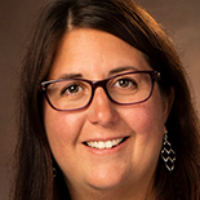


Lynn Tijssen
LCPC
Maine - 21 yrs exp







Understanding sexual trauma therapy for Maine residents
When you begin looking for help after sexual trauma, you are looking for more than techniques - you want a therapist who understands the complex emotional, relational, and sometimes physical aftermath of that experience. In Maine, therapists approach this work through a trauma-informed lens, emphasizing safety, pacing, and collaboration. That means your healing plan will be tailored to your needs, whether you are seeking short-term symptom relief, longer-term processing, or support rebuilding relationships and day-to-day functioning.
Therapy often combines therapeutic talk with body-aware and skills-based approaches. Some people focus on developing coping skills to manage anxiety, flashbacks, or sleep disruption. Others work with evidence-informed trauma treatments that target how traumatic memories and stress responses are stored in the body and mind. No matter the method, an important part of the process is building trust with a clinician who respects your pace and priorities.
How therapy typically progresses
Most therapists begin with an intake conversation where you and the clinician review history, current concerns, and goals. Early sessions often focus on creating a predictable structure and learning immediate skills to reduce distress. As you and your therapist build rapport, you may move into deeper work - addressing painful memories, shifting beliefs about safety and self-worth, and practicing new ways of relating to others. Progress is not linear; you may notice improvements in some areas while challenging memories or emotions surface in others. A good therapist will normalize that ebb and flow and help you plan for steps forward.
Finding specialized help in Maine
Finding a clinician who specializes in sexual trauma makes a difference. Specialized providers often have training in trauma-informed care, approaches such as trauma-focused cognitive behavioral work, eye movement techniques, somatic therapies, and group modalities that focus on recovery from sexual violence. When you search listings, look for descriptions that highlight trauma work, experience with survivors, and additional qualifications such as certificates, supervised trauma training, or ongoing professional development in the field.
Geography matters in a state like Maine, where travel time can be significant. If you live near urban centers such as Portland, Lewiston, or Bangor, you may have more in-person choices and access to community programs and support groups. In more rural areas, you might rely on clinicians who offer flexible hours or hybrid models. Local health centers, university counseling clinics, and community organizations can also be points of referral when you need specialized support.
Working with local resources
Community-based resources can complement individual therapy. Advocacy organizations, support groups, and campus services can provide immediate practical assistance and peer connection. You can ask a therapist for referrals to local programs in Portland or to services that serve northern or coastal communities. Therapists often coordinate with other providers when you need medical care, legal information, or case management, always centering your preferences and consent.
What to expect from online therapy for sexual trauma
Online therapy has expanded access for many people in Maine, especially those outside major population centers. When you choose remote sessions, you can connect with clinicians who specialize in sexual trauma even if they are located in a different city. Online sessions typically use video, phone, or messaging formats and can be scheduled with more flexibility around work, family, and travel commitments.
Before starting online therapy, you and your clinician should discuss the logistics of safety planning, emergency contacts, and what to do if a session becomes emotionally intense. You will decide on a private place where you feel as comfortable as possible for sessions. Expect to cover technical details during the first meeting and to collaborate on a plan that protects your well-being between sessions. Many people find that online therapy allows for consistent work with fewer interruptions from weather or travel, while others prefer to begin in person and then transition to remote sessions. Both approaches can be effective when agreed upon thoughtfully.
Common signs you might benefit from sexual trauma therapy
You might consider seeking a therapist if you notice patterns that interfere with daily life or relationships. These can include difficulty sleeping, intrusive memories or images, heightened startle responses, or persistent feelings of guilt or shame that you cannot seem to shift on your own. You may find yourself avoiding certain places, people, or conversations to manage distress, or experiencing changes in appetite, mood, or concentration.
Relationship challenges are also common after sexual trauma. You might struggle with trust, intimacy, or boundaries, or find that your responses to conflict are more intense than before. Many people report that past trauma affects their sense of identity or safety in their community. If these experiences are present for you and they limit your ability to pursue work, school, or meaningful connections, a trauma-informed therapist can help you understand patterns and develop practical strategies to regain a sense of control.
Tips for choosing the right therapist in Maine
Choosing a therapist involves practical considerations and personal fit. Start by reviewing therapist profiles for descriptions of trauma specialization and approaches that resonate with you. Consider whether you prefer clinicians who identify as feminist, survivor-centered, culturally attuned, or who offer specific modalities. It is appropriate to ask about training in trauma-focused therapies and about experience working with people from similar backgrounds to yours. Many therapists list their professional licenses and years in practice, which can help you understand their level of training.
Logistics are important too. Think about whether you want in-person sessions in Portland or Lewiston, or whether online appointments suit your schedule better. Check whether a therapist offers evening appointments if you work during the day, and whether sliding scale fees or insurance billing options are available if cost is a consideration. You can often request a brief phone consultation to get a sense of communication style and whether you feel heard and respected. Trust your instincts about fit - the strongest therapeutic outcomes often follow from a connection where you feel understood and supported.
Preparing for an initial appointment
Before your first full session, take a moment to list the concerns you want to address and the goals you hope to achieve. Bringing notes about symptoms, past treatment, medications, or medical history can be helpful. If you are working with court systems, medical providers, or advocacy services, decide what information you want shared with your therapist and what you prefer kept between you and the clinician. You should feel empowered to ask about therapy length, expected frequency of sessions, and how progress will be measured.
Moving forward in Maine
Connecting with a therapist after sexual trauma is a step toward reclaiming your sense of agency. Whether you begin work in person in a city clinic or through online sessions, the key elements are a trauma-informed clinician, a plan that fits your life, and supports that align with your needs. If you live in or near Portland, Lewiston, or Bangor, there are community resources and trained clinicians who can partner with you. In more remote areas, teletherapy has opened pathways to specialized care that were harder to access before.
Take your time exploring profiles and scheduling consultations. The right therapist will collaborate with you, respect your pace, and help you build practical skills for daily life while addressing deeper wounds when you are ready. When you are ready to begin, use the listings above to compare approaches and reach out to clinicians whose descriptions feel like a match.