Find a Multicultural Concerns Therapist in Maryland
This page helps you explore clinicians in Maryland who specialize in multicultural concerns, including cultural identity, immigration-related stress, and cross-cultural relationships. Browse the therapist listings below to review specialties, languages, and treatment approaches across the state.


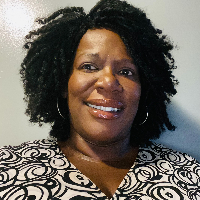
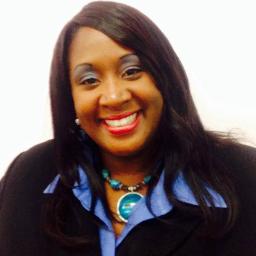

Dr. Launa Duffy
MD, LCPC
Maryland - 4 yrs exp



How multicultural concerns therapy works for Maryland residents
When you seek therapy focused on multicultural concerns in Maryland, you are looking for clinicians who understand the ways culture, race, ethnicity, religion, immigration history, and language shape emotional life. Therapy in this area centers on exploring identity, belonging, and the stressors that arise when cultural values collide with expectations from family, work, or broader society. Sessions are designed to create space for your story - the ways you were raised, the communities you move through, and the expectations that follow you. A skilled clinician will listen for the cultural context that informs how you experience relationships, mental health, and personal goals, and will tailor interventions that fit your cultural framework rather than forcing one-size-fits-all methods.
Therapeutic approaches and cultural responsiveness
Therapists who specialize in multicultural concerns often draw from a range of approaches, including culturally adapted cognitive-behavioral techniques, narrative methods that honor personal and family histories, and relational models that foreground community and family systems. You should expect a clinician to show cultural humility - an openness to learning from you about your identity and values - and to incorporate culturally relevant practices when appropriate. This might mean exploring language preferences, religious or spiritual beliefs, migration narratives, or culturally specific coping strategies. In Maryland, therapists may also be familiar with local community resources that support culturally specific needs, such as cultural centers, language access services, or group programs in cities like Baltimore or Silver Spring.
Finding specialized help for multicultural concerns in Maryland
Start by clarifying what aspects of multicultural concern are most central for you. Are you navigating acculturation after a recent move to the United States? Do you face intergenerational conflict within your family over cultural expectations? Are experiences of discrimination or microaggressions affecting your daily life? Once you identify the primary area you want to address, search for clinicians who list multicultural competence, cultural identity work, or related specialties in their profiles. In urban and suburban areas such as Baltimore, Columbia, Rockville, and Annapolis, you may find clinicians with bilingual skills or with experience working with specific immigrant communities. When you read profiles, look for mention of lived experience, training in cultural responsiveness, and a willingness to collaborate on culturally relevant goals.
Local considerations and community connections
Maryland’s diverse population means that resources vary by region. If you live near Baltimore, you may have access to therapists who work directly with immigrant communities and who partner with local cultural organizations. In Columbia and Rockville, clinicians often serve suburban families navigating bicultural identities and school-related concerns. Silver Spring and Annapolis offer different pockets of cultural communities and faith-based supports that can complement therapy. A therapist who knows the local landscape can help you connect with group supports, cultural events, or community advocates that reinforce your therapeutic work.
What to expect from online therapy for multicultural concerns
Online therapy expands access to clinicians who understand your cultural background, especially if local options are limited. You can connect with therapists across Maryland without needing to travel, which is helpful if language-matched clinicians are concentrated in specific cities. During online sessions you will generally have the same conversational and exploratory work as in person - discussing identity, family narratives, and experiences of bias - but delivered through video or phone. You should expect clear information about appointment logistics, fees, and how your communications are handled. It is reasonable to ask potential therapists how they approach cultural topics in an online format and how they ensure a comfortable setting for you during sessions, whether you are calling from home or another space that feels appropriate.
Practical tips for online engagement
When participating in teletherapy, choose a place where you can speak openly and without interruptions. Some people prefer a quiet room at home, while others find that an office or parked car provides the privacy they need. If you prefer sessions in the evening because of work or school commitments, online therapy often allows for more flexible scheduling. You can also ask about language accommodations and whether the therapist is able to work with interpreters when needed. Online therapy can be a bridge to continuity of care, allowing you to maintain progress during life transitions or when you move within Maryland.
Common signs you might benefit from multicultural concerns therapy
You might consider specialized therapy if you often feel misunderstood in healthcare or workplace settings because of cultural differences, or if you are struggling with identity questions such as which cultural norms to uphold and which to question. If you experience persistent stress related to discrimination, microaggressions, or the emotional impact of migration and resettlement, therapy can provide a place to process those experiences and develop coping strategies. Family tension that stems from different cultural expectations across generations is another common reason people seek this specialty, especially when communication breaks down over values related to education, marriage, or religious practice. You may also seek help if cultural stigma around mental health has made it hard to talk about feelings with family or community members, and you want a clinician who understands those constraints.
Tips for choosing the right therapist for multicultural concerns in Maryland
Choosing a therapist is both practical and personal. Start by reviewing profiles to confirm basic qualifications and areas of specialty. Then focus on fit - look for clinicians who explicitly mention cultural competence, cultural humility, or experience with the particular cultural or linguistic communities relevant to you. If language access matters, prioritize therapists who offer sessions in your preferred language or who have experience working with interpreters. During initial consultations pay attention to how the clinician asks questions about your background. Good clinicians will invite you to explain what cultural identity means to you and will adapt their approach rather than making assumptions. Consider logistical factors as well - whether they offer in-person appointments in locations like Baltimore or Annapolis, or if online sessions work better for your schedule in Silver Spring or Columbia. Trust your sense of rapport; feeling understood and respected in early sessions is a strong indicator that the clinician can support your goals.
Questions to ask in a consultation
When you contact a therapist, it is appropriate to ask about their experience with multicultural work, whether they have worked with clients from similar backgrounds, and how they approach topics like discrimination or faith. You can also inquire about practical matters such as session length, availability, sliding scale options, and how they handle coordination with other services if you need referrals. Asking these questions helps you determine whether the clinician’s approach aligns with your expectations and whether they can meet any language or cultural needs you have. A transparent conversation at the outset helps you decide if a therapist is the right partner for your journey.
Next steps
Take time to read the profiles on this page and reach out for a consultation with therapists whose backgrounds resonate with your needs. Whether you live in Baltimore, Columbia, Silver Spring, Rockville, or another part of Maryland, there are clinicians who focus on the intersection of culture and mental health. Connecting with a therapist who understands your cultural context can open a path toward clearer communication, stronger coping strategies, and a renewed sense of belonging. Use the listings below to compare approaches, languages, and availability, and schedule a conversation with a clinician to see if they feel like the right match for your goals.