Find an Addictions Therapist in Massachusetts
This page lists licensed professionals who focus on addictions and recovery services throughout Massachusetts. Explore therapist profiles to compare specialties, locations, and availability before contacting a provider.
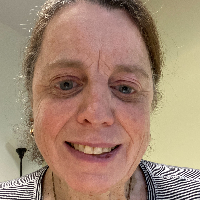





Joi Allen-Baaqee
LMHC, LPC
Massachusetts - 12 yrs exp







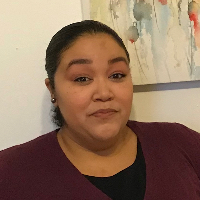
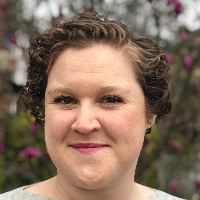

Mary Aubrey
LICSW
Massachusetts - 40 yrs exp






How addictions therapy works for Massachusetts residents
If you are looking for help with substance use, gambling, or related compulsive behaviors, addictions therapy typically begins with an initial assessment to understand the pattern of use, its impact on your relationships and daily life, and any co-occurring concerns such as anxiety or depression. In Massachusetts, initial appointments often include a detailed conversation about your goals, treatment history, and any legal or medical needs that could shape a care plan. From there, your therapist will work with you to design a tailored approach that may combine individual counseling, group sessions, family involvement, and referrals to medical providers when medication-assisted treatment or detox support is appropriate.
Therapy for addictions is commonly delivered in a series of sessions over weeks or months, with frequency varying based on severity and your personal goals. Progress is measured by changes in behavior, coping skills, and quality of life rather than a single outcome, and therapists expect gradual steps forward. You will be an active participant in the process, learning skills to manage cravings, rebuild routines, and strengthen relationships that support recovery.
Finding specialized help for addictions in Massachusetts
When you search for a therapist in Massachusetts, consider clinicians who list addictions or substance use as a specialty and who have training in evidence-based approaches such as cognitive-behavioral therapy, motivational interviewing, or relapse prevention. You can match your needs by looking for therapists who mention work with specific substances, co-occurring mental health concerns, or particular populations like adolescents, veterans, or people navigating the criminal justice system. If you live near Boston, Worcester, Springfield, Cambridge, or Lowell, you may find a wider range of specialists and programs, including intensive outpatient services and community-based resources. Outside larger cities, many therapists provide effective outpatient care and coordinate with community clinics and medical providers to ensure continuity of treatment.
Considerations for specialty services
Some interventions require coordination with medical professionals for medication-assisted treatment or medical monitoring. If you think you may need medication as part of your recovery, look for therapists who collaborate with prescribers or who can refer you to clinicians who provide that service. In some cases, specialized programs focus on behavioral addictions such as gambling or technology-related behaviors; therapists with those specializations can offer targeted strategies and support that differ from substance-focused care.
What to expect from online therapy for addictions
Online therapy can be a practical option if you live far from treatment centers or have scheduling constraints. When you choose teletherapy, you can expect many of the same therapeutic techniques used in person, adapted for video or phone sessions. Your therapist will talk with you about logistics like session length, privacy at the time of sessions, and how to handle crises or urgent medical needs that may require local emergency services.
Online care can make it easier to access specialists who may not be near your town, enabling you to work with clinicians in Boston or Cambridge while living in a more rural part of the state. Some people find virtual sessions less intimidating and more consistent with busy work or family routines. Keep in mind that certain services, such as supervised detox or some medication-based treatments, require in-person medical oversight. A therapist can help you navigate a blend of online counseling and local medical care if that is the safest and most effective approach.
Common signs that someone in Massachusetts might benefit from addictions therapy
You may want to reach out for support if use of a substance or engagement in a behavior is causing repeated problems at work, school, or in personal relationships. Other signs include an increasing tolerance to a substance, unsuccessful attempts to cut back, spending a lot of time obtaining or recovering from use, or continuing use despite health or legal consequences. Emotional red flags can include persistent anxiety about use, mood swings tied to periods of use or withdrawal, or social isolation because of activities related to substances or compulsive behaviors.
For families and friends in Massachusetts, you might notice practical impacts like missed obligations, financial strain, or someone avoiding social activities they once enjoyed. If you are concerned about a loved one, a conversation with a therapist can provide strategies for setting boundaries and supporting treatment while protecting your own wellbeing.
Tips for choosing the right addictions therapist in Massachusetts
Begin by identifying what matters most to you - whether it is experience with a particular substance, a therapy style, working with your age group, or having evening appointments. You might prefer a therapist who emphasizes structured skill-building, or one who uses a relational approach that focuses on understanding the role addiction plays in your life. When you review profiles, pay attention to credentials, years of experience, and statements about how the therapist approaches relapse and setbacks.
Practical considerations are also important. Check whether the therapist offers in-person sessions near you in cities like Worcester or Springfield, or whether they provide teletherapy that fits your schedule. Ask about appointment availability, session length, and whether they coordinate with other providers such as primary care doctors or addiction medicine specialists. If cost or insurance matters, ask about accepted plans and sliding scale options during an initial inquiry so you can plan for ongoing care.
Preparing for your first session
Before your first appointment, think about your immediate goals and any recent changes in your patterns of use. It can help to make a brief list of medications you take, recent hospital or legal interactions, and important relationships that will be part of recovery planning. You do not need to have everything figured out - a good first session is often a chance to clarify goals and set a practical plan for the next steps.
Continuing care and community resources in Massachusetts
Recovery often involves more than one type of support. Many people find value in combining one-on-one therapy with group programs, peer recovery coaching, and family sessions. Local community health centers and mental health clinics in larger cities can be gateways to intensive programs if you need a higher level of care. If you live near Boston or Cambridge, you may find additional clinic options and specialized outpatient programs. In smaller cities like Lowell and Worcester, therapists frequently partner with local clinics to ensure you can access medical monitoring and social services if needed.
Ultimately, the right therapist will help you build a sustainable plan that fits your life in Massachusetts. Whether you choose in-person care close to home or teletherapy that broadens your options, effective addictions therapy focuses on practical skills, realistic goals, and connections to ongoing supports that help you move toward a healthier routine.