Find a Communication Problems Therapist in Massachusetts
This page highlights therapists in Massachusetts who focus on communication problems, from everyday misunderstandings to long-standing patterns that affect relationships. Browse the listings below to compare specializations, locations, and availability and find a clinician who fits your needs.






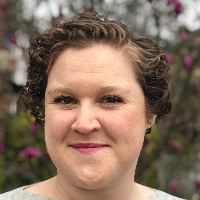
Joi Allen-Baaqee
LMHC, LPC
Massachusetts - 12 yrs exp








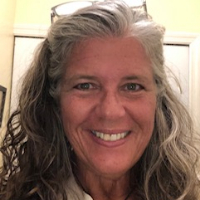
Mary Aubrey
LICSW
Massachusetts - 40 yrs exp








How communication problems therapy works for Massachusetts residents
When you seek help for communication challenges, therapy begins with understanding the patterns that get in the way of expressing thoughts, needs, and feelings. A clinician will typically start by assessing the situations where communication breaks down - for example at work, in friendships, or within romantic relationships - and will ask about your goals for change. Sessions may include structured skill-building, guided conversations, role-play, and strategies for managing strong emotions so that messages are clearer and more effective. Over time you and your therapist will track progress and adjust techniques to match your everyday life in Massachusetts, whether you live near Boston, Worcester, Springfield, or a smaller town.
Therapeutic approaches you may encounter
Therapists who specialize in communication problems often draw from several evidence-informed approaches. Cognitive behavioral techniques help you notice thoughts that interfere with clear speech and introduce new ways of responding. Interpersonal therapy targets relational patterns that produce repeated misunderstandings. Couples therapy blends systems thinking with skill training to improve dialogue between partners. Some clinicians use emotion-focused methods to help you identify and express vulnerable feelings in a way that reduces defensiveness. Therapists may also tailor sessions for workplace communication, assertiveness training, or family dynamics, so you can practice skills that are directly relevant to the roles you occupy in Massachusetts communities.
Finding specialized help for communication problems in Massachusetts
Searching for the right clinician often starts with clarifying the context of your difficulty. If your challenges are primarily within a romantic relationship, choose someone with experience in couples work. If you struggle to speak up at work or in public settings, look for clinicians who offer assertiveness or performance coaching. Many therapists list their specializations, training, and typical client concerns on their profiles so you can narrow the field before contacting someone. Urban areas like Boston and Cambridge tend to have a wide range of specialists, while regions around Worcester, Springfield, and Lowell may offer clinicians who combine general therapy with focused communication training. You can filter by modality, such as in-person or online sessions, and by therapist credentials to find a match that fits your priorities.
Credentials and what they mean
Therapists in Massachusetts hold different professional licenses and backgrounds. Some are licensed clinical social workers, psychologists, marriage and family therapists, or licensed mental health counselors. Each credential reflects different training paths and scopes of practice, so check a clinician's profile for education, license type, and relevant training in communication-focused therapies. If you have specific needs - for instance work with adolescents or bilingual services - note those qualifications as well. Asking about years of experience in treating communication problems during an initial call can give you a sense of whether a therapist has handled issues similar to yours.
What to expect from online therapy for communication problems
Online therapy has become a practical option for many Massachusetts residents, offering more flexibility in scheduling and access to specialists who might be based in different cities. If you choose virtual sessions, you can expect many of the same techniques used in person - role-play, guided exercises, and reflective feedback - adapted for video or phone formats. Therapists will often provide exercises to practice between sessions and may use shared documents or video recordings to demonstrate skills. You should prepare a quiet space for sessions and check that your internet connection supports clear audio and video. Many clinicians offer an initial consultation so you can get a feel for their style and verify that teletherapy meets your needs.
Navigating licensing and logistics
When you work online, it helps to confirm that the therapist is licensed to work with clients in Massachusetts. Licensing ensures that clinicians meet state requirements for education and practice. Discuss payment options, insurance, sliding scale fees, and cancellation policies before beginning, so you know what to expect financially. If you live outside major cities or have limited local options, teletherapy can connect you with clinicians who specialize in communication problems even if they are based in Boston or Cambridge while you are elsewhere in the state.
Common signs that someone in Massachusetts might benefit from communication problems therapy
You might benefit from therapy if you notice recurring misunderstandings that leave you feeling frustrated, unheard, or repeatedly blamed. Frequent arguments that revolve around the same themes, avoidance of important conversations, or feeling unable to express needs without conflict are signals that communication patterns are interfering with your wellbeing. At work, you may experience stalled projects, tension with colleagues, or difficulty advocating for yourself. In families, miscommunication can lead to repeated hurt and distance. If you find that anxiety about speaking - whether in meetings or social settings - is limiting opportunities, targeted therapy can help you build confidence and practical skills. These signs are common across cities and towns in Massachusetts, from urban neighborhoods in Boston to community settings in Worcester and Springfield.
Tips for choosing the right therapist for this specialty in Massachusetts
Begin by identifying what you want to change and the type of relationship you have with the person or people involved. If couples are participating, seek a clinician trained in couples therapy. If family dynamics are central, choose someone with family systems experience. Pay attention to how a therapist describes their approach - some clinicians emphasize structured skill training while others focus on understanding emotional patterns that underlie speech. Consider logistical factors such as office location, parking, or public transit access if you prefer in-person visits, and check whether a therapist offers evening or weekend appointments if your schedule is tight. If cost matters, ask about insurance participation or sliding scale fees up front. An initial consultation is a low-commitment way to assess rapport and whether the therapist’s style feels like a fit for you.
Practical steps to get started
Contact a few therapists whose profiles align with your needs and request a brief intake call to learn about their approach and availability. During that conversation you can ask about typical session length, methods they use for communication skills work, and how they measure progress. Think about cultural fit and whether you prefer a therapist who shares or understands your cultural background or life experience. If you live near major hubs like Boston, Lowell, or Cambridge, you may have more options to compare; if you live farther from those centers, teletherapy can broaden your choices. Trust your judgment about comfort and connection - effective therapy often depends on a collaborative working relationship between you and your clinician.
Finding ongoing support in your community
After you begin work on communication skills, many people find it helpful to practice techniques with friends, family, or colleagues and to bring real situations into sessions for coaching. Over time, small changes in how you express yourself often lead to fewer repeated conflicts and clearer relationships. If you are in a life transition - moving to a new city, changing jobs, or entering a new relationship - targeted communication therapy can make those transitions smoother. Whether you live in Boston, Worcester, Springfield, or another Massachusetts community, the right therapist can equip you with tools to communicate more effectively and to sustain those changes in daily life.
Use the listings above to review clinician profiles, read about their methods, and request an appointment. A thoughtful match can help you address the specific communication challenges you face and support more effective, respectful interactions across your relationships.