Find an Eating Disorders Therapist in Massachusetts
This page features eating disorders therapists working in Massachusetts, with profiles that describe specialties, approaches, and practice settings. Use the listings below to review clinicians serving different communities and treatment needs.

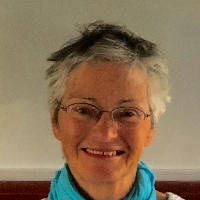
Mary Aubrey
LICSW
Massachusetts - 40 yrs exp



















How eating disorders therapy typically works in Massachusetts
When you begin looking for eating disorders treatment in Massachusetts, the process often starts with an initial assessment to clarify symptoms, eating patterns, and how these issues affect daily life. Assessments may be completed by a licensed mental health clinician, sometimes in collaboration with a medical provider or registered dietitian. After an assessment, a clinician will discuss treatment options and collaborative goals with you - these often include improving relationships with food and body image, reducing harmful behaviors, and strengthening coping strategies. Treatment may be delivered in outpatient therapy sessions, intensive outpatient programs, or more structured day programs depending on symptom severity and available local resources.
Massachusetts has a mix of private practices, community clinics, hospital-affiliated programs, and university-based services. In urban areas like Boston and Cambridge, you may find specialized teams and programs that focus on eating disorders, while smaller cities such as Worcester, Springfield, and Lowell often have skilled clinicians and regional programs that coordinate care with medical providers. Regardless of setting, therapists often emphasize a collaborative approach that links mental health care with medical monitoring and nutritional support when needed.
Finding specialized help for eating disorders in Massachusetts
Finding a therapist who specializes in eating disorders can make a meaningful difference in treatment. Specialization may be reflected in a clinician's training, experience working with specific diagnoses, and familiarity with evidence-based approaches. In Massachusetts, look for clinicians who describe work with anorexia nervosa, bulimia nervosa, binge eating disorder, or other disordered eating patterns. Many therapists will note additional population experience - such as treating adolescents, young adults, athletes, or people managing co-occurring mood or anxiety concerns. In cities with university hospitals and teaching centers, there are often multidisciplinary programs that bring together therapists, dietitians, and medical teams which can be particularly helpful when care coordination is a priority.
When you’re researching options, review clinician profiles for descriptions of the therapeutic approach and any relevant certifications or continuing education in eating disorders. Some clinicians highlight training in family-based treatment for adolescents or specialized cognitive-behavioral approaches for adults. You can also consider whether you prefer a therapist who works with a multidisciplinary team or someone whose practice coordinates externally with medical providers and dietitians in the community.
What to expect from online therapy for eating disorders
Online therapy has become a widely used option for people in Massachusetts, offering flexibility when commuting to Boston, Worcester, Springfield, Cambridge, or more rural areas creates a barrier. In an online format, sessions are held via video or sometimes by phone, and you can expect the structure of sessions to be similar to in-person work - including goal setting, skills practice, and regular review of progress. Your therapist will discuss privacy practices and technology needs before starting, and many clinicians can advise on ways to create a comfortable environment at home for sessions. For some people, virtual therapy makes it easier to access a clinician with specific eating disorders expertise who might not have an in-person practice nearby.
Online therapy can be effective for many aspects of eating disorders treatment, including cognitive and behavioral work, body image interventions, and relapse prevention planning. However, if medical monitoring or nutritional counseling is required, your therapist will coordinate with local medical professionals for necessary assessments such as weight checks or lab work. Some programs combine online therapy sessions with periodic in-person visits for physical monitoring when appropriate.
Common signs that someone in Massachusetts might benefit from eating disorders therapy
You might consider reaching out for help if eating or exercise behaviors increasingly disrupt daily life, relationships, or health. Changes can be subtle at first - such as increased preoccupation with food, rigid rules around eating, or withdrawing from social activities that involve meals. You may notice cycles of restriction followed by bingeing, frequent compensatory behaviors like excessive exercise, or persistent distress about body shape and weight. Physical signs can include unexplained fatigue, changes in weight, or gastrointestinal complaints, though these symptoms alone do not confirm a disorder. If eating concerns co-occur with severe mood changes, anxiety, or difficulties managing everyday tasks, connecting with a clinician can help clarify what support is helpful and what next steps to take.
In Massachusetts, local resources such as community health centers, college counseling services, and hospital outpatient programs can provide initial guidance if you are unsure where to begin. If you live near major centers like Boston or Cambridge, you may find programs with specialized teams that include adolescent expertise or support for specific populations. In Worcester, Springfield, and Lowell there are clinicians and programs experienced in practical treatment models and community-based coordination.
Tips for choosing the right therapist for eating disorders in Massachusetts
Choosing the right therapist is both practical and personal. Start by identifying what matters most to you - for example, experience with adolescent treatment, familiarity with family-based approaches, or specific expertise in binge eating. Review profiles to see descriptions of training and clinical focus, and consider whether you prefer in-person sessions near your community or online sessions that provide more scheduling flexibility. Ask potential clinicians about how they coordinate with medical providers and registered dietitians, and inquire about typical session structure and expected length of treatment. If you have insurance, confirm coverage details and whether the clinician accepts your plan; if you are paying privately, ask about fees and sliding scale options. Meeting a clinician for an initial conversation can help you assess whether their style and approach feel like a good fit.
For parents or caregivers in Massachusetts seeking help for a young person, consider therapists who emphasize family involvement and offer evidence-based models for adolescents. If you live near Boston, Cambridge, or other academic centers, you may have access to providers who combine clinical practice with training programs, which can be an advantage for highly specialized care. In smaller cities like Worcester or Springfield, you can often find experienced clinicians who maintain strong community networks for medical and nutritional support.
Next steps and practical considerations
Once you identify several promising clinicians, reach out to schedule an intake or consultation. Prepare a brief overview of concerns, any recent medical information, and questions about treatment approach and coordination. Consider practical matters such as appointment times, whether sessions will be in person or online, and how the clinician handles emergencies or urgent concerns. If you are involved with a primary care doctor or a specialist, ask about sharing relevant medical information to support a coordinated plan. Taking the first step to connect with a therapist is often the most important move toward feeling better and building effective strategies for managing eating concerns.
Across Massachusetts, from urban neighborhoods in Boston to suburban and regional communities like Lowell, Worcester, and Springfield, there are clinicians committed to helping people address eating disorders with compassion and clinical expertise. Explore the profiles on this page to compare backgrounds and approaches, and reach out when ready to learn more about what treatment might look like for your situation.