Find a Family of Origin Issues Therapist in Massachusetts
This page highlights therapists across Massachusetts who specialize in family of origin issues. Browse the listings below to compare approaches, locations, and availability to find a good fit.



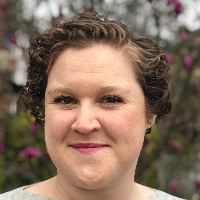
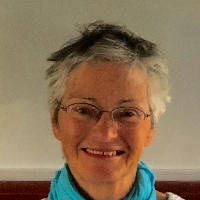
Mary Aubrey
LICSW
Massachusetts - 40 yrs exp
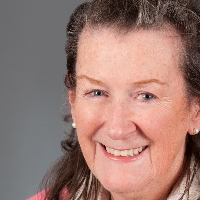


Amy Johnson
LICSW
Massachusetts - 20 yrs exp












Understanding Family of Origin Work in Massachusetts
Family of origin therapy focuses on how your early family relationships shaped the beliefs, behaviors, and relationship patterns you carry into adulthood. In Massachusetts you will find clinicians who frame this work through different models - for example family-systems theories, psychodynamic approaches, attachment-focused work, or trauma-informed care. What matters most is finding a therapist whose training and style match the kind of reflection and change you want to pursue.
When you start this work you can expect conversations that explore family roles, communication patterns, emotional boundaries, and intergenerational influences. Many therapists help you identify repeated patterns - such as caretaking, emotional distancing, or conflict avoidance - and experiment with new ways of relating. Sessions often move between exploring past relationships and applying new skills in your current life, so you can track how old patterns show up at work, in partnerships, and with children.
How Family of Origin Therapy Works for Massachusetts Residents
The practical shape of therapy often depends on whether you meet in person or online, how frequently you schedule sessions, and the therapist’s theoretical approach. Some clinicians use a long-term model that allows deep exploration over months or years. Others offer short-term, goal-focused work to address a specific pattern or relationship issue. In Massachusetts you will find both comfortable and community-based options, and many clinicians offer a mix of in-person sessions in offices and teletherapy to increase accessibility.
Licensure matters when you are comparing options. Massachusetts clinicians may be licensed as psychologists, licensed clinical social workers, licensed mental health counselors, or marriage and family therapists. Licensing titles vary, but each signals a degree of training and adherence to state standards. If you are working with insurance, confirm how a therapist is listed with your plan and whether they accept your coverage or offer out-of-network billing.
Finding Specialized Help in Massachusetts
Start your search by looking for therapists who explicitly list family of origin work, intergenerational patterns, or family systems on their profiles. In urban centers like Boston and Cambridge you will often find a wide range of specialties and modalities, along with clinicians who work with diverse cultural communities. In central Massachusetts near Worcester and in western regions such as Springfield you may find clinicians with strengths in trauma-informed family work and in addressing the legacy of migration, economic change, and community stressors.
If you live in a smaller community or prefer a clinician with a particular cultural or linguistic background, broaden your search to include nearby cities. Lowell, for example, has clinicians who focus on immigrant and multigenerational family experiences. When you review profiles, note whether a therapist mentions experience with multigenerational trauma, blended families, adult-child-parent relationships, or adoption-related concerns, depending on what matters in your history.
What to Expect from Online Therapy for Family of Origin Issues
Online therapy offers flexibility that can help you maintain consistent work on family issues. You can schedule sessions around work and family obligations, reduce travel time, and connect with clinicians who might not be located in your town. Many Massachusetts therapists offer video or phone sessions for at least part of their practice, which can be especially helpful if you live outside a major city or if transportation is a barrier.
In an online session you will still engage in reflective dialogue, explore memories and emotional responses, and practice new communication strategies. Therapists typically establish a plan for safety and for handling emotional intensity during remote sessions. Before you begin, ask about technical requirements, what to do if a connection drops, and how the clinician manages recordkeeping and billing. If in-person work is important to you, look for clinicians who offer in-office appointments in places like Boston, Worcester, or Springfield.
Signs You Might Benefit from Family of Origin Therapy
You might consider this specialty if you notice recurring relationship patterns that feel stuck or puzzling. Common signs include feeling consistently responsible for others’ emotions, repeating conflict styles learned in childhood, struggling to set boundaries with family members, or noticing that family expectations shape major life choices. You may also be drawn to this work if patterns from your upbringing affect parenting, romantic relationships, or your sense of identity.
People often seek family of origin therapy after a relationship transition, such as a separation or becoming a parent, when old dynamics are more visible. You might also pursue this therapy if you find yourself reacting to stress in ways that echo family patterns, or if you want to understand how cultural and familial expectations influence your decisions. Wherever you are in Massachusetts - whether you live in a busy neighborhood of Boston or a quieter area near Springfield - these themes are common and treatable with thoughtful, sustained work.
Practical Tips for Choosing the Right Therapist in Massachusetts
Begin by clarifying what you hope to change or learn in therapy. Are you seeking to improve communication with parents, understand recurring patterns in relationships, or heal from a difficult childhood? Once you have a sense of goals, scan therapist profiles for relevant language. Look for clinicians who describe family of origin work, attachment theory, or intergenerational patterns. Pay attention to mentions of cultural competence, experience with specific populations, and training in trauma-informed approaches if that is relevant to your history.
Contact a few therapists to ask about their approach and whether they have experience with issues similar to yours. Most clinicians will offer a brief phone consultation to help you determine fit. Good questions include asking how they integrate exploration of the past with present-focused skills work, what a typical session looks like, and how they measure progress over time. Also ask about scheduling, fees, and whether they offer sliding scale options if cost is a concern.
Consider logistics as well. If in-person sessions are important, seek clinicians with offices convenient to public transit in Boston or near commuter lines in Worcester and Lowell. If you prefer remote sessions, confirm the therapist offers teletherapy across Massachusetts and can coordinate any necessary documentation for your records or insurance. Trust your sense of rapport during early contacts - a good working relationship is one of the strongest predictors of helpful outcomes.
Working Across Cultures and Generations
Massachusetts is culturally diverse, and family origins often involve immigration, religious traditions, and varying expectations across generations. You should expect therapists to ask about cultural context and family narratives as part of assessment and treatment planning. If cultural nuance is essential to your story, look for clinicians who highlight multicultural training or experience working with your community. Those in cities like Boston and Cambridge may have more specialized options, but many clinicians across the state have valuable experience with intercultural family dynamics.
Next Steps
Start by reviewing profiles on this page and making a short list of clinicians whose training and approach resonate with you. Reach out for an initial consultation, and be prepared to ask about approach, scheduling, fees, and how the therapist integrates exploration of family history with practical changes you can experiment with in daily life. With consistent sessions and a therapist you feel comfortable with, you can begin to map patterns from your family of origin and create more intentional ways of relating in the present.
Whether you are in downtown Boston, the Worcester region, Springfield, Lowell, or a surrounding community, family of origin therapy can offer a thoughtful path to understanding and change. Use the listings below to explore clinicians and take the next step toward the kind of relationships and self-knowledge you want to build.