Find a Forgiveness Therapist in Massachusetts
Find therapists in Massachusetts who specialize in forgiveness therapy and related approaches to help you process hurt and rebuild relationships. Browse the listings below to compare clinicians serving Boston, Worcester, Springfield and other communities, then book a consultation that fits your needs.




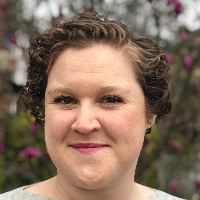
Joi Allen-Baaqee
LMHC, LPC
Massachusetts - 12 yrs exp



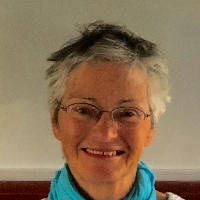
Mary Aubrey
LICSW
Massachusetts - 40 yrs exp







How forgiveness therapy works for Massachusetts residents
Forgiveness therapy is an approach that focuses on helping you move through the emotional, relational and cognitive work that follows an injury - whether that injury was a one-time event or a pattern of behavior. In practice you and your therapist will explore the experience of the hurt, the meanings you attach to it and the practical steps that help reduce ongoing anger, resentment or avoidance. The aim is not to force reconciliation or to minimize what happened. Instead the process supports you in making choices about how you want to relate to the past and how you want to show up in relationships going forward.
In Massachusetts, therapists who specialize in forgiveness often integrate evidence-informed techniques from cognitive behavioral therapy, emotion-focused work, and trauma-informed care. If you live in an urban neighborhood of Boston, a college town like Cambridge, a mid-sized city such as Worcester, or a suburban area outside Springfield or Lowell, you can find clinicians who tailor the pacing and tools to local needs and cultural contexts. The work can involve exploring personal values, practicing new ways of thinking about the person who hurt you, and developing actions that help restore your sense of agency.
Finding specialized help for forgiveness in Massachusetts
When you start your search in Massachusetts, you may look for therapists who list forgiveness, relational repair, or grief and loss among their specialties. Local training opportunities and university-affiliated clinics around Boston and Cambridge mean you may find practitioners who bring recent research into their approach. Community mental health centers across Worcester and Springfield may also offer clinicians experienced in working with interpersonal harm in diverse populations. Think about the setting you prefer - some people are more comfortable working with someone who has a background in couples therapy, while others want a clinician with experience in trauma work or spiritual integration.
You can use the directory listings to view clinician profiles, which often include descriptions of therapeutic orientation, session format, fees and whether they offer evening or weekend appointments. If you have cultural or identity-specific needs, look for therapists who mention experience with those communities. Massachusetts includes a wide range of cultural backgrounds and languages, so finding someone who understands your lived experience can make the forgiveness process more relatable and effective.
What to expect from online therapy for forgiveness
Online therapy has become a practical option in Massachusetts, particularly if you live outside major cities or have a busy schedule. When you choose remote sessions, you can expect a similar therapeutic structure to in-person work - assessment, goal setting and regular sessions - but delivered through video or phone. Online therapy can help you access clinicians who specialize in forgiveness even if they are based in another part of the state. This can be especially helpful if you live in a rural area and want to work with a therapist whose approach resonates with you.
During online sessions you will have opportunities to process emotions, learn new coping strategies and practice communication skills. Therapists can use screen-shared worksheets, guided imagery and written exercises to support your progress. Be aware that some interventions may be adapted when delivered remotely; your therapist will discuss what works best for your situation. If you prefer to transition between online and in-person work, many clinicians offer hybrid options so you can meet in-clinic occasionally while keeping most sessions virtual.
Common signs you might benefit from forgiveness therapy
You might consider forgiveness therapy if you notice that anger, rumination or avoidance are interfering with your daily life or relationships. You may replay the hurtful events repeatedly, find it hard to trust others, or feel stuck in a pattern of blame that colors new interactions. Some people experience physical tension, sleep disruption or loss of interest in activities because of ongoing resentment. If you are trying to decide whether to repair a relationship or set clearer boundaries, working with a therapist can provide clarity and support.
Forgiveness therapy can also help when your spiritual or moral values make the aftermath of harm particularly painful. In settings across Massachusetts, from faith communities in Boston to university counseling centers in Cambridge, therapists can help you reconcile personal beliefs with your emotional experience. If you are managing conflicting desires - to forgive for your own peace versus to hold someone accountable - therapy can give you space to explore what forgiveness would mean for you and what steps would align with your values.
Tips for choosing the right therapist for this specialty in Massachusetts
Start by clarifying what forgiveness means to you and what outcomes you hope to achieve. Are you seeking emotional relief, reconnection with a family member, or a new way of relating to yourself and others? Once you have an idea of your goals, look for clinicians who describe relevant experience with relational repair, trauma-informed care or grief work. Profiles often indicate therapeutic approaches and populations served, which can help you narrow your search in areas like Boston, Worcester or Springfield.
Consider practical factors such as appointment availability, insurance or sliding scale options, and whether you prefer in-person, online, or hybrid sessions. Many therapists in Massachusetts offer brief introductory calls so you can gauge fit before committing to regular sessions. During an initial conversation pay attention to whether the clinician listens to your concerns, explains their approach clearly, and offers a plan that aligns with your priorities. Trust your sense of ease - the right therapist will help you feel understood and will collaborate with you on realistic steps forward.
Another important consideration is cultural competence. If you are part of a specific cultural, racial or religious community in Massachusetts, seek a therapist who demonstrates awareness of those contexts or is willing to learn. This is particularly relevant in diverse communities around Boston and in regional centers like Lowell. A therapist who respects your background can help you navigate family dynamics and social expectations as part of the forgiveness work.
Preparing for your first sessions
Before your first appointment, take some time to reflect on what you want to address and any relevant history you are willing to share. You do not need to have a fully formed narrative - therapists are trained to help you organize your thoughts and feelings. Think about any practical constraints such as childcare, transportation, or work schedules, and ask potential therapists about session length and frequency. If cost is a concern, inquire about sliding scale fees or community resources in Massachusetts that may offer lower-cost counseling.
Forgiveness therapy is often gradual. In early sessions you and your therapist will build a foundation of trust and safety, identify goals, and create a plan for the work ahead. Over time you will practice new perspectives and behaviors, which can translate into tangible changes in how you approach relationships and your inner life. Remember that progress is not always linear - setbacks can be part of the process - and a skilled therapist will help you navigate those moments with care.
Finding ongoing support in your community
In addition to one-on-one therapy, Massachusetts offers a range of community resources that can complement forgiveness work. Support groups, faith-based counseling, and workshops on communication or conflict resolution can provide additional perspectives and practice opportunities. Local universities and non-profit clinics sometimes host low-cost programs focused on reconciliation or restorative practices. If you live near Boston, Worcester, Springfield, Cambridge or Lowell, check community calendars and mental health coalitions for events that align with your goals.
If you decide to begin forgiveness therapy, allow yourself patience and curiosity. The process can bring relief, new understanding, and a clearer sense of agency in your relationships. Using this directory to compare profiles and book a consultation is a practical first step toward finding a therapist in Massachusetts who can guide you through that journey.