Find an Isolation / Loneliness Therapist in Massachusetts
This page lists therapists in Massachusetts who specialize in isolation and loneliness, with options across the state and online. Explore profiles, read about approaches, and browse listings below to find a match in Boston, Worcester, Springfield and nearby communities.











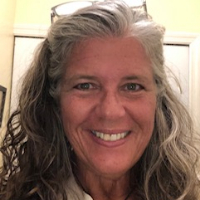
Mary Aubrey
LICSW
Massachusetts - 40 yrs exp












How isolation and loneliness therapy can help Massachusetts residents
When you feel cut off from others, the experience often affects every part of daily life - work, family, and your sense of meaning. Therapy for isolation and loneliness focuses on rebuilding connection, shifting patterns that keep you isolated, and developing practical skills to find and maintain relationships. In Massachusetts you will find clinicians who combine evidence-informed techniques with attention to local resources, cultural context, and the urban-rural differences that shape social life from Boston to smaller towns in the Berkshires.
Therapists typically begin by understanding the full picture of your social world and the barriers you face. That may include recent life changes like relocation or job transitions, longstanding patterns of social anxiety, grief after losing a partner, or practical obstacles such as caregiving responsibilities that reduce your opportunities to connect. Rather than promising quick fixes, therapy aims to give you tools that fit your circumstances in Massachusetts - whether you live in a dense neighborhood near Cambridge or a quieter community outside Springfield.
Common therapeutic approaches
You will encounter a range of approaches that address isolation and loneliness. Cognitive behavioral techniques can help you identify and reframe thoughts that make social situations feel risky. Interpersonal therapy focuses on improving communication and resolving relationship roles that create distance. Acceptance-based therapies support you in tolerating uncomfortable emotions while gradually increasing social engagement. Some therapists offer group formats where you can practice social skills and build connections within the therapy setting itself. Many clinicians blend methods to match your needs.
Finding specialized help for isolation and loneliness in Massachusetts
Start by looking for clinicians who list isolation, loneliness, social anxiety, or interpersonal difficulties among their specialties. In larger metro areas like Boston and Cambridge you will generally find clinicians with a wide variety of training and specialties. If you live in Worcester, Springfield, Lowell, or other cities, the local pool may be smaller but regional clinics and community mental health centers often have therapists experienced in social isolation. When local options are limited, online appointments expand your choices without requiring travel.
You should also consider practical filters such as licensure and insurance acceptance. Therapists licensed in Massachusetts understand state regulations and local resources, and many can help you connect with adjunct supports like community groups, university programs, or aging services in your area. If you are affiliated with a university or faith community, those institutions sometimes host groups and workshops that complement individual therapy.
What to expect from online therapy for isolation and loneliness
Online therapy can be a useful option whether you live in Boston, a suburb, or a rural part of Massachusetts. It can reduce the friction of travel, help you access specialists who are not nearby, and make scheduling easier around work and family obligations. In a typical online session you will meet by video with a clinician who will work with you on skills for initiating conversations, managing anxiety in social settings, and planning steps to expand your social network. Some therapists also offer telephone sessions when video is not feasible.
Expect the therapist to ask about your current social contacts, daily routines, and any health or mobility issues that affect how you connect with others. They will collaborate with you to set achievable goals and suggest activities to try between sessions. If you struggle to leave the house, early steps may focus on brief phone calls, online communities, or low-stakes activities in your neighborhood. If you are comfortable going out, the plan may emphasize attending community events, volunteering, or joining groups aligned with your interests.
Signs you might benefit from isolation and loneliness therapy
You might consider seeking help if you notice persistent feelings of loneliness that do not improve over weeks, or if loneliness is accompanied by difficulty sleeping, loss of interest in activities, or reduced performance at work or school. If you avoid social contact because it feels overwhelming, or if attempts to reconnect leave you feeling drained and hopeless, a therapist can help you adjust expectations and build sustainable habits. Changes in life circumstances - a recent move, retirement, loss of a loved one, or a health diagnosis - are also common triggers that make therapy a practical step.
People sometimes wait until loneliness becomes severe before reaching out, but earlier support can make it easier to rebuild connections. You do not need to be in crisis to benefit. Therapy gives you a structured space to explore patterns, practice new behaviors, and find community resources in Massachusetts that align with your goals.
Tips for choosing the right therapist for isolation and loneliness in Massachusetts
Choosing a therapist is both a practical and personal decision. Start by identifying what matters most to you: a clinician’s therapeutic orientation, experience with specific issues such as social anxiety or adult transitions, cultural or identity competence, availability for weekend or evening appointments, and whether you prefer in-person work near Boston, Worcester, Springfield, Cambridge or Lowell, or remote sessions. Read profiles and intake forms to learn how therapists describe their approach. Many clinicians offer a brief phone consultation - use that to get a sense of their style and whether you feel comfortable talking with them.
Consider logistics such as insurance coverage, sliding scale options, and whether the clinician is licensed to practice in Massachusetts, which affects legal requirements and professional oversight. If you rely on insurance, check whether the therapist files claims or if you need to submit reimbursement. If affordability is a primary concern, community clinics, university training clinics, and nonprofit organizations sometimes provide lower-cost options and can connect you with group programs and peer supports.
Pay attention to practical fit in addition to therapeutic fit. A therapist who is knowledgeable about resources in your city can make referrals to local groups, volunteer opportunities, or specialties such as grief counseling or life transitions. If you are exploring group therapy, ask about group composition and goals, as group work can be a powerful way to reduce isolation through shared experience and practiced social interaction.
Putting it into practice
When you begin therapy, set small, realistic goals and celebrate incremental progress. Early wins might include a short conversation with a neighbor, attending a single event, or reaching out to an old friend. Your clinician can help you plan those steps and adjust when things do not go as expected. Over time, these efforts build the habits and confidence that make social connection more accessible.
If you live in a busy urban area like Boston or Cambridge you may find many group and meetup opportunities that fit different interests. If you are in Worcester, Springfield, Lowell, or a smaller town, look for community centers, libraries, and regional networks that host activities. Combining individual therapy with local offerings can create multiple paths toward greater connection. Therapy is a process, and finding the right approach and the right clinician in Massachusetts can make it easier to take the first steps toward feeling less alone.