Find a Queer Friendly Therapist in Massachusetts
This directory page highlights therapists in Massachusetts who identify as queer friendly and offer trauma-informed, culturally aware care for LGBTQ+ clients. Browse the listings below to compare specialties, locations, and availability across the state.


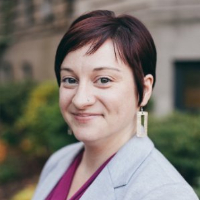
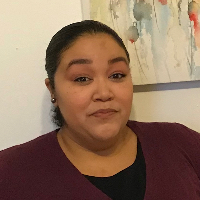
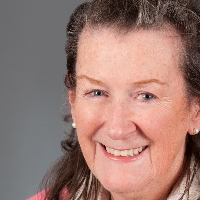
Joi Allen-Baaqee
LMHC, LPC
Massachusetts - 12 yrs exp






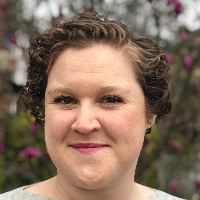
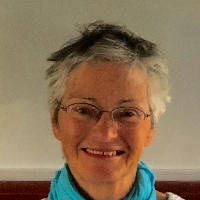
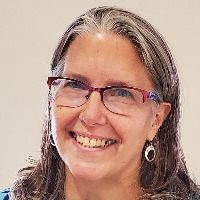
Mary Aubrey
LICSW
Massachusetts - 40 yrs exp









What queer friendly therapy looks like in Massachusetts
Queer friendly therapy focuses on respect for your identity and the unique stresses that can come with being LGBTQ+. In Massachusetts, therapists who describe themselves as queer friendly typically emphasize cultural awareness, ongoing learning, and an affirming approach to gender and sexual diversity. That means they aim to center your experience rather than impose assumptions, and they often bring familiarity with issues that show up for LGBTQ+ people - such as coming out, relationship dynamics, family acceptance, minority stress, and navigating systems like health care or schools.
Therapy can take many forms, from short-term, goal-oriented work to longer-term exploration of identity, relationships, and coping mechanisms. You may find clinicians who are trained in cognitive behavioral approaches, psychodynamic work, narrative therapy, or other modalities while also prioritizing LGBTQ+ competence. The practical details - scheduling, fees, insurance, and whether the clinician offers in-person or online sessions - vary across providers and locations, so it is useful to look at profiles and reach out with questions before making a choice.
Finding specialized queer friendly help in Massachusetts
Where you live in Massachusetts will shape what kinds of local supports and specialties are most accessible. In Boston and Cambridge you will often find a wide range of clinicians with specific training in gender-affirming care, trauma, and community mental health. In Worcester and Springfield there are clinicians who combine community-focused practice with experience serving diverse cultural and socioeconomic backgrounds. Even in smaller cities and suburban towns you can identify clinicians who advertise queer friendly practice and who bring cultural competence to their work.
When searching, use terms that match what you need. Some therapists list experience with gender-affirming care, work with transgender and nonbinary clients, family work around coming out, or couples and relationship counseling for same-sex partners. You might also look for clinicians who mention experience with intersectional issues - for example, working with people of color, immigrants, or those navigating faith and identity - since those layers often influence the therapeutic priorities you bring to sessions.
What to expect from online therapy for queer friendly care
Online therapy has become a common way to access queer friendly care across Massachusetts, especially if you live outside major metro areas. Through video or phone sessions you can connect with clinicians who are licensed to practice in the state, which widens your options beyond your immediate neighborhood. Remote work can be particularly helpful if you prefer scheduling flexibility or need a provider whose experience matches a specific identity or background.
Before your first online session you should check the clinician's licensure, whether they accept your form of payment or insurance, and what platform they use to run sessions. You may want to ask how they handle emergencies or referrals if you need additional supports. Many clinicians offer an initial consultation call so you can get a sense of fit, discuss goals, and talk through any questions about the online format, such as how to create a comfortable environment at home during sessions.
Signs you might benefit from queer friendly therapy
You might consider seeking queer friendly therapy if you are feeling isolated about your identity, experiencing stress after coming out, or dealing with rejection from family or community. If discrimination or harassment at work, school, or in public spaces has left you anxious or distrustful, an affirming clinician can help you process those experiences and build coping strategies. Relationship strain tied to identity differences, questions about gender identity or sexual orientation, or confusion about next steps for gender-affirming medical care are also common reasons people seek this specialty.
Other signs include persistent low mood, anxiety that interferes with daily life, difficulty setting boundaries with family or partners, or feeling stuck when you try to act on values and goals that reflect your identity. You do not need a crisis to reach out; many people find it helpful to work with a queer friendly therapist during life transitions, while planning major decisions, or simply to strengthen self-understanding and resilience.
How to choose the right queer friendly therapist in Massachusetts
Start by clarifying what you want from therapy. Are you looking for short-term coping skills, couples work, support with gender exploration, or deeper psychotherapeutic exploration? Once you have a sense of priority, review therapist profiles for relevant experience, language and cultural competence, and whether they offer in-person, online, or hybrid appointments. If city or commute matters, filter listings by location - Boston, Worcester, Springfield, Cambridge, or Lowell may each offer different clinic settings and community resources.
When you contact a therapist, you can ask about their experience working with clients who share aspects of your identity, what their approach is to gender and sexual diversity, and how they measure progress in therapy. It is reasonable to ask about fees, sliding scale options, and whether they accept your insurance. If you plan to use online sessions, ask how they handle technology and what to expect in case of a dropped connection. Many clinicians offer a brief phone or video consultation at no cost so you can get a feel for their style and whether you feel comfortable with them.
Questions to consider during a first contact
During an initial conversation pay attention to whether the clinician listens and asks thoughtful questions about your goals and context. You might ask about their training in LGBTQ+ topics and whether they have experience with the specific issues you mentioned. If language or cultural background is important, inquire about that as well. Trust your sense of fit - feeling heard and respected in those early interactions is a strong indicator of a productive therapeutic relationship.
Making therapy work for your schedule and budget
Access varies across the state. In larger urban areas it may be easier to find evening or weekend appointments, while availability in smaller towns can be more limited. If budget is a concern, look for clinicians who list sliding scale fees or who work at community mental health centers that offer reduced-cost care. Insurance coverage differs by plan, so check with your provider about mental health benefits and any requirements for in-network versus out-of-network reimbursement.
Online therapy can expand options and sometimes reduce wait times, but it is not a substitute for emergency services. If you are in immediate danger or need urgent support, contact local emergency services or crisis lines. For ongoing needs, a queer friendly therapist can help you build a plan that connects you with community resources, peer support groups, or specialized medical providers when appropriate.
Building a supportive care plan in your community
Therapy often works best when it is part of a broader set of supports. You may find community centers, support groups, and advocacy organizations in Boston and other cities that complement therapeutic work. In Worcester and Springfield there are local networks tied to colleges, health systems, and nonprofit organizations that focus on LGBTQ+ wellbeing. Whether you rely primarily on in-person services or integrate online sessions into your routine, a thoughtful approach to finding and maintaining queer friendly care can help you feel more connected to your goals and to people who understand your experience.
Finding the right therapist can take time. Try to view the search as a process - reach out to a few clinicians, ask questions, and give yourself permission to change providers if a particular fit does not feel right. With attention to the factors that matter most to you - experience, approach, logistics, and interpersonal fit - you can locate queer friendly care in Massachusetts that supports your health and wellbeing over time.