Find a Female Therapist in Michigan
This page lists female therapists practicing across Michigan, with profiles that highlight specialties, approaches, and service formats. Browse the listings below to compare clinicians and find one who fits your needs.






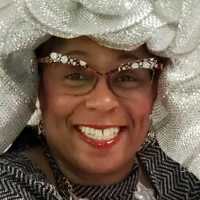
Angela Dorr
LPC
Michigan - 11 yrs exp

















How female therapist care works for Michigan residents
If you are looking for a female therapist in Michigan, you can expect a process similar to other mental health services but with attention to issues that often arise for women and people who prefer female clinicians. Therapy typically begins with an intake or consultation session where you and the therapist discuss your reasons for seeking support, current concerns, and goals. From there, the therapist will suggest an approach - which may be short-term and skills-focused or longer-term and exploratory - and you will schedule regular sessions, usually weekly to biweekly depending on need.
In Michigan, therapy is offered in a range of settings. You can meet in-person at an office, attend sessions online from your home or another appropriate location, or use a hybrid model that mixes both. Many clinicians who work in cities like Detroit, Grand Rapids, and Ann Arbor offer flexible options to accommodate work hours and family schedules. Rural and suburban areas may have fewer in-person choices, so online sessions can expand access to female therapists who specialize in the issues you want to address.
Licensure and professional standards in Michigan
When choosing a clinician you will see credentials such as LPC, LMSW, LMFT, or PhD/PsyD for psychologists. These titles reflect different training pathways and scopes of practice. Therapists in Michigan operate under state regulations and professional codes of ethics. It is reasonable to ask about education, licensure, years of experience, and any special training in areas such as perinatal mental health, trauma-informed care, or relationship therapy. Knowing a therapist's background helps you match their expertise to your needs.
Finding specialized help for female-focused concerns in Michigan
Female therapists often develop expertise in topics that disproportionately affect women or that are experienced differently by women. You can find clinicians who focus on reproductive and perinatal mental health, menopausal transitions, sexual health and relationship issues, body image, eating concerns, trauma and intimate partner violence, parenting support, and workplace stress among other areas. In larger Michigan cities like Detroit and Ann Arbor there are typically more specialists and multidisciplinary clinics, while places like Grand Rapids combine urban and regional providers who may bring varied perspectives.
To find a specialist, look at therapist profiles for listed areas of focus, training, and professional affiliations. You can also search by therapies or modalities that interest you - for example cognitive behavioral therapy, trauma-focused approaches, or integrative models that address both mental health and life transitions. If language access or cultural competence is important to you, seek out clinicians who explicitly list experience with diverse communities, LGBTQ+ clients, or multilingual services.
What to expect from online therapy for female therapist care
Online therapy has become a mainstream option in Michigan, offering convenience and access across geographic boundaries. A typical online session mirrors an in-person meeting in length and structure, but you will connect by video or phone. Before the first online session you should check technical requirements, confirm secure meeting links or login details, and choose a quiet private space where you will not be interrupted. Many therapists will also review consent forms and discuss how emergency situations are handled when working remotely.
Online work can be especially helpful if you live outside major centers or have scheduling constraints. It can also make it easier to maintain continuity of care if you travel or relocate within the state. While online sessions increase access, you may want to discuss with a potential therapist how they adapt interventions for remote work - some hands-on methods or group formats may be offered differently online than in person.
Common signs that you might benefit from female therapist care
You might consider seeking a female therapist if you notice persistent changes in mood, increasing anxiety, or difficulty managing stress that interferes with daily life. Relationship strain, challenges around intimacy, grief related to loss or infertility, or intense reactions tied to past trauma are also reasons people seek therapy. Life transitions such as pregnancy, postpartum adjustment, divorce, career changes, or caring for aging relatives can bring up issues that are often easier to work through with a therapist who has experience in those areas.
Other signs include trouble sleeping, changes in appetite, reduced interest in activities you once enjoyed, overwhelm in parenting responsibilities, or repeated patterns that you want to change. If you are feeling unsure whether therapy is right for you, an initial consultation can give you a clearer sense of how a therapist would approach your concerns and whether you feel comfortable working together.
Tips for choosing the right female therapist in Michigan
Start by clarifying what you hope to get from therapy - symptom relief, new coping skills, a deeper understanding of patterns, or support through a life transition. Use those goals to guide your search for a therapist whose profile lists relevant specialties and approaches. When you contact a clinician, ask about their experience with the specific issues you want to address, how they typically structure sessions, and what a realistic timeline for progress might look like.
Practical considerations matter too. Check whether the therapist accepts your insurance or offers a fee that fits your budget. Ask about scheduling options and cancellation policies, as well as the availability of telehealth if you need it. If location matters, search within or near cities such as Detroit, Grand Rapids, or Ann Arbor to find offices that are convenient for you. In more rural parts of Michigan, online options may be the best route to access specialized care.
Trust and cultural fit
Therapeutic progress depends heavily on the relationship you build with your clinician. Notice whether the therapist listens to your concerns, responds respectfully, and explains their approach in a way that makes sense to you. If cultural background, gender identity, religious beliefs, or life experience are important, look for a therapist who demonstrates awareness and comfort working with those dimensions. It is acceptable to try a few sessions and change providers if the fit is not right.
Preparing for your first session
Before your first appointment, take a moment to identify the main issues you want to address and any immediate goals. Gather relevant history such as recent stressors, past therapy experiences, and current medications if applicable. Prepare a list of questions about the therapist's methods, training, and expectations for homework or between-session work. Having this information ready can help you make the most of the initial meeting and decide whether to continue with that clinician.
Next steps and making a choice
Searching for a female therapist in Michigan is a personal process that blends practical details and emotional fit. Use listings to compare specialties and formats, reach out for initial consultations, and pay attention to how comfortable you feel during early conversations. Whether you are in Detroit, Grand Rapids, Ann Arbor, Lansing, or Flint, or living in a less populated county, there are clinicians who can meet a wide range of needs and preferences. Taking the first step to reach out and schedule a consultation is often the most meaningful move toward feeling better supported.
When you are ready, use the profiles on this page to explore clinicians' backgrounds, read about their approaches, and book an appointment that fits your schedule. Starting therapy is a decision to invest in your wellbeing, and finding a female therapist who aligns with your needs can make that process more effective and comfortable.