Find a Relationship Therapist in Michigan
This page connects you with relationship therapists practicing across Michigan, showing profiles, approaches, and contact options. Browse the listings below to find clinicians who match your needs in Detroit, Grand Rapids, Ann Arbor and other communities.






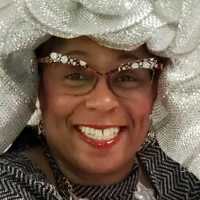
Angela Dorr
LPC
Michigan - 11 yrs exp
















How relationship therapy typically works for Michigan residents
When you start relationship therapy in Michigan, the first sessions usually focus on understanding where you and your partner are now - your communication patterns, recurring conflicts, strengths, and goals. A clinician will ask about relationship history, family context, and the concerns that brought you in. From there you and the therapist work together to set practical goals and choose approaches that fit your situation. Some therapists emphasize skills-building for conversation and problem solving, while others focus on emotions, attachment patterns, or family dynamics. Sessions are often scheduled weekly or biweekly at the outset, then adjusted as progress is made.
Whether you meet with a marriage and family therapist, a licensed professional counselor, or a psychologist, the core is the same: a collaborative process that helps you gain insight and practice new ways of relating. In Michigan, clinicians bring additional awareness of local culture, regional stressors, and resources - for example, the realities of commuting in Detroit or the way seasonal changes affect routines in smaller towns. That local knowledge can make treatment feel more relevant to your life.
Finding specialized relationship help in Michigan
Relationship issues span a wide range, so you may look for a clinician who advertises specific specialties - couples therapy, premarital counseling, work with blended families, support for non-monogamous arrangements, or help for partners navigating cultural or faith-based differences. In larger cities such as Detroit, Grand Rapids, and Ann Arbor you will often find clinicians who list multiple specialties and who have experience with diverse populations. In Lansing and Flint, clinicians may offer a mix of in-person sessions and remote options to serve clients across the region.
Start by identifying the qualities that matter most to you. If you want a therapist who uses a particular approach - for example emotionally focused therapy or evidence-informed communication training - check profiles and ask about training during an initial call. You can also look for clinicians who highlight experience with issues similar to yours, such as recovery from infidelity, parenting disagreements, or stress related to life transitions like job changes or relocation within Michigan. Many therapists describe their typical client and treatment style, which helps you narrow the field before making contact.
What to expect from online relationship therapy
Online therapy has become a common and practical option across Michigan, offering flexibility that can be especially helpful when weather, work, or caregiving responsibilities make it hard to attend in-person sessions. When you choose remote sessions, expect to use video conferencing for most meetings, though some clinicians also offer phone sessions when video is not possible. Sessions generally follow the same therapeutic structure as in-person work - assessment, goal-setting, and skill practice - adapted to a virtual format.
Preparing for online sessions helps them run smoothly. Choose a quiet spot where you and your partner can speak openly, test your camera and microphone before the first appointment, and think about how you will recreate the sense of focus that an office provides. Online therapy also allows you to involve co-parents or family members who live far away, and it can make it easier to fit sessions into a busy schedule. If you live in a more remote part of Michigan, online care increases your options and can connect you with specialists who might not be available locally.
Common signs you might benefit from relationship therapy
There is no single signal that says therapy is the right step, but several patterns often indicate that outside support would be helpful. When arguments feel repetitive and never really resolve, when small disagreements escalate quickly, or when either partner withdraws emotionally most of the time, therapy can offer a framework to change those patterns. You might also consider therapy if important conversations about money, intimacy, parenting, or future plans consistently break down, or if a major life event like a relocation, job loss, or a health issue has strained your connection.
Other signs include a loss of trust after breaches such as affairs or secrecy, a steady decline in emotional or physical closeness, or difficulty co-parenting after separation. Therapy is also valuable for couples who want to strengthen their relationship before a major step such as marriage, moving to a new community in Michigan, or blending families. You do not need to wait for a crisis; many people come to couples therapy to learn skills that make their partnership more resilient over time.
Tips for choosing the right relationship therapist in Michigan
Choosing a therapist is a personal decision. Begin by considering practical factors - location, availability, and whether a clinician accepts your insurance or offers a fee structure you can manage. In cities like Detroit and Grand Rapids you may have more scheduling options and evening appointments, while in smaller towns you might prioritize clinicians who offer online sessions to expand availability. Once logistics are sorted, focus on fit. Look for someone whose described approach resonates with you - for instance, a therapist who emphasizes emotion work if you want to deepen emotional connection, or one who teaches concrete communication tools if conflict management is your priority.
During an initial consultation, ask how they typically work with couples and what a typical treatment plan looks like. Inquire about experience with issues similar to yours and whether they have worked with couples from backgrounds like yours, including cultural or LGBTQ+ identities. You can also ask about their policies on personal nature of sessions and recording, how they handle sessions when partners disagree about attendance, and how progress is measured. It is reasonable to expect a therapist to explain their approach in clear terms and to offer a starting plan you both can consider.
Balancing credentials and rapport
Credentials matter because they indicate training and licensure, but rapport matters just as much. Licenses you might see in Michigan include marriage and family therapy credentials, counseling licenses, and psychology degrees. Verifying a license and checking for any disciplinary actions is a sensible step. Still, a therapist who shows empathy, listens well, and makes both partners feel heard is often the one who will help you move forward. If the first therapist you try does not feel like a good fit, it is fine to try another; finding the right match can make a big difference.
Making the most of relationship therapy in Michigan
To get the most from therapy, come prepared with a few priorities you want to address and be willing to practice new skills between sessions. Many clinicians give exercises to try at home - conversation prompts, listening practices, or short behavioral experiments that help shift interaction patterns. Keep expectations realistic; change usually unfolds gradually. Celebrate small steps and communicate with your therapist if you feel stuck or if priorities shift.
Finally, consider practical supports in your community. Local classes, community centers, and faith-based organizations in cities like Ann Arbor and Lansing may offer workshops or resources that complement therapy. If financial cost is a concern, ask therapists about sliding-scale options or reduced-fee clinics in your area. Relationship work can be deeply meaningful, and when you pair a thoughtful therapist with a willingness to do the work between sessions, you increase the chances of lasting change.
Whether you live in a busy neighborhood of Detroit, a lakeside town, or a neighborhood near Grand Rapids, Ann Arbor, Lansing, or Flint, exploring profiles and reaching out for an initial conversation is the first step. Use that introductory contact to gauge fit and decide together what the next step will look like for your relationship.