Find a Cancer Therapist in Minnesota
This page lists therapists who specialize in supporting people affected by cancer across Minnesota. Browse the profiles below to compare specialties, approaches, and availability in your area.



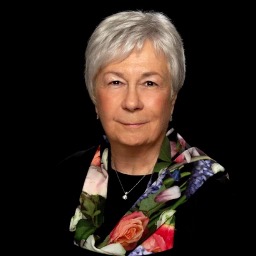

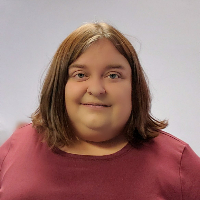




Katie Shadrick
LPCC
Minnesota - 7 yrs exp
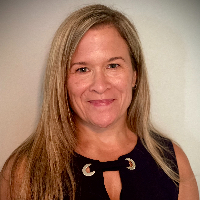

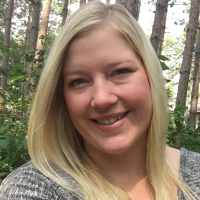






Rebecca Zabinski
LPCC
Minnesota - 13 yrs exp





How cancer therapy works for Minnesota residents
If you are coping with a cancer diagnosis, treatment side effects, or life after cancer, therapy can help you manage stress, process emotions, and build coping strategies. In Minnesota, therapists who focus on cancer-related concerns often combine talk therapy with practical tools for managing anxiety, depressive symptoms, and relationship changes. You can expect an initial evaluation that explores your medical history, current challenges, and goals for therapy, followed by a tailored plan that may include short-term coping strategies and longer-term work on meaning, identity, and adjustment.
Therapists in this specialty often coordinate with oncology teams, social workers, and support organizations to understand your full context. While therapists do not provide medical treatment, they work alongside medical providers to help you manage the emotional and behavioral aspects of the cancer experience. Approaches vary from cognitive-behavioral techniques that address distressing thoughts and behaviors to trauma-informed and meaning-centered therapies that focus on values and existential concerns.
Finding specialized help for cancer in Minnesota
When you begin searching for a therapist, look for clinicians who list oncology, cancer care, or survivorship in their areas of focus. You may find therapists based near major medical centers in Minneapolis, Saint Paul, and Rochester who have experience collaborating with oncology teams. In more rural parts of Minnesota, teletherapy expands access, allowing you to connect with specialists even if they are not local. Consider whether you prefer a therapist with experience in specific areas such as palliative care support, fertility concerns, body image after surgery, or family and caregiver counseling.
Insurance and payment options in Minnesota vary, and many therapists note whether they accept Medicaid, Medicare supplemental plans, or private insurance. If cost is a concern, you can search for clinicians who offer sliding scale fees or who work with nonprofit programs that support people affected by cancer. Local cancer support organizations and hospital social work departments can also recommend therapists with relevant experience and may offer group programs that complement individual therapy.
What to expect from online therapy for cancer
Online therapy can be a practical option whether you live in Minneapolis, Saint Paul, Rochester, Duluth, Bloomington, or a smaller town. You can expect sessions by video or phone that mimic the structure of in-person visits - a check-in, focused work on the issues you bring, and collaborative planning for homework or coping tools. Many people appreciate the convenience of remote sessions when treatment schedules, fatigue, or travel make in-person visits difficult.
Before you start, your therapist will explain how sessions are scheduled, how to handle missed appointments, and what to do in an emergency. They will also discuss communication outside of sessions, such as email or messaging policies. If you choose online therapy, find a quiet, comfortable spot for sessions and consider how to manage interruptions so that you can focus. In some cases, therapists offer a mix of in-person and online sessions to accommodate changing needs over the course of treatment and recovery.
Common signs you might benefit from cancer therapy
You may consider therapy at any stage of the cancer journey. If you find that anxiety about scans or treatment is affecting your sleep or daily functioning, therapy can help you develop strategies to reduce worry and manage symptoms. Persistent sadness, loss of interest in activities you once enjoyed, or difficulty with concentration are other reasons to reach out. Relationships with partners, family members, or friends often change after a diagnosis, and therapy can provide a place to navigate those shifts.
Physical symptoms such as pain and fatigue can also take an emotional toll. If symptom management feels overwhelming or if you notice that coping strategies are no longer effective, a therapist can work with you on pacing, activity planning, and techniques to reduce distress. Grief and anticipatory grief are common experiences during serious illness, and therapy can help you process loss while building resilience. Caregivers and family members often benefit from therapy as well, because their well-being is closely linked to the support they provide.
Tips for choosing the right therapist in Minnesota
Start by clarifying what you most want from therapy - whether it is short-term coping skills, ongoing support during treatment, help with relationships, or assistance with meaning and acceptance. Use those priorities when reading therapist profiles. Look for clinicians who mention oncology experience, survivorship, or work with chronic illness, and pay attention to the modalities they use so you can choose an approach that fits your preferences.
Consider practical factors such as location, scheduling availability, and whether the therapist offers evening or weekend sessions if that is helpful. If you are considering teletherapy, ask about the technologies they use and whether they can provide documentation needed for insurance reimbursement. It can be useful to schedule a brief phone consultation or an initial session to get a sense of the therapist's style and whether you feel heard. Trusting your instincts about rapport is important - the relationship you build with your therapist often affects how much progress you make.
Language needs, cultural background, and faith or spiritual considerations can be relevant, so look for therapists who note experience working with diverse communities or who indicate openness to addressing spiritual concerns. If you live in or near Minneapolis, Saint Paul, or Rochester, you may have access to therapists who collaborate closely with hospital-based oncology programs. In other parts of the state, teletherapy broadens your options and makes it possible to connect with clinicians who specialize in cancer-related care.
Preparing for your first sessions and practical considerations
Before your first appointment, gather any information you think will help your therapist understand your situation - recent medical updates, a brief history of treatment, and the names of any other professionals involved in your care. Think about what you want to prioritize in therapy and be ready to discuss how symptoms, relationships, and daily routines have been affected. You do not need to have everything figured out - your therapist will guide the conversation and help you set achievable goals.
Transportation and accessibility are practical concerns for many Minnesotans. If travel to a clinic is difficult due to fatigue or side effects, ask about home-based or teletherapy options. If cost is a concern, discuss payment plans or sliding scale options during the initial conversation. Several clinics and nonprofit resources in Minnesota offer programs designed for people living with cancer, and your therapist can help you navigate these supports.
Finding ongoing support beyond individual therapy
Therapy is often one part of a broader support system. You may find benefit in group programs that focus on coping skills, mindfulness, or survivorship, and these are sometimes available through hospitals or community organizations in larger cities like Minneapolis and Saint Paul. Peer support groups, rehabilitation services, and occupational therapy can also address related needs such as energy management and rebuilding routines. Your therapist can help you identify complementary supports based on your goals.
Remember that seeking help is a sign of strength, not weakness. Whether you are newly diagnosed, in active treatment, or navigating life after cancer, connecting with a therapist who understands oncology-related concerns can provide practical tools and emotional relief. Use the listings above to explore profiles, read about training and approaches, and reach out to therapists who seem like a good fit for your needs in Minnesota.
Next steps
When you are ready, reach out to a therapist profile that fits your priorities and ask about availability, insurance, and whether they work with people in similar situations. Taking that first step can make it easier to manage the many changes that come with cancer, and it can open a path toward better coping, clearer decisions, and more support through each stage of the journey.