Find a Depression Therapist in Minnesota
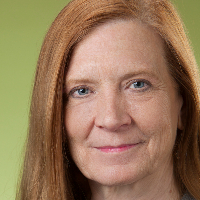
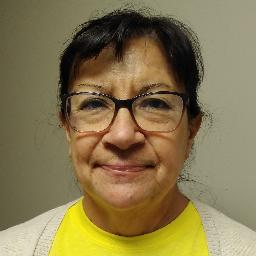
This page connects visitors with clinicians who focus on depression care throughout Minnesota, including urban and rural areas. Browse the therapist profiles below to compare approaches, availability, and areas of expertise.






















How depression therapy typically works for Minnesota residents
If you decide to pursue therapy for depression in Minnesota, the process usually begins with an initial intake session where a therapist asks about your concerns, history, and current life context. That conversation helps shape a treatment plan that aligns with your goals and day-to-day needs. Many therapists use evidence-informed approaches such as cognitive behavioral therapy, interpersonal therapy, or behavioral activation, while others integrate supportive counseling, mindfulness techniques, or trauma-informed methods depending on your situation.
Therapy length and frequency vary. Some people meet weekly for a few months while others continue with less frequent check-ins over a longer period. Therapists will often measure progress through regular conversation and agreed-upon goals, adjusting techniques if something does not feel helpful. If medication or more intensive psychiatric care may be beneficial, a therapist can explain how to coordinate care with a primary care provider or a psychiatrist in your area.
Finding specialized help for depression in Minnesota
When you search for a clinician who specializes in depression, look for professionals who list depression, mood disorders, or related concerns as a focus. In larger centers like Minneapolis and Saint Paul you will find clinicians with a wide range of specialties and training who work with adults, teens, older adults, and specific populations. In places such as Rochester and Duluth clinicians may offer a mix of clinic-based and community-centered services, which can include university-affiliated programs or community mental health centers that offer sliding scale options.
You can narrow your search by considering the approach you prefer - some people want skills-based therapy that teaches coping strategies, while others value a relational approach that explores patterns in relationships and how they affect mood. Experience with particular life situations - such as perinatal depression, workplace stress, grief, or chronic health conditions - can also be important when you are choosing a therapist. If cultural background, language, or faith is central to your care, search for clinicians who explicitly mention those competencies in their profiles and descriptions.
What to expect from online therapy for depression
Online therapy has become a common option for Minnesota residents, offering flexibility if you live outside major cities or if winters make travel difficult. In an online session you and your therapist will connect by secure video or sometimes by phone, and sessions are structured much like in-person meetings with a focus on conversation, skills practice, and homework between sessions when appropriate. Therapists will discuss how to handle emergencies and what to do if you are in crisis, and they will clarify how they manage boundaries around contact outside session hours.
Online therapy can make it easier to access specialists who are not available in your immediate town. If you live near Minneapolis, Saint Paul, or Rochester you may find a mix of in-person and online options that let you combine the convenience of telehealth with occasional face-to-face meetings. When using online care, make sure you have a quiet, comfortable environment for sessions and ask the therapist about technology back-up plans if a connection drops. Many clinicians will also review privacy practices with you so you know how your information and session records are handled.
Common signs that you might benefit from depression therapy
You might consider talking with a therapist if you notice persistent changes in mood or functioning that interfere with your daily life. These changes can show up as ongoing sadness, a loss of interest in activities you once enjoyed, changes in sleep or appetite, or lower energy. You may find it harder to concentrate at work or school, feel more irritable or withdrawn in relationships, or notice that daily tasks feel overwhelming in ways they did not before.
Sometimes the signs are less about high distress and more about a steady decline in motivation, enjoyment, or confidence. Seasonal changes can be particularly noticeable in Minnesota, where shorter, darker winter days can affect mood for some people. If you are concerned about thinking patterns that increase self-criticism, hopelessness, or avoidance, therapy can offer strategies to shift those patterns and rebuild routines that support wellbeing. If you ever experience thoughts of harming yourself, it is important to seek immediate help through local emergency services or crisis lines while reaching out to a mental health professional.
Tips for choosing the right depression therapist in Minnesota
Start by identifying what matters most in therapy for you. Consider whether you prefer a clinician with a particular training background, such as social work, psychology, or marriage and family therapy, and whether licensure or years of experience are important. Think about practical factors like whether you need evening or weekend appointments, whether you want in-person sessions in cities like Minneapolis or Saint Paul, or whether online-only work fits your schedule better.
When you review profiles, pay attention to how therapists describe their approach and the populations they serve. If you are looking for someone who understands your cultural identity or life stage, search for clinicians who explicitly mention that experience. It is often helpful to schedule a brief consultation call to get a sense of rapport - that first conversation can help you judge whether your communication styles mesh and whether the therapist’s approach feels likely to help you meet your goals.
Insurance and cost are practical considerations. Confirm whether a therapist accepts your insurance or offers sliding scale fees if cost is a barrier. Some clinics in Rochester and other regional hubs offer community-oriented pricing or training clinics where supervised clinicians provide care at reduced rates. Ask about cancellation policies, typical session length, and how progress is reviewed during treatment.
Local considerations and next steps
Access to services varies across Minnesota. In metropolitan areas you will find a dense network of clinicians and specialty programs, while in rural communities clinicians may be fewer and wait times longer. Online options help bridge that gap and make it easier to maintain continuity of care if you move between regions or travel seasonally. Local resources such as community mental health centers, university clinics, and employee assistance programs can also be useful starting points if you are navigating referrals or insurance questions.
Taking the first step can feel difficult, but you do not have to manage everything on your own. Use the listings on this page to compare clinicians, read about their specialties, and reach out for an initial conversation. If you are unsure where to start, consider identifying one or two therapists whose approach and availability match your needs and scheduling a short consultation to see how it feels. Over time you can refine your goals with your therapist and build a treatment plan that fits your life in Minnesota, whether you live in Minneapolis, Saint Paul, Rochester, Duluth, Bloomington, or elsewhere in the state.
Support while you search
While you are looking for a therapist, lean on trusted friends, family, or primary care clinicians for immediate support and practical help. If you feel overwhelmed, ask a clinician about short-term crisis options and local resources that can help you stay safe and connected. Finding a good match may require a few conversations, and that is part of the process of finding the right kind of help for you.
When you are ready, use the directory listings above to narrow your choices and contact clinicians to learn more about how they can help with depression in the Minnesota context. A thoughtful match can open the door to improved coping, clearer decision-making, and a renewed sense of possibility in day-to-day life.