Find a Dissociation Therapist in Minnesota
This page connects you with therapists who focus on dissociation across Minnesota. Use the listings below to review specialties, therapy approaches, and locations to find a match that meets your needs.
Browse profiles to learn about clinicians in Minneapolis, Saint Paul, Rochester and beyond, then reach out to schedule an initial consultation.



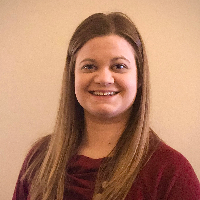














Rebecca Zabinski
LPCC
Minnesota - 13 yrs exp


Lindsey Peterson
LICSW
Minnesota - 16 yrs exp




How dissociation therapy works for Minnesota residents
Dissociation therapy is a process that helps you understand and manage experiences where you feel disconnected from your thoughts, memories, body, or surroundings. In Minnesota, clinicians who specialize in this area draw from trauma-informed, stabilizing, and skills-based approaches to help you build continuity and coping strategies over time. Therapy often begins with safety and stabilization - creating routines, grounding practices, and symptom management strategies that you can use daily. As trust and stability grow, many therapists introduce methods to gently process distressing memories and integrate fragmented experiences, always pacing the work to match your readiness.
Your therapist will tailor the plan to your circumstances and goals, whether you live in an urban center like Minneapolis or Saint Paul, a smaller city such as Rochester or Duluth, or a more rural part of the state. Services can include individual therapy, family consultation, coordination with other health or legal professionals, and skills training that you apply between sessions. The aim is to help you feel more present and connected in everyday life while reducing the disruption dissociation can cause.
Finding specialized help for dissociation in Minnesota
When you search for a specialist in Minnesota, you’ll find clinicians from a range of backgrounds - licensed counselors, clinical social workers, psychologists, and marriage and family therapists - who have chosen to focus on dissociation. Look for clinicians who describe trauma-informed practice, experience with complex stress responses, and additional training in approaches commonly used for dissociation. Many therapists list their primary methods and populations served, so you can identify someone who understands issues related to developmental trauma, attachment, or acute stress reactions.
Regional resources can also help. Urban areas like Minneapolis and Saint Paul often have multi-disciplinary clinics and university training clinics where clinicians receive specialized supervision. In Rochester you may find providers connected with hospital networks or outpatient programs that coordinate care across disciplines. If you live outside those cities, telehealth options can expand your choices while still allowing coordination with local medical or community supports when needed.
What to expect from online therapy for dissociation
Online therapy can be a helpful option for many people dealing with dissociation, especially if in-person options are limited where you live or if you prefer the convenience of sessions from home. When you engage in online therapy in Minnesota, your clinician should be licensed to practice in the state and able to discuss how they manage safety and continuity when working remotely. You can expect an initial assessment to explore your history, current symptoms, daily functioning, and any immediate safety concerns, followed by collaborative goal-setting.
Therapists often begin online sessions with grounding and stabilization techniques that translate well over video or phone - breath work, orientation exercises, and simple sensory strategies you can use between appointments. During processing work, clinicians will move at a pace suited to your needs and may suggest in-person care if they believe hands-on support or local resources could enhance your treatment. Online therapy also allows for more flexible scheduling, which can be especially useful if you live in a different city from major specialty clinics or if your schedule includes shift work, school, or caregiving responsibilities.
Common signs you might benefit from dissociation therapy
You might consider seeking a therapist who specializes in dissociation if you notice recurring experiences that interfere with daily life. These can include episodes where you feel detached from your body or emotions, memory gaps for chunks of time, or a persistent sense that events are unreal. Some people describe feeling as if they are watching life through a window or that their memories are disjointed and difficult to access. Others experience sudden changes in behavior, difficulties maintaining relationships, or trouble keeping focused at work or school because of dissociative episodes.
Emotional numbness, frequent zoning out, or the sense that familiar places and people feel strangely unfamiliar may also indicate that specialized support could help. You do not need to meet a strict checklist to benefit from therapy - if these experiences cause distress, reduce your functioning, or make it hard to pursue your goals, reaching out to a clinician who understands dissociation can be a meaningful first step.
Tips for choosing the right therapist for this specialty in Minnesota
Choosing a therapist is a personal decision and it helps to approach it with a mix of practical questions and attention to fit. Start by reviewing clinician profiles to learn about their training, areas of focus, and therapeutic approaches. You may want to prioritize therapists who explicitly mention trauma-informed work, stabilization skills, and experience with dissociation. Consider whether you prefer a clinician who emphasizes somatic strategies, cognitive approaches, or an integrative model that weaves together multiple methods.
Practical factors matter too. Check whether a therapist is licensed to practice in Minnesota and whether they offer the appointment times and session format that suit your life. If you live in Minneapolis, Saint Paul, or Rochester, you may have more options for in-person care and specialty programs; if you live farther away, telehealth availability can increase your choices. Think about insurance participation, sliding scale options, and whether you need coordination with other providers such as psychiatrists or primary care clinicians.
When you reach out for an initial consultation, use the conversation to assess fit. Ask how the clinician approaches dissociation, what a typical course of therapy might include, and how they handle setbacks or high-intensity moments. It is reasonable to ask about emergency planning in your area and how the therapist works with community resources in Minnesota. Pay attention to how you feel during that first exchange - comfort, clarity, and a sense that the therapist understands your concerns are all important indicators that a professional relationship could be productive.
Support and continuity beyond sessions
Therapy for dissociation is often most effective when it includes tools and supports that extend into everyday life. Your therapist may help you build routines, create grounding resources you can access in moments of disconnection, and identify community supports in your city or neighborhood. In Minneapolis and Saint Paul, for example, there are community mental health centers, peer support programs, and educational workshops that can complement individual therapy. In Rochester and other cities, hospital-affiliated outpatient services may provide additional coordination for medication management or specialty consultation.
Remember that progress can be nonlinear. You may notice improvements in how anchored you feel and in your ability to manage stress even as you continue to encounter difficult memories or triggers. Regular check-ins with your clinician will allow you to adjust goals and strategies over time. If one therapist is not the right fit, it is acceptable to look elsewhere until you find someone whose approach aligns with your needs.
Taking the next step
Searching for a therapist who understands dissociation is an important step toward feeling more present and connected in daily life. Use the listings on this page to explore profiles, compare approaches, and contact clinicians in Minneapolis, Saint Paul, Rochester and other Minnesota communities. An initial conversation can help you determine whether a clinician’s style and experience match your needs, and from there you can begin building the skills and supports that help you move forward.