Find a Domestic Violence Therapist in Minnesota
This page lists therapists in Minnesota who focus on domestic violence support and recovery. You can browse clinician profiles below to learn about approaches, locations, and how to connect with someone who can help.








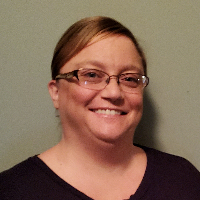
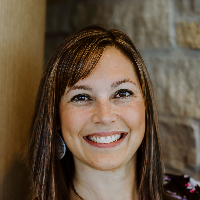

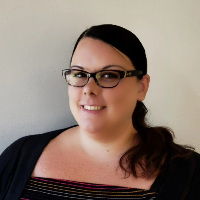
Crystal Hackett
LMFT
Minnesota - 16 yrs exp












How domestic violence therapy works for Minnesota residents
When you seek domestic violence therapy in Minnesota, the first step is often an initial assessment where a therapist learns about your current situation, safety concerns, and what you hope to achieve. That assessment helps shape a care plan that may include individual counseling, trauma-informed approaches, and coordination with local resources. Therapists aim to help you build coping strategies, strengthen decision-making skills, and address the emotional and psychological effects of abuse without making judgments about your choices. Because each situation is unique, the pace and focus of therapy are tailored to your needs and circumstances.
Therapy is not a one-size-fits-all process. Some people come for short-term support to manage immediate stress or to access safety planning and referrals. Others engage in longer-term work to process trauma, rebuild self-esteem, and repair relationships when that is a goal. Therapists who specialize in domestic violence draw on a range of evidence-informed techniques and adapt them to your cultural background, life stage, and practical realities in Minnesota communities.
Finding specialized help for domestic violence in Minnesota
Finding a therapist with experience in domestic violence can help you feel understood and supported. You can start by looking for clinicians who list trauma-informed care, domestic violence, or intimate partner violence in their expertise. In larger cities like Minneapolis and Saint Paul you may find a wider variety of specialists and therapy modalities, while smaller communities or suburbs may require more flexibility around session formats or travel times. If you live in Rochester, Duluth, Bloomington, or other parts of the state, consider whether you prefer a therapist who focuses on crisis intervention, long-term trauma work, family systems, or culturally specific approaches.
It can also be useful to look for therapists who collaborate with local advocacy organizations, legal aid services, or community health resources. Those connections help if you need assistance beyond talk therapy, such as help with safety planning, housing resources, or navigating protective orders. While browsing profiles, note each clinician's stated experience with domestic violence survivors and their typical methods of care so you can prioritize matches that feel right to you.
What to expect from online therapy for domestic violence
Online therapy has become an accessible option for many people in Minnesota, especially if you live outside major urban centers or have transportation or scheduling constraints. When you choose an online therapist, expect an initial conversation about what platform you will use, how to handle emergencies, and how to create a safe setting for sessions. Therapists will often discuss how to protect your communications and what to do if you are interrupted during a session. You should ask about the therapist's protocols for safety planning when you are in the same space as an abusive partner or when secrecy is a concern.
Online sessions can offer continuity of care if you move between cities like Minneapolis and Rochester or if your schedule requires flexible hours. Some people find it easier to attend weekly sessions from home or a trusted location, while others prefer in-person visits when possible. If you choose online therapy, confirm that the clinician is licensed to provide care in Minnesota and ask how they will support you in case of a crisis between sessions.
Technology and accessibility
Online therapy typically uses video or phone sessions, and therapists can accommodate different comfort levels with technology. If you have limited internet access, a phone session may be an alternative. Discuss with your therapist how you will manage interruptions, signal for help if needed, and store any written safety plans. Clear communication about these logistics helps create a predictable structure so you can focus on recovery and planning.
Common signs that someone in Minnesota might benefit from domestic violence therapy
You might consider domestic violence therapy if you notice persistent anxiety or fear related to your relationship, unexplained injuries, or a pattern of controlling behavior by a partner. Changes in mood, sleep, or appetite can also be indicators that you would benefit from support. If you struggle with intrusive memories, difficulty trusting others, or hesitancy to leave an unsafe situation, therapy can provide tools to help you evaluate options and build emotional resilience.
People seek domestic violence therapy for many reasons beyond immediate danger. You may want help rebuilding after a relationship ends, learning to set boundaries, processing trauma, or improving communication in safer relationships. Therapy is a place to sort through practical choices and emotional responses at your own pace, with a professional who can help you weigh risks and supports specific to where you live, whether that is in urban neighborhoods of Minneapolis and Saint Paul or in more rural parts of Minnesota.
Tips for choosing the right therapist for this specialty in Minnesota
Choosing a therapist is a personal decision. Start by identifying what matters most to you - whether it is experience with domestic violence, a particular therapeutic approach, language access, or cultural competence. Read profiles to learn about clinicians' training, years of practice, and whether they have worked with people from backgrounds similar to yours. You may want to ask about a therapist's approach to safety planning, how they involve other supports when appropriate, and their experience coordinating with community advocates.
Another important consideration is logistics. Think about whether you prefer in-person work in a local office or online sessions. If you live near Minneapolis, you may have more in-person options and specialized clinics. In Saint Paul and Rochester, you may find clinicians who balance clinical work with partnerships in healthcare or social services. If you need evening or weekend availability because of work or childcare, inquire about scheduling flexibility when you contact a clinician.
Local considerations and resources in Minnesota
Minnesota has a range of community resources that can complement therapy, including advocacy organizations, shelters, and legal assistance. A therapist can help you connect with these services and discuss how they fit into a safety plan. If you are navigating legal questions, housing needs, or child custody concerns, look for clinicians who have experience working with local courts and support networks or who can refer you to trusted advocates in your city or county.
When you are ready to reach out, it is okay to contact more than one therapist to ask questions and get a sense of fit. A brief phone consultation can help you gauge whether a clinician's style feels supportive and whether they understand the specific challenges you face in Minnesota. Trust your instincts about who feels respectful and practical in their approach.
Taking the next step
Making the first contact can feel difficult, but therapists are available to listen and to help you explore options. Whether you live in the Twin Cities, in Rochester, or elsewhere in the state, you can find clinicians who focus on domestic violence and who offer approaches that fit your needs. Use the listings on this page to compare profiles, read about specialties, and make an initial connection. If you are in immediate danger, contact local emergency services or a local crisis line right away. For non-urgent support, reaching out to a therapist can be an important step toward clarity, safety planning, and emotional recovery.