Find a Female Therapist in Minnesota
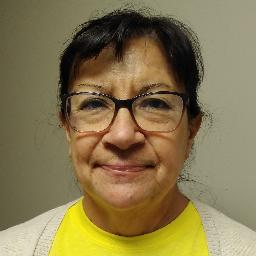
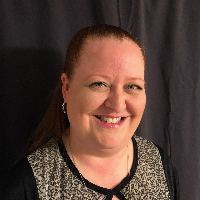
Browse licensed female therapist therapists practicing across Minnesota, including Minneapolis, Saint Paul, and Rochester. Use the listings below to compare approaches, read profiles, and find a clinician who fits your needs.






















How female therapist therapy works for Minnesota residents
Female therapist therapy typically combines talk-based approaches with evidence-informed techniques to address concerns you bring to therapy. When you begin, a therapist will usually take time to understand your goals, background, and what has or has not worked for you in the past. Appointments often follow a regular cadence - weekly or biweekly sessions are common - and each session focuses on building insight, skills, and practical strategies you can apply between meetings. Therapists licensed in Minnesota are trained to work with adults, adolescents, and families across a range of issues, and many tailor their approach to reflect cultural, gender, and regional factors that matter to you.
Finding specialized help for female therapist in Minnesota
Finding the right specialist begins with clarifying what you want to address. Some therapists emphasize trauma-informed care, others focus on relationship patterns, and some specialize in life transitions, parenting, or reproductive health concerns. In cities like Minneapolis and Saint Paul you may find a wider variety of specialties and therapists who work with particular identities or communities. Rochester, Duluth, and Bloomington also have clinicians who can provide in-person care, while many Minnesota therapists offer remote appointments that expand your options beyond your immediate area. Consider looking for therapists who list their areas of focus, training, and therapeutic approaches so you can match a clinician’s expertise with your needs.
Local and statewide considerations
When you search in Minnesota, keep in mind the balance between convenience and specialization. If you live in an urban area, in-person sessions may be more accessible. If you live in a rural region, remote sessions can provide access to therapists whose specializations would otherwise be unavailable. Licensing and practice standards are governed by state boards, so a therapist who practices in Minnesota will be familiar with the local context, resources, and referrals that might help you achieve your goals.
What to expect from online therapy for female therapist
Online therapy has become a common option for people across Minnesota. If you choose remote sessions, you can expect appointments that mirror in-person visits in structure and therapeutic intent. Many therapists use videoconferencing for face-to-face work, with the same emphasis on rapport, goal-setting, and skill practice. You will want to learn how a therapist manages session logistics - appointment length, cancellation policies, and emergency contacts - and ask about their approach to creating a comfortable environment for remote work. Online therapy can be especially helpful if you need flexible scheduling, have caregiving responsibilities, or live outside major centers like Minneapolis or Saint Paul.
Technology and practicalities
Before your first online session, check your internet connection, the device you plan to use, and whether you have a quiet place to talk. Therapists will usually explain how they handle records, payments, and follow-up between sessions. If you prefer sessions during evenings or weekends, many clinicians make themselves available outside standard business hours. Online work can also allow you to connect with therapists who have specific cultural or linguistic experience, even if they are located in another Minnesota city.
Common signs someone in Minnesota might benefit from female therapist therapy
You might consider reaching out to a female therapist if you notice changes in your daily functioning, such as difficulty sleeping, trouble managing stress, or strained relationships that affect your work or personal life. Persistent feelings of sadness or anxiety that interfere with activities you used to enjoy are reasons to explore therapy. You might seek help for specific events such as relationship transitions, pregnancy and postpartum adjustments, or the aftermath of an upsetting experience. Therapy can also be a proactive resource if you want to develop better coping strategies, clarify your values, or build resilience as you navigate life changes in Minnesota’s social and professional environments.
When timing matters
There is no single right time to start therapy. Some people reach out during acute stress, others begin when they notice recurring patterns that limit their well-being. If symptoms are changing rapidly or interfering with safety, it is important to let a therapist know so they can discuss appropriate supports and referrals. For many, starting therapy early helps prevent concerns from becoming more entrenched over time.
Tips for choosing the right therapist for this specialty in Minnesota
Begin by identifying what matters most to you in a therapeutic relationship. Some people prioritize matching on gender or cultural background, while others focus on clinical experience with anxiety, grief, or relationship issues. Look at therapist profiles to learn about their training, modalities, and populations they serve. Consider practical questions as well - whether they accept your insurance, offer sliding scale fees, see clients in person in cities like Minneapolis or Rochester, or provide flexible remote hours so you can fit therapy into a busy schedule.
When you contact a therapist, prepare a few questions about their approach, experience, and what a typical session looks like. You can ask how they measure progress, how long they typically work with clients who present concerns like yours, and how they handle missed appointments or scheduling changes. A brief consultation call can give you a sense of their communication style and whether you feel comfortable working with them. Trust your instincts - the quality of the connection often matters as much as credentials.
Practical steps to narrow your options
Start by narrowing your search by location, availability, and areas of focus. If you are in a metropolitan area such as Minneapolis or Saint Paul, you may be able to request evening or weekend appointments to fit work hours. If you are in Rochester or a smaller community, remote sessions can expand your choices and allow you to work with clinicians who share your background or specialization. Consider language needs, cultural knowledge, and whether the therapist has experience with systems such as schools or healthcare providers that may be relevant to your situation.
Making the first appointment and what comes next
Once you decide on a therapist, scheduling an initial session is often straightforward. Many clinicians offer an intake session to gather your history and set treatment goals. You can expect to discuss what you hope to achieve, any barriers to care, and practical arrangements like payment and scheduling. After a few sessions you and your therapist will likely review progress and adjust the plan as needed. Therapy is a collaborative process - you should feel empowered to give feedback about what is working and what is not.
Whether you choose an in-person clinician in Duluth or Bloomington or work with someone remotely, the most important factor is finding a therapist who respects your goals and helps you take steps toward them. Using the listings on this page, you can compare profiles, read about therapists’ approaches, and contact clinicians to learn more before you make a decision. Taking that first step can open up new ways to manage stress, strengthen relationships, and build the skills you want for the life you are working toward in Minnesota.