Find a Mood Disorders Therapist in Minnesota
Here you will find Minnesota therapists who focus on mood disorders, offering both in-person and online options throughout the state. Browse the listings below to compare specialties, treatment approaches, and appointment availability.



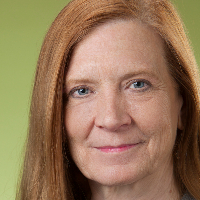







Amanda Schmidt
LPCC
Minnesota - 9 yrs exp











How mood disorders therapy typically works for Minnesota residents
If you are exploring therapy for mood concerns in Minnesota, the process usually begins with an intake or assessment session. In that first meeting you and the clinician will review current symptoms, relevant history, and your goals for treatment. That assessment helps shape a care plan that often combines regular talk therapy sessions with practical tools for day-to-day management. Some people also coordinate care with a primary care provider or a psychiatric prescriber for medication management when appropriate. Sessions can vary in frequency from weekly to biweekly depending on the level of need and the approach chosen.
Treatment approaches you may encounter
Therapists in Minnesota use a range of evidence-informed approaches that can be adapted to mood-related challenges. Cognitive-behavioral techniques help you identify and shift unhelpful thought patterns and behaviors. Interpersonal methods focus on improving relationships and social supports that affect mood. Behavioral activation emphasizes engagement in meaningful activities to counter withdrawal and low motivation. Some clinicians also integrate mindfulness strategies, emotion-focused work, or problem-solving therapies. Your therapist will explain their approach and how it fits your goals so you can make an informed decision about what feels right for you.
Finding specialized help for mood disorders in Minnesota
When you look for a specialist, consider both training and experience specific to mood presentations. In larger metro areas like Minneapolis and Saint Paul you will often find clinicians with subspecialty training in mood disorders, perinatal mood concerns, or adolescent depression. Rochester and other regional centers also host providers who combine clinical expertise with familiarity about local health resources. You can search for clinicians who list mood disorders, depression, or bipolar-related work in their profiles and who describe relevant experience, such as work with mood-regulation strategies or longer-term mood management plans.
Licensing and credentials to look for
Therapists come from different professional backgrounds, including licensed psychologists, licensed clinical social workers, licensed professional counselors, and marriage and family therapists. Many of these clinicians receive continuing education in mood-focused therapies and may hold additional certifications in areas such as cognitive-behavioral therapy or dialectical behavior therapy. Asking about a clinician's training and experience with mood conditions will help you understand their approach and whether it aligns with what you need.
What to expect from online therapy for mood disorders
Online therapy has expanded access to mood disorder treatment across Minnesota, especially for people outside major cities or those balancing busy schedules. When you choose online sessions you can expect to use video or phone conversations for most of your appointments. Therapists will generally follow similar treatment models for online work as they do in person - assessment, collaborative goal setting, skills practice, and ongoing progress reviews. In cases when in-person assessment or medication adjustments are needed, your clinician can help you connect to local medical services.
Practical considerations for telehealth
Before your first online session you will want to check that you have a reliable internet connection and a quiet place where you feel comfortable talking. Some therapists offer a hybrid model where you can alternate between in-person visits in Minneapolis, Saint Paul, or Rochester and virtual sessions. Make sure to ask about appointment length, cancellation policies, and whether the clinician uses secure appointment platforms. If you rely on insurance, confirm coverage for telehealth visits and any out-of-network reimbursement policies that might apply.
Common signs that someone might benefit from mood disorders therapy
You may find it helpful to seek professional support if you notice persistent changes in mood that interfere with daily life. These can include prolonged low mood, a loss of interest in activities you once enjoyed, marked changes in sleep or appetite, trouble concentrating, or frequent irritability. Some people experience dramatic shifts between high and low mood over time, recurrent feelings of hopelessness, or difficulty managing emotions in ways that affect work or relationships. If these patterns persist or worsen, talking with a clinician can help you clarify what is happening and explore effective strategies.
When to reach out sooner
If mood changes lead to trouble keeping up with responsibilities, create significant relationship strain, or involve thoughts of harming yourself, it is important to connect with a professional promptly. Many clinics and private practitioners in Minnesota can help you plan immediate supports and next steps. If you are unsure, a brief consultation with a therapist can help you determine the level of care that best fits your needs.
Tips for choosing the right therapist for mood disorders in Minnesota
Choosing a therapist is a personal decision and you should feel comfortable asking questions during an initial contact. Start by identifying what matters most to you - whether that is a clinician's experience with a specific mood concern, their therapeutic approach, cultural competency, availability for after-school or evening sessions, or whether they offer online appointments. In urban centers such as Minneapolis and Saint Paul you may have many options and can prioritize fit and specialty. In smaller communities you might focus on a therapist's flexibility, telehealth offerings, and connections with local mental health resources in places like Rochester.
Questions to ask and practical checks
When you reach out to a potential therapist, ask about their experience treating mood disorders and the types of strategies they commonly use. Inquire about session frequency and typical duration for the issues you are facing, and whether they coordinate care with other providers. Verify logistical details such as appointment hours, fees, and insurance participation. It is also reasonable to ask about accessibility - for example, whether they offer sliding scale fees, evening appointments, or shorter check-in sessions. A good match often depends on both your sense of rapport and practical considerations that make ongoing care possible.
Local supports and continuity of care
Minnesota offers a range of supports beyond individual therapy, including community programs, peer-led groups, and specialty clinics in larger medical centers. If you live in or near Minneapolis or Saint Paul you may have access to university-affiliated clinics and hospital-based behavioral health services that provide integrated care. In Rochester and regional hubs you can often find coordinated teams that include therapists and medical providers working together. Your therapist can help you navigate these options and build a care plan that adapts as your needs change.
Next steps
When you are ready to begin, use the listings above to compare therapist profiles, filter by specialty, and request an appointment. Many clinicians offer an initial phone or video consultation to answer your questions and help you decide on the best next step. Finding the right therapist takes time but starting with clear goals and practical questions will help you connect with support that fits your life and helps you move forward.