Find a Dependent Personality Therapist in Mississippi
This page features therapists across Mississippi who focus on Dependent Personality concerns, including clinicians serving Jackson, Gulfport, Hattiesburg and nearby areas. Browse the listings below to read profiles, view specialties, and contact providers who may be a good match for your needs.


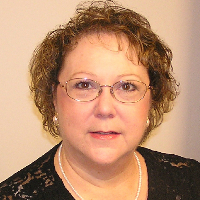
Phyllis Houston
LPC
Mississippi - 26 yrs exp

















How dependent personality therapy typically works for Mississippi residents
When you begin therapy for dependent personality concerns in Mississippi, you will usually start with an assessment that explores your history, relationship patterns, and current challenges. That first phase is about building a working relationship with a clinician who understands the dynamics of dependency - how it shows up in decision-making, reliance on others for emotional support, and difficulties asserting independence. From there you and your therapist will develop a plan that may include skill-building, exploring underlying beliefs, and practice in real-life situations. Sessions often balance understanding how dependency developed with practical steps you can take to increase confidence and self-reliance.
Therapists in the state tailor approaches to fit your life context, whether you live in a city like Jackson and want in-person appointments, or you are further from urban centers and rely on remote sessions. The therapeutic process is collaborative - you and your clinician set goals, track progress, and adjust methods over time. Many people find that regular sessions combined with exercises to practice between meetings help reinforce new ways of relating and decision-making.
Finding specialized help for dependent personality in Mississippi
Finding someone who understands dependent personality patterns is often about looking for clinicians who list relational patterns, attachment issues, or dependency traits among their specialties. You can use the listings to review clinicians’ training, licensure, and stated approaches. In Mississippi you will encounter professionals with different credentials - licensed professional counselors, licensed clinical social workers, and psychologists - so checking for state licensure and relevant experience helps ensure you find an appropriate match. Proximity to major population centers like Jackson, Gulfport, and Hattiesburg may influence whether you choose in-person work or remote care.
When searching, consider clinicians who describe experience working with attachment-related concerns, relationship challenges, self-esteem, or assertiveness. These areas often overlap with what people seek when they want to address dependent patterns. You may also look for descriptions that mention structured approaches for building autonomy, since some therapy models emphasize skill development and behavioral experiments that can be very helpful for dependency issues.
What to expect from online therapy for dependent personality
Online therapy can be a practical option in Mississippi, particularly if you live outside metropolitan areas or have scheduling constraints. With teletherapy you can connect with clinicians in Jackson, Gulfport, Hattiesburg, or other parts of the state without long drives. Expect the first few sessions to focus on assessment and rapport - the clinician will want to understand how dependency shows up for you in relationships and daily life. Many therapists use a mix of talk therapy and homework assignments in online care, including role plays, communication exercises, and tasks to try between sessions that build decision-making skills and self-efficacy.
Technically, online sessions may take place by video or sometimes by phone, and you should discuss practical matters up front - session length, frequency, fees, and how to reach the clinician in an emergency. You and your therapist will also talk about how to create a comfortable environment for work, including finding a quiet, uninterrupted place where you can speak freely. For many people, remote sessions offer continuity of care when life circumstances change or when in-person visits would be difficult.
Common signs that someone in Mississippi might benefit from dependent personality therapy
You might consider therapy if you notice persistent patterns that leave you relying heavily on others for guidance, reassurance, or everyday decisions. This can show up as difficulty making choices without input, intense fear of abandonment even in stable relationships, or repeatedly staying in unhealthy relationships to avoid being alone. You may also feel uncomfortable expressing disagreement, or you might find yourself taking on a submissive role to maintain relationships. These patterns can lead to frustration, anxiety, and a sense that your personal goals are sidelined.
Life events often highlight dependency patterns - a move to a new city, the end of a relationship, a change in family dynamics, or career shifts may reveal areas where you want more confidence and independence. If these patterns interfere with your ability to pursue work, education, or meaningful relationships, working with a clinician who understands dependency can help you develop strategies to act more in line with your values.
Practical tips for choosing the right therapist in Mississippi
Begin by clarifying what you want from therapy - whether you want to focus on decision-making, relationship dynamics, self-confidence, or a combination of concerns. Use the directory profiles to compare clinicians’ stated approaches and experience. It is reasonable to check licensure status and training to confirm that the provider meets Mississippi requirements. You may also reach out with a brief question about experience with dependent personality traits and ask about treatment methods they tend to use. A short introductory call can give you a sense of rapport and whether the clinician’s communication style fits your needs.
Consider logistics as well - the location of an office if you prefer in-person work, appointment availability, and the option for remote sessions. If you live near Jackson, Gulfport, or Hattiesburg you may have more in-person options, while rural residents may rely more on teletherapy. Discuss fees and insurance coverage during initial outreach so there are no surprises. If you have cultural or identity-related preferences, look for clinicians who indicate familiarity with those aspects of care, since feeling seen and understood can be an important part of successful treatment.
Questions to ask during your first sessions
During early meetings you may ask about a clinician’s approach to dependency-related concerns, expected session structure, and typical timelines for seeing change. Inquire about methods for practicing new skills between sessions and how progress will be measured. You should also feel comfortable discussing any personal preferences about pace and boundaries in therapy. A good therapist will be willing to tailor their work to your goals and to explain therapeutic steps in clear terms.
Local considerations and next steps
Mississippi has a mix of urban and rural settings, and access to providers can vary by region. If you live in or near Jackson, Gulfport, or Hattiesburg you may find a broader variety of in-person options, while telehealth expands access across the state. When you review listings, pay attention to clinicians who note experience with relationship-focused therapy and practical skill-building, since those elements often align well with work on dependent personality patterns.
Starting therapy is a personal decision, and it can help to try an initial session or two to see how the relationship feels. Progress often happens incrementally - small shifts in how you make decisions, express needs, and manage independence can add up over time. Use the directory listings to reach out, read clinician profiles carefully, and choose someone whose experience and approach fit what you want to achieve. Taking that first step can lead to clearer direction, more self-confidence, and better tools for managing reliance on others in ways that serve your life and relationships.