Find a Therapist in Missouri
Welcome to our Missouri online therapist listings - a curated directory of licensed mental health professionals offering remote care across the state. All therapists shown hold Missouri licenses and professional credentials. Explore profiles to compare specialties, availability, and therapeutic approaches so you can find a clinician who fits your needs.











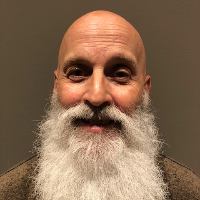
Timothy Klopfenstein
LPC
Missouri - 25 yrs exp












Online therapy in Missouri - an overview
Online therapy has become a widely used option for people across Missouri who want to access mental health support from home, work, or another convenient location. In many communities - especially rural areas where in-person options may be limited - licensed clinicians now offer video, phone, and messaging sessions to increase access. If you live in Missouri, you will generally see therapists who are licensed to practice in the state and who follow the rules and professional standards set by Missouri licensing authorities. Teletherapy models continue to evolve, and therapists are adapting their practices to provide thoughtful, practical care through remote formats.
How online therapy is delivered
Therapists may offer synchronous sessions by video or phone, and some provide asynchronous communication through text-based messaging or structured digital exercises between appointments. A typical first step is a consultation or intake session to discuss your goals, technology preferences, and the logistics of remote care. Many clinicians have refined how they build rapport and conduct assessments online, so you can expect an approach similar to in-person care but adjusted for the remote setting.
Benefits of online therapy for Missouri residents
Online therapy offers several practical advantages that may be relevant to your situation. If you live far from a therapist, remote sessions reduce travel time and make it easier to fit appointments into a busy schedule. You may find increased access to clinicians who specialize in a particular issue, cultural background, or therapeutic approach that is not available locally. For parents, people with mobility limitations, or those balancing work and caregiving responsibilities, remote sessions can lower the logistical barriers to consistent care. Online therapy can also help you maintain continuity of treatment when you move within the state or are traveling temporarily, provided your clinician is licensed to serve you in Missouri.
Common issues online therapists in Missouri help with
Licensed online therapists in Missouri work with a broad range of concerns. You can seek help for mood difficulties such as depression and anxiety, challenges in relationships and family dynamics, stress management and work-related burnout, grief and loss, and transitions like relocation or career change. Many therapists also support people facing trauma-related symptoms, parenting challenges, identity and sexuality questions, and life-stage issues. Practitioners often tailor their approach to your goals, combining evidence-informed techniques with attention to your personal history and cultural context.
How to verify a therapist's license in Missouri
Before you begin care, it is wise to confirm that a therapist holds an active Missouri license in the appropriate discipline. Start by asking the clinician for their full name, license type, and license number; reputable professionals will provide that information and the board or agency where they are registered. You can then use Missouri's professional licensing search tools to look up the license status, expiration date, and any public disciplinary records. If you prefer, call the licensing office directly to verify details. Checking licensure also helps you confirm whether the therapist is authorized to provide teletherapy in Missouri and whether their training matches the services you need.
License types to expect
Therapists in Missouri may hold different types of licenses depending on their training and scope of practice. Common credentials include Licensed Professional Counselor, Licensed Clinical Social Worker, Licensed Marriage and Family Therapist, and licensed psychologists with doctoral degrees. Each credential reflects distinct education, supervised experience, and examination requirements. When you review a profile, note the therapist's listed credential and any specialty certifications they mention so you can make an informed decision.
How to get started with an online therapist
Getting started usually begins with a few practical steps. First, clarify what you hope to achieve in therapy and whether you have any preferences about therapeutic approach, scheduling, or session format. Next, review therapist profiles to identify clinicians whose specialties and experience align with your goals. Contact the therapist or their intake team to ask about availability, fees, insurance or payment options, and the process for new clients. Many therapists offer an initial consultation so you can ask questions and determine whether the fit feels right.
When you schedule your first session, test your device, camera, and audio in advance so you feel comfortable with the technology. Choose a quiet and comfortable environment where you can speak freely and where interruptions are minimized. At the outset, ask about emergency procedures and how to reach someone if you are in crisis between sessions. Clarifying these details helps set expectations and gives you a plan for urgent situations.
Tips for choosing the right therapist
Selecting a therapist is a personal process, and a good fit often depends on both clinical expertise and interpersonal factors. Start by prioritizing what matters most to you - whether that is experience with a particular issue, cultural competence, a specific therapeutic modality, or scheduling flexibility. Read profiles carefully to learn about a clinician's training, areas of focus, and therapeutic style. Pay attention to whether they mention experience with populations similar to yours or use approaches you want to try. You can ask about outcomes they expect, how they measure progress, and how long they typically work with clients.
When you speak with a prospective therapist, note how they respond to your questions and whether you feel heard during the consultation. It is normal to try a few sessions before deciding whether to continue. If you do not feel comfortable or do not sense progress, it is reasonable to discuss this with your therapist or look for another clinician who better matches your needs. Trusting your instincts about rapport and feeling respected are important parts of a successful therapeutic relationship.
Practical considerations
Consider logistics such as session length, fees, insurance coverage, cancellation policies, and how the clinician handles documentation and consent for teletherapy. If cost is a concern, ask whether sliding scale options, reduced-fee slots, or community resources are available. Also think about accessibility needs like hearing accommodations or preferred language and check whether the therapist can meet those needs. Clear communication about practical matters early on helps you focus on the therapeutic work once sessions begin.
Putting it together
Finding the right online therapist in Missouri may take time, but the options and supports available today make it more feasible to get professional help that fits your life. By verifying licensure, clarifying your goals, and evaluating fit through an initial conversation, you can make an informed choice. Online therapy can expand access to specialized care and make regular sessions easier to keep - both of which can support steady progress. Use the directory to explore licensed professionals, read profiles with an eye toward the factors that matter to you, and reach out for a consultation to see how a clinician approaches remote care. Taking that first step can connect you with help that aligns with your needs and preferences.
Browse Specialties in Missouri
Mental Health Conditions (56 have therapists)
Addictions
226 therapists
ADHD
207 therapists
Anger
274 therapists
Antisocial Personality
48 therapists
Asperger Syndrome
63 therapists
Autism
63 therapists
Avoidant Personality
54 therapists
Bipolar
209 therapists
Cancer
45 therapists
Chronic Illness
81 therapists
Chronic Pain
81 therapists
Compulsion
101 therapists
Control Issues
168 therapists
Dependent Personality
79 therapists
Depression
375 therapists
Disability
81 therapists
Disaster Relief Therapy
93 therapists
Disruptive Mood Dysregulation Disorder (DMDD)
59 therapists
Dissociation
53 therapists
Domestic Violence
109 therapists
Eating Disorders
80 therapists
Gambling
60 therapists
Grief
316 therapists
Guilt and Shame
245 therapists
HIV / AIDS
21 therapists
Hoarding
38 therapists
Impulsivity
131 therapists
Intellectual Disability
36 therapists
Intimacy Issues
216 therapists
Isolation / Loneliness
218 therapists
Midlife Crisis
163 therapists
Mood Disorders
197 therapists
Narcissism
54 therapists
Obsession
101 therapists
OCD
101 therapists
Panic Disorder and Panic Attacks
177 therapists
Paranoia
53 therapists
Personality Disorders
93 therapists
Phobias
65 therapists
Porn
60 therapists
Post-Traumatic Stress
205 therapists
Postpartum Depression
100 therapists
Seasonal Affective Disorder (SAD)
146 therapists
Self Esteem
389 therapists
Self-Harm
113 therapists
Sex Addiction
38 therapists
Sexual Trauma
108 therapists
Sleeping Disorders
103 therapists
Smoking
39 therapists
Social Anxiety and Phobia
213 therapists
Somatization
25 therapists
Stress & Anxiety
409 therapists
Trauma and Abuse
328 therapists
Traumatic Brain Injury
20 therapists
Trichotillomania
16 therapists
Vaping
39 therapists
Life & Relationships (39 have therapists)
Abandonment
135 therapists
Adoption
90 therapists
Aging and Geriatric Issues
103 therapists
Attachment Issues
149 therapists
BDSM
25 therapists
Blended Family Issues
132 therapists
Body Image
111 therapists
Career
237 therapists
Caregiver Issues and Stress
186 therapists
Coaching
136 therapists
Codependency
165 therapists
Commitment Issues
128 therapists
Communication Problems
254 therapists
Compassion Fatigue
234 therapists
Coping with Life Changes
347 therapists
Divorce
182 therapists
Family
313 therapists
Family of Origin Issues
146 therapists
Fatherhood Issues
91 therapists
Fertility Issues
39 therapists
First Responder Issues
92 therapists
Forgiveness
238 therapists
Foster Care
90 therapists
Hospice and End-of-Life Counseling
69 therapists
Infidelity
119 therapists
Jealousy
112 therapists
Kink
25 therapists
Life Purpose
244 therapists
Money and Financial Issues
112 therapists
Non-Monogamous Relationships
62 therapists
Parenting
269 therapists
Polyamory
62 therapists
Pregnancy
78 therapists
Relationship
350 therapists
Self-Love
245 therapists
Separation
182 therapists
Sexual Dysfunction
25 therapists
Sexuality
82 therapists
Workplace Issues
174 therapists
Show 1 more (no listings yet)
Identity & Background (18 have therapists)
Black Therapist
69 therapists
Female Therapist
327 therapists
Gender Dysphoria
46 therapists
Hearing Impaired
9 therapists
Immigration Issues
7 therapists
LGBT
167 therapists
Male Therapist
96 therapists
Men's Issues
97 therapists
Multicultural Concerns
71 therapists
Non-Binary Therapist
1 therapist
Older (45+)
129 therapists
Prejudice and Discrimination
61 therapists
Queer Friendly
167 therapists
Therapist of Color
69 therapists
Veterans
91 therapists
Visually Impaired
11 therapists
Women's Issues
203 therapists
Young Adult Issues
186 therapists
Show 4 more (no listings yet)
Browse Therapy Types in Missouri
Acceptance and Commitment Therapy (ACT)
95 therapists
Attachment-Based Therapy
47 therapists
Client-Centered Therapy
265 therapists
Cognitive Behavioral Therapy (CBT)
293 therapists
Dialectical Behavior Therapy (DBT)
102 therapists
Emotionally-Focused Therapy (EFT)
57 therapists
Existential Therapy
59 therapists
Eye Movement Desensitization and Reprocessing (EMDR)
45 therapists
Gottman Method
20 therapists
Hypnotherapy
7 therapists
Imago Relationship Therapy
4 therapists
Internal Family Systems
48 therapists
Jungian Therapy
15 therapists
Mindfulness Therapy
185 therapists
Motivational Interviewing
171 therapists
Narrative Therapy
85 therapists
Psychodynamic Therapy
51 therapists
Solution-Focused Therapy
230 therapists
Somatic Therapy
21 therapists
Systemic Therapy
3 therapists
Trauma-Focused Therapy
153 therapists