Find an Adoption Therapist in Missouri
This directory page highlights licensed clinicians who focus on adoption-related concerns in Missouri. Browse the listings below to find local and online providers near Kansas City, Saint Louis, Springfield, Columbia, and Independence.



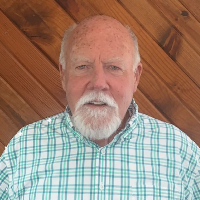
Sarah Williams
LCSW
Missouri - 7 yrs exp




















How adoption therapy works for Missouri residents
If you are dealing with issues connected to adoption, therapy can help you make sense of feelings, build stronger relationships, and find practical strategies for everyday life. Adoption therapy often begins with an initial assessment where a therapist asks about your adoption history, current concerns, family dynamics, and any prior supports you have used. That assessment shapes a personalized plan that may include processing attachment questions, working through identity or loss-related feelings, improving communication within adoptive families, and developing coping tools for transitions such as reunification or openness with birth families. Therapy is a collaborative process, and in Missouri you can expect clinicians to combine therapeutic techniques with knowledge of local services and legal considerations that sometimes affect adoption-related issues.
Finding specialized help for adoption in Missouri
When you start looking for a therapist, consider clinicians who list adoption, attachment, or trauma-informed care among their specialties. Many professionals in urban centers such as Kansas City and Saint Louis have experience working with the full adoption life cycle - from expectant parents and adoption placement to long-term identity and relationship work for adult adoptees. In smaller communities like Springfield, Columbia, and Independence you may find therapists who focus on family systems and parenting after adoption. You can refine your search by reviewing therapist bios to learn about years of experience with adoption, additional training in attachment-focused approaches, and comfort with adoption-related issues like openness agreements, transracial adoption, or late discovery of adoption status.
Credentials and experience to look for
Therapists working with adoption-related issues often hold licenses such as licensed professional counselors, licensed clinical social workers, marriage and family therapists, or psychologists. Look for clinicians who describe specific training in adoption, attachment, trauma, or perinatal mental health if you are seeking help around placement, grief, or early bonding. Credentials and supervision history matter, but so does a therapist's real-world experience with adoption scenarios similar to yours. When you contact a clinician, ask about their typical caseload, whether they have worked with adoptees of your age, and how they approach conversations about identity and loss.
What to expect from online therapy for adoption
Online therapy can expand your access to adoption-specialized clinicians, which is especially useful if local options are limited. When you use an online appointment, sessions usually follow the same clinical framework as in-person work - assessment, goal setting, and ongoing review - but with the convenience of joining from home or another comfortable location. You should confirm technical details ahead of time, like platform requirements and how to handle scheduling. Many therapists offer flexible formats, including single-family sessions, joint work with adoptive parents and children, and individual sessions for adoptees or birth parents. Some clinicians also blend occasional in-person visits with regular virtual sessions when local regulations and practices allow.
Common signs that someone in Missouri might benefit from adoption therapy
You might consider adoption therapy if you notice persistent questions about identity, repeated conflicts over parenting expectations, or difficulty forming or sustaining close relationships that seem linked to adoption history. Children and teens may show changes in behavior, difficulties at school, or struggles with attachment that do not resolve with standard parenting strategies. Adults who were adopted may find themselves grappling with identity questions at transitional moments such as new relationships, parenthood, or career changes. Birth parents sometimes experience ongoing grief or unresolved feelings that benefit from focused support. If adoption-related topics come up in a way that feels heavy, confusing, or disruptive to daily life, therapy can offer a space to explore those themes with guidance.
Tips for choosing the right therapist for this specialty in Missouri
Start by clarifying what you want from therapy - whether it is processing past loss, improving family attachment, addressing behavioral concerns, or navigating reunification efforts. Use that clarity to guide your search for therapists who describe that type of work in their profiles. You may prioritize clinicians with experience in transracial adoption, openness arrangements, or late discovery adoption depending on your needs. When you reach out for an initial conversation, ask about the therapist's approach to adoption issues, how they involve family members when appropriate, and what outcomes they typically focus on. It is reasonable to ask about session length, fees, insurance acceptance, and options for virtual care if travel is a barrier.
Practical considerations specific to Missouri
Access varies depending on where you live in the state. In larger metropolitan areas like Kansas City and Saint Louis you will likely find more clinicians who specialize in adoption and offer evening or weekend appointments. In smaller cities such as Springfield, Columbia, or Independence you may find experienced therapists who balance adoption work with related specialties like parenting or trauma. Consider seeking referrals from local adoption agencies, pediatricians, support groups, or community health centers if you want recommendations grounded in Missouri resources. Checking licensure and discipline is also important when you plan for ongoing therapy, since reimbursement and regulations can affect how services are delivered.
Making the first appointment and what follows
When you schedule an initial visit, prepare a brief history of the adoption timeline, any major transitions, and the specific concerns you want to address. If you are a parent, include information about family dynamics and schooling. If you are an adoptee or a birth parent seeking clarity, think about the goals you hope to achieve through therapy. Early sessions are often an opportunity to build rapport and to define measurable steps you will take together. Over time you and your therapist will evaluate progress and adjust focus as life events unfold - for example, an upcoming reunion, a new school, or an expanding family might shift therapeutic priorities.
Integrating local supports with therapeutic work
Therapy is often most effective when it links to broader community supports. You might combine individual counseling with parenting workshops, support groups for adoptive families, or educational resources provided by local nonprofits and clinics. In Missouri, community organizations and regional support networks can provide practical assistance such as advocacy services, educational materials, and peer connections. Your therapist can help you identify relevant groups and resources in Kansas City, Saint Louis, Springfield, Columbia, or Independence and can coordinate referrals when specialized services are needed, such as psychiatric consultation or school-based supports.
Moving forward with confidence
Seeking adoption-focused therapy is a step toward clearer understanding and healthier relationships. You are likely to find clinicians across Missouri who combine professional training with compassion and practical tools tailored to adoption-related concerns. Take your time to find a therapist who listens to your story, understands the specific challenges you face, and works with you to build skills and supports that fit your life. When you find the right match, therapy can become a steady resource as you navigate the many transitions and milestones that follow an adoption journey.